MC
MandarinClips Cinema Corpus
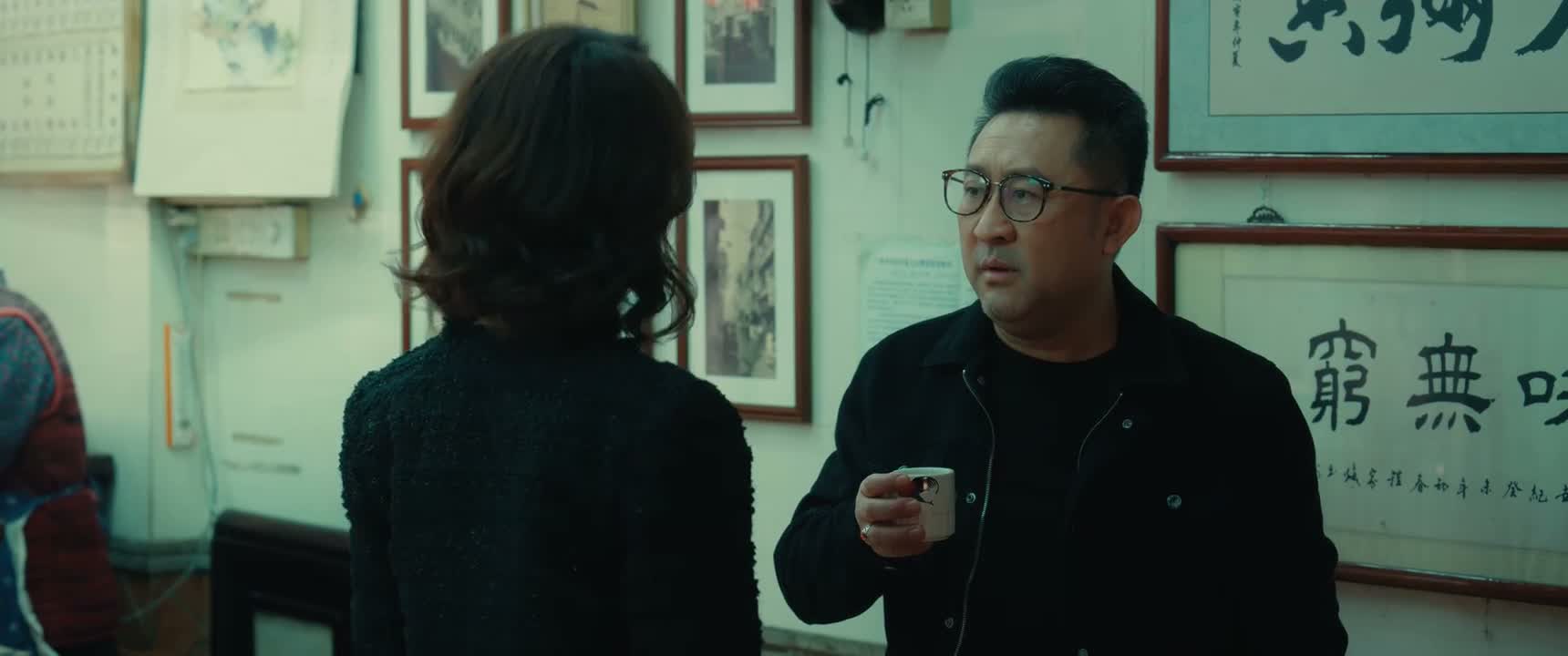
《Unveil: Jadewind》 S1·E17 (46:03) HSK 4
wǒ men bú shì shuō hǎo bù néng suí biàn jiàn miàn ma ?

我们不是说好不能随便见面吗?

“Didn't we agree not to meet like this?”

《Unveil: Jadewind》 S1·E17
TIMECODE: 46:03 · 1080P MASTER AUDIO

THE DIALOGUE REEL

1+1+1 SPOKEN CONTINUITY
[-1] PREVIOUS TURN shì nǐ gàn de duì bú duì ?

是你干的 对不对?

“You did it, didn't you?”

wǒ men bú shì shuō hǎo bù néng suí biàn jiàn miàn ma ? CURRENT FOCUS

我们 不是说好 不能随便 见面 吗 ?

“Didn't we agree not to meet like this?”

[+1] FOLLOW-UP TURN zhè tài mào xiǎn le nǐ kuài huí qù wèi shén me shā tā ?

这太冒险了 你快回去 为什么杀她?

“It's too risky. You need to go back. Why did you kill her?”

Subtitles synced to millisecond timecode Browse Show Clips →
Scene: Crisis & Conflict
Function: REPROACHING
Tone: REPROACHFUL
Emotion: ANXIETY
WHAT THEY REALLY MEAN (PRAGMATIC SUBTEXT)
“You are putting both of us in immense danger by showing up here.”
💡 Cultural Insight: Rhetorical Questioning as Accusation

Starting a sentence with '不是说好...吗' is a standard indirect method in Chinese to express annoyance when a mutual promise has been violated.

INTENT TAGS: #reproach #blame #anxiety #warning
🧩

LEARNING CHUNKS & PARTICLES

2 CHUNKS · 1 PARTICLES
说好 SPOKEN CHUNK

to agree upon / to make a pact

Commonly used in spoken Chinese to hold someone accountable to an explicit verbal agreement.

随便 SPOKEN CHUNK

casually / carelessly

Here functioning as an adverb indicating doing something without due caution or authorization.

Modal Particle「吗」 (ma) CHANGE OF STATE

Forms a rhetorical question that intensifies the reproach rather than seeking factual verification.
🏮

VOCABULARY & EXPRESSIONS

3 EXPR · 4 GRAMMAR
CROSS-CINEMA CORPUS BOARD · PARALLEL SCENES

Parallel Spoken Cinema Scenes (语义近邻切片)

EXPLORE BY SEMANTIC SIMILARITY
《Unveil: Jadewind》 S1·E17 (46:03) · Authentic Cinema Dialogue Corpus