不能随便
bù néng suí biànCommon spoken expression used by native Chinese speakers in daily life.
[Scene: 其他场景]
(3 clips) 00:02
 00:02
 00:02
(这个酒吧绝对是有问题的 你给我搜查令) ── Previous context
“Without evidence, you can't just raid a place.”
[Scene: 其他场景]
(2 clips) 00:02
 00:03
(在火车上 你的包 是不小心撒的) ── Previous context
“I don't go through people's things. I have basic manners.”
[Scene: 家庭日常]
(2 clips) 00:02
 00:03
(七祖母 这是我今日才交的新朋友) ── Previous context
“Zhen, you can't just bring strangers home.”
[Scene: 其他场景]
(1 clips)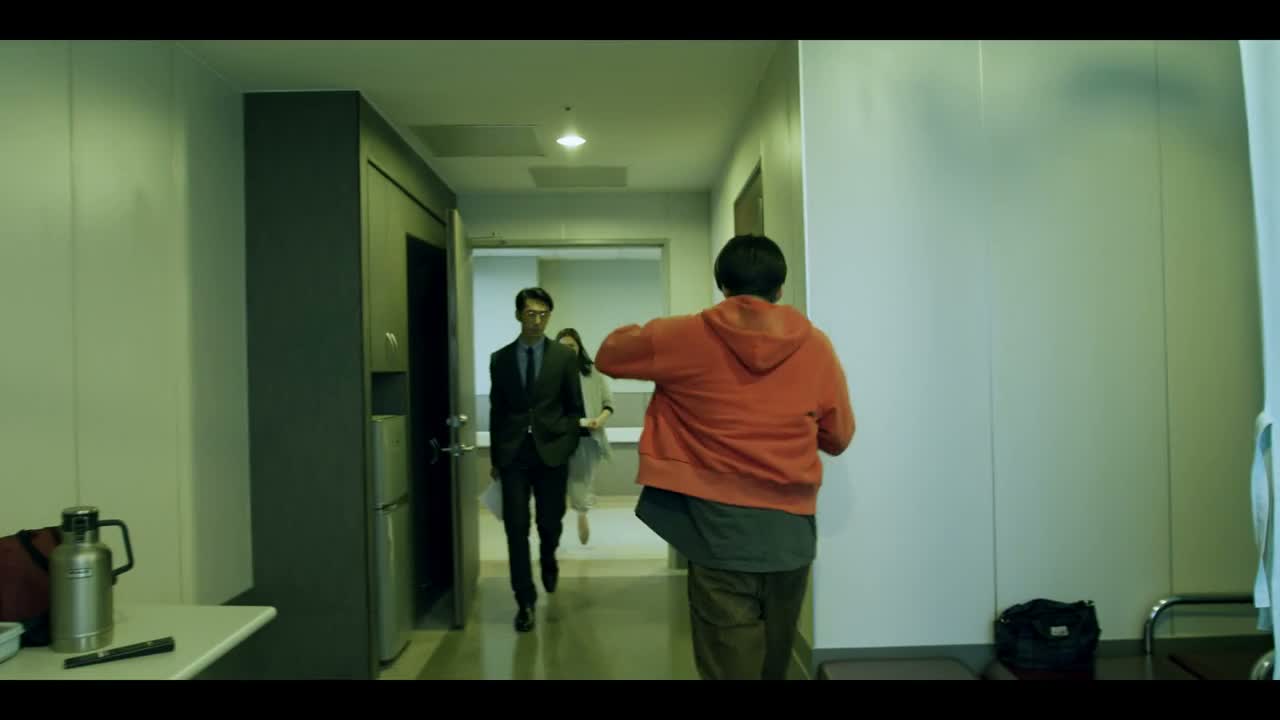 00:02
(警官 你等一下) ── Previous context
“[mother] You can't just barge in! Mrs. Wei, I'll see you later.”
[Scene: 警匪刑侦]
(1 clips) 00:03
(经典款连衣裙的销售记录?) ── Previous context
“I'm sorry. Those are internal documents. We can't just show them.”
[Scene: 社交聚会]
(1 clips) 00:03
(这样的环境 不适合她) ── Previous context
“I forgot. O-Our Teresa is the same. She can't come unless she's paid.”
[Scene: 职场工作]
(1 clips) 00:03
(你看这很多东西 这都没有拉走) ── Previous context
“Those lights belong to them. We can't just take them down”
📌 放心
→Nuance: 口语化委婉提示相同规定
📌 不好意思
→Nuance: 同样阻止进入,表达更委婉客气
📌 不许
→Nuance: 同向近义词根配对: [不能 ↔ 不许]
📌 好意思
→Nuance: 同样阻止进入,表达更委婉客气
📌 人家
→Nuance: 同向近义词根配对: [别人 ↔ 人家]
⚡ 外人
→Contrast: 极性反义对撞: [能 ↔ 不能]
⚡ 乱说
→Contrast: 极性反义对撞: [不能 ↔ 可以]
⚡ 怎么了
→Contrast: 主权态度截然相反
⚡ 干什么
→Contrast: 主权态度截然相反
⚡ 不是
→Contrast: 极性反义对撞: [不能 ↔ 可以]