你也是因为着急才发火的 换我我也生气
“You only snapped because you were stressed. - If it were me, I'd be angry too. - Thanks for understanding.”
THE DIALOGUE REEL
能理解
“I understand.”
你 也是 因为 着急 才 发火 的 换我我也生气
“You only snapped because you were stressed. - If it were me, I'd be angry too. - Thanks for understanding.”
理解万岁
“- If it were me, I'd be angry too. - Thanks for understanding.”
Direct spoken expression in this communicative setting.
In Chinese interpersonal communication, attributing someone's anger to urgent external circumstances rather than poor character helps preserve their face (mianzi) and relieves guilt.
LEARNING CHUNKS & PARTICLES
lose one's temper out of anxiety/urgency
A common structure to excuse someone's bad temper by attributing it to situational stress rather than malice.
if it were me, I would also...
An essential spoken formula used to show deep empathy by putting oneself into the other person's shoes.
Emphasizes the explanatory nature of the clause, reinforcing that the reason given is an objective certainty.
VOCABULARY & EXPRESSIONS
Parallel Spoken Cinema Scenes (语义近邻切片)

“I was just anxious to share your burden.”
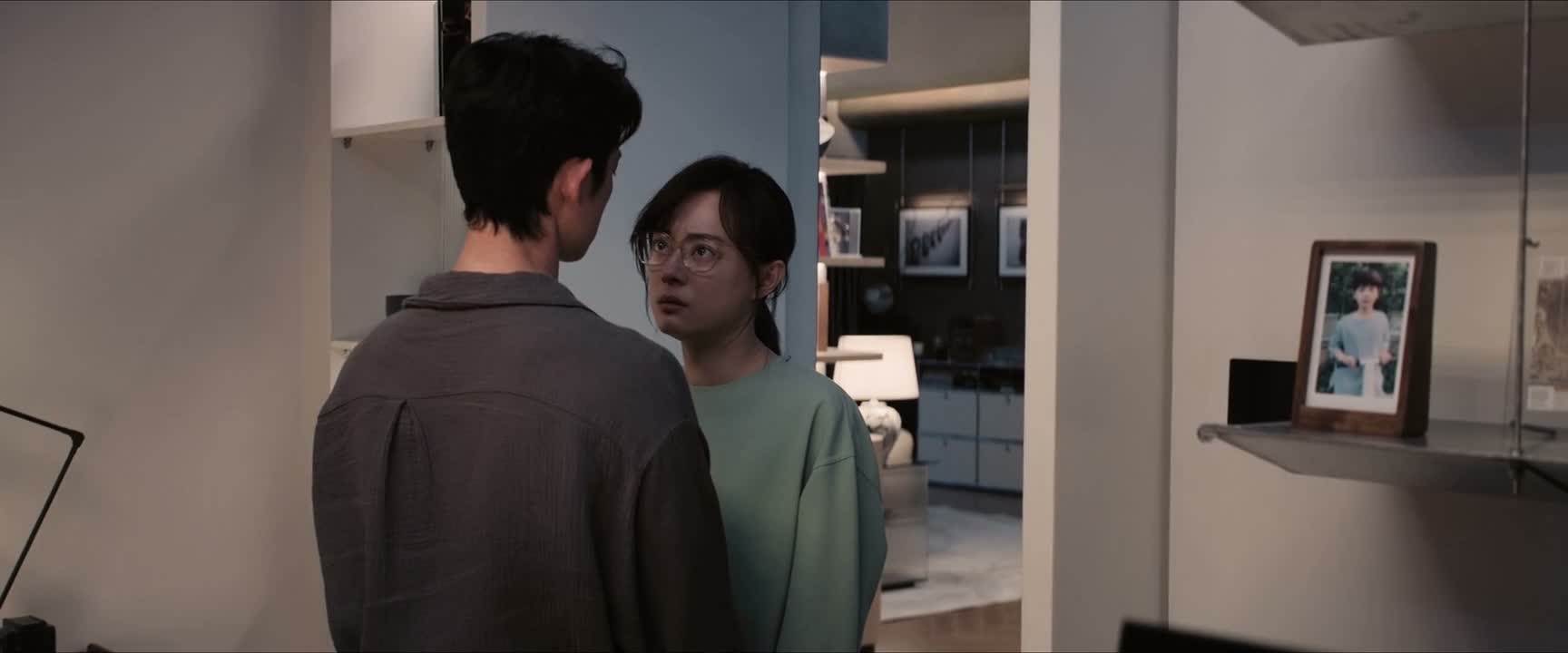
“I shouldn't have lost my temper with you. I'm sorry.”

“but you suddenly lost your temper.”

“Are you that angry?”

“That's why I got so angry and pushed you.”

“I didn't mean to. I was just so angry.”