我不该对你发脾气的 对不起
“I shouldn't have lost my temper with you. I'm sorry.”
THE DIALOGUE REEL
老公
“Honey.”
我 不该 对你 发脾气 的 对不起
“I shouldn't have lost my temper with you. I'm sorry.”
没事
“It's okay.”
Direct spoken expression in this communicative setting.
While older generations often express apologies indirectly through actions, younger Chinese urbanites increasingly use explicit apologies like '对不起' to repair marital intimacy.
LEARNING CHUNKS & PARTICLES
should not have
Used to acknowledge past mistakes and admit fault directly.
lose one's temper
A very standard idiom for expressing anger or throwing a fit at someone.
I'm sorry
The standard explicit apology formula in Chinese.
Placed at the end of the clause to reinforce the speaker's conviction and sincerity.
VOCABULARY & EXPRESSIONS
Parallel Spoken Cinema Scenes (语义近邻切片)

“I shouldn't have snapped at you,”
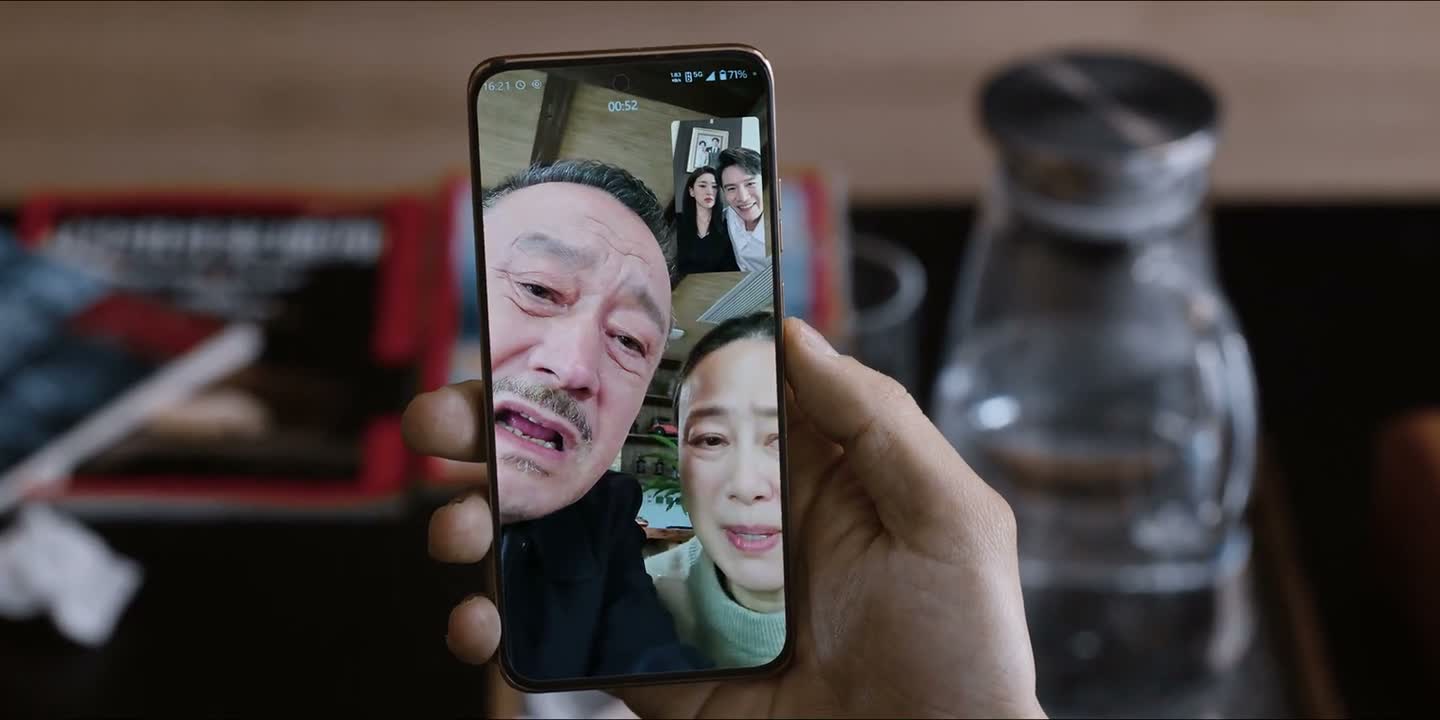
“Don't throw temper tantrums, alright?”

“You don't need to be angry. It's not your fault.”

“Why don't you get angry? Do you have no temper?”

“Don't be annoyed with me if I tell you.”
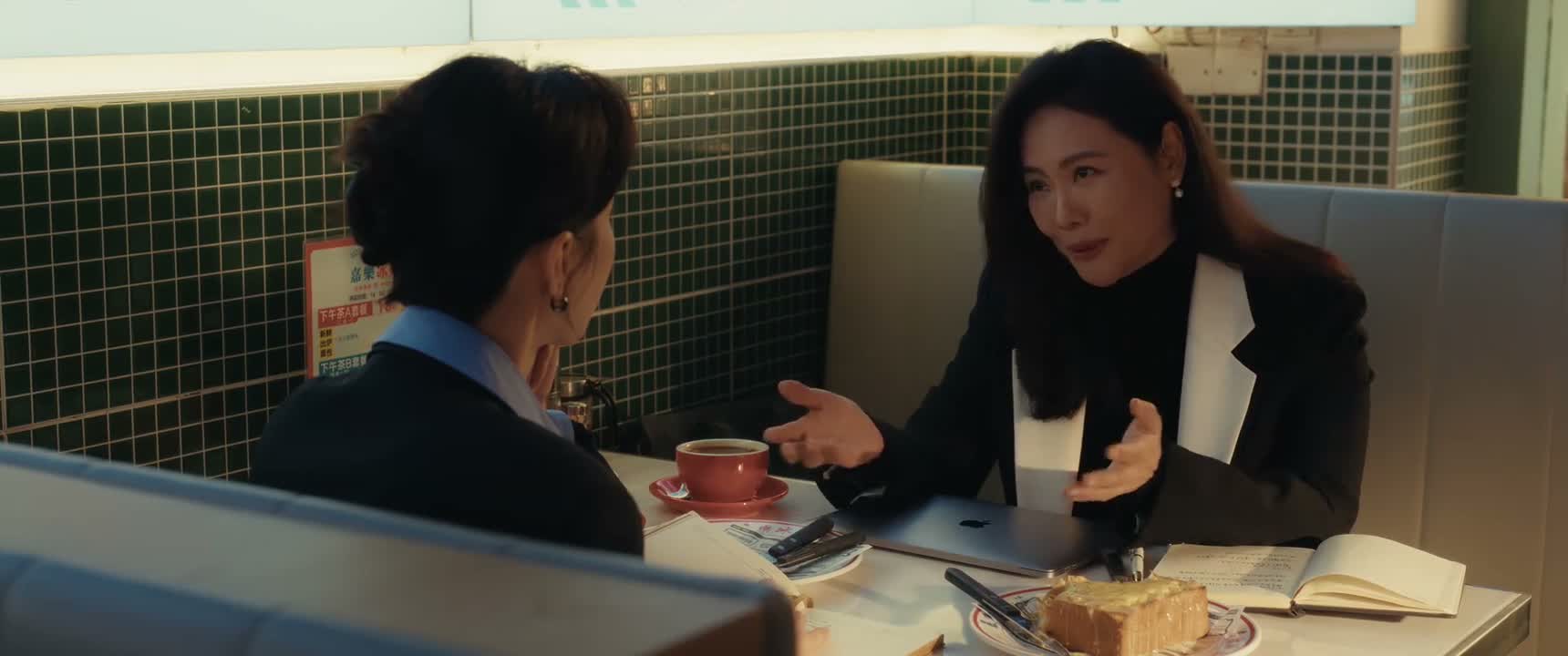
“Of course I lose my temper.”