你怎么不发脾气
“Why don't you get angry? Do you have no temper?”
THE DIALOGUE REEL
“Then don't. We'll change it back tomorrow.”
你怎么不 发脾气
“Why don't you get angry? Do you have no temper?”
你没有脾气吗
“Why don't you get angry? Do you have no temper?”
“Don't just swallow your anger and accommodate everyone; show some backbone!”
While Chinese cultural norms emphasize forbearance and swallowing grievances to preserve harmony, close family members often view extreme passivity as weakness or self-erasure.
LEARNING CHUNKS & PARTICLES
to lose one's temper
Standard idiomatic phrase for expressing anger or throwing a fit.
why don't you...
Used to challenge someone's inaction or failure to react as expected.
VOCABULARY & EXPRESSIONS
Parallel Spoken Cinema Scenes (语义近邻切片)

“Of course I lose my temper.”
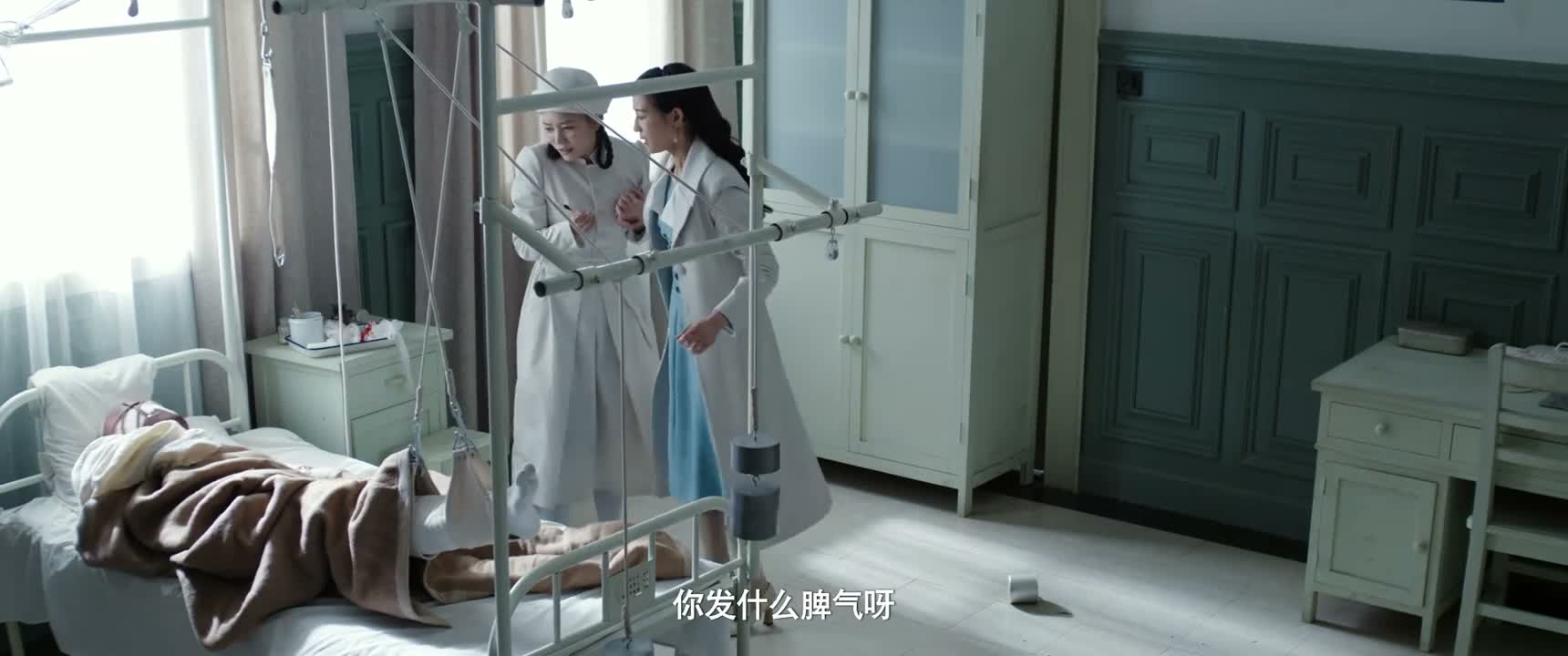
“Why are you losing your temper?”

“I'm just losing my temper, aren't I?”

“Why did you throw a temper tantrum again? No, I didn't.”

“I shouldn't have snapped at you,”

“Why are you losing your temper like this?”