MC
MandarinClips Cinema Corpus
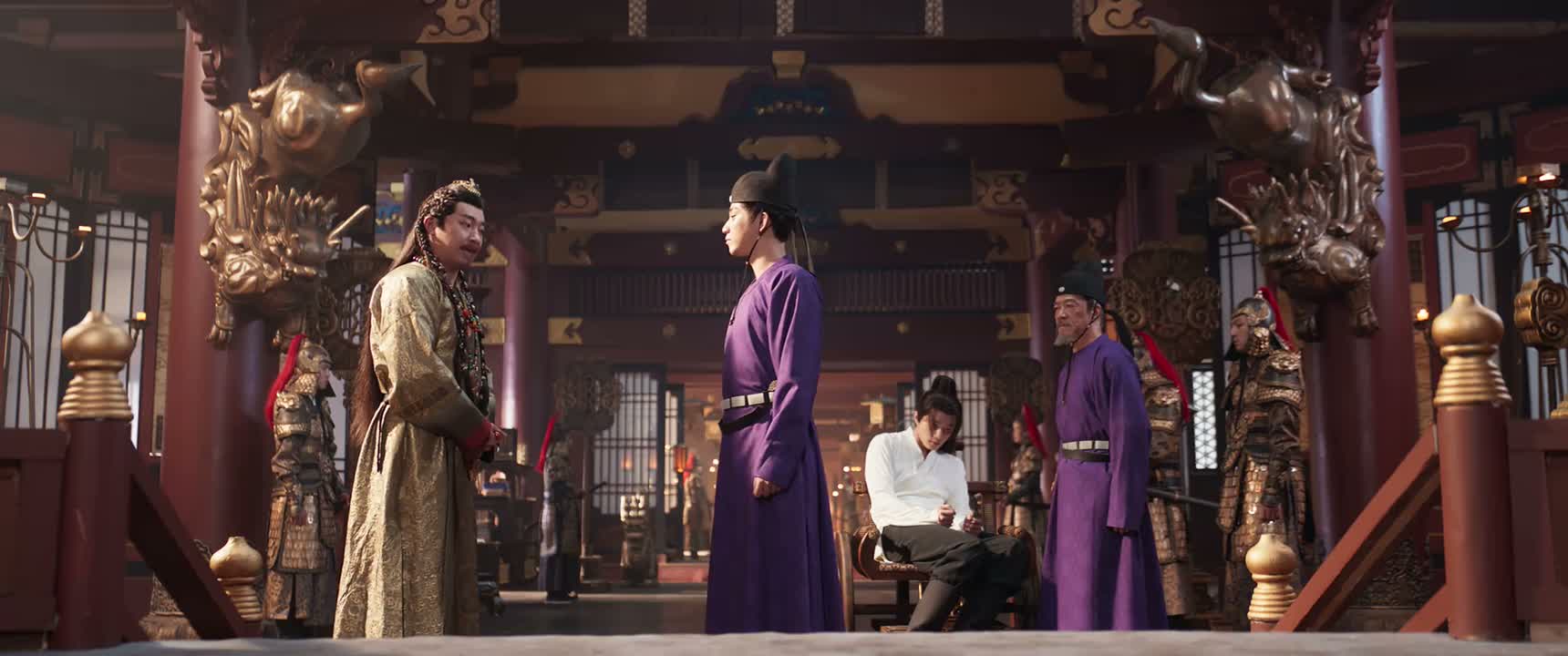
《The Imperial Coroner》 S2·E28 (03:02) HSK 7
nǐ dān dé qǐ zhè qiān gǔ zuì míng ma

你担得起这千古罪名吗

“can you bear this grave crime?”

《The Imperial Coroner》 S2·E28
TIMECODE: 03:02 · 1080P MASTER AUDIO

THE DIALOGUE REEL

1+1+1 SPOKEN CONTINUITY
[-1] PREVIOUS TURN ruò yīn nǐ zhì liǎng bāng jiāo wù

“If the relationship between the two states is ruined by you,”

nǐ dān dé qǐ zhè qiān gǔ zuì míng ma CURRENT FOCUS

你 担得起 这千古罪名吗

“can you bear this grave crime?”

[+1] FOLLOW-UP TURN jiù suàn běn wáng zǐ bù gēn nǐ jì jiào

“Even if I don't punish you,”

Subtitles synced to millisecond timecode Browse Show Clips →
Scene: Historical & Court
Function: CONDEMNING AND ACCUSING
Tone: ACCUSING AND CONFRONTATIONAL
Emotion: INDIGNATION
WHAT THEY REALLY MEAN (PRAGMATIC SUBTEXT)
“Back off now, because you cannot afford the devastating political fallout of this war.”
💡 Cultural Insight: Historical Legacy and Eternal Infamy

In traditional Chinese culture, one's historical reputation (留名青史 vs. 遗臭万年) is considered paramount, making 'eternal infamy' (千古罪名) an extremely heavy moral indictment.

INTENT TAGS: #accusing #challenging #pressuring #guilt_tripping
🧩

LEARNING CHUNKS & PARTICLES

2 CHUNKS · 1 PARTICLES
担得起 SPOKEN CHUNK

can afford to bear; able to take responsibility for

Commonly used in rhetorical questions to emphasize that a burden or consequence is far too heavy for the person to bear.

千古罪名 SPOKEN CHUNK

eternal infamy; lasting historical guilt

Used to describe a grave, unforgivable mistake that will be condemned for generations.

Modal Particle「吗」 (ma) CHANGE OF STATE

Turns the statement into a piercing rhetorical question to convey skepticism and moral rebuke.
🏮

VOCABULARY & EXPRESSIONS

1 EXPR · 3 GRAMMAR
COLLOQUIAL EXPRESSIONS:
CROSS-CINEMA CORPUS BOARD · PARALLEL SCENES

Parallel Spoken Cinema Scenes (语义近邻切片)

EXPLORE BY SEMANTIC SIMILARITY
《The Imperial Coroner》 S2·E28 (03:02) · Authentic Cinema Dialogue Corpus