左右不过是哀叹自己的身世罢了
“I'm merely lamenting my own fate.”
THE DIALOGUE REEL
“what right do I have to be angry with Your Highness?”
左右不过是 哀叹 自己的 身世 罢了
“I'm merely lamenting my own fate.”
王爷 你看这花房里的花
“Your Highness, look at the flowers in this flower house.”
“I am upset with you, but my lower rank prevents me from openly holding a grudge.”
In hierarchical court societies, subordinates could not display anger toward royals directly, so grievance had to be framed as humble self-commiseration.
LEARNING CHUNKS & PARTICLES
at most / nothing more than
Used to downplay the significance or severity of a situation, often with a hint of resignation.
lamenting one's unfortunate background or fate
A literary expression common in historical contexts when expressing sorrow over powerless circumstances.
Softens the assertion while emphasizing that the matter is negligible or merely limited to what was stated.
VOCABULARY & EXPRESSIONS
Parallel Spoken Cinema Scenes (语义近邻切片)

“Your miserable past?”

“I didn't know your past was so rough.”
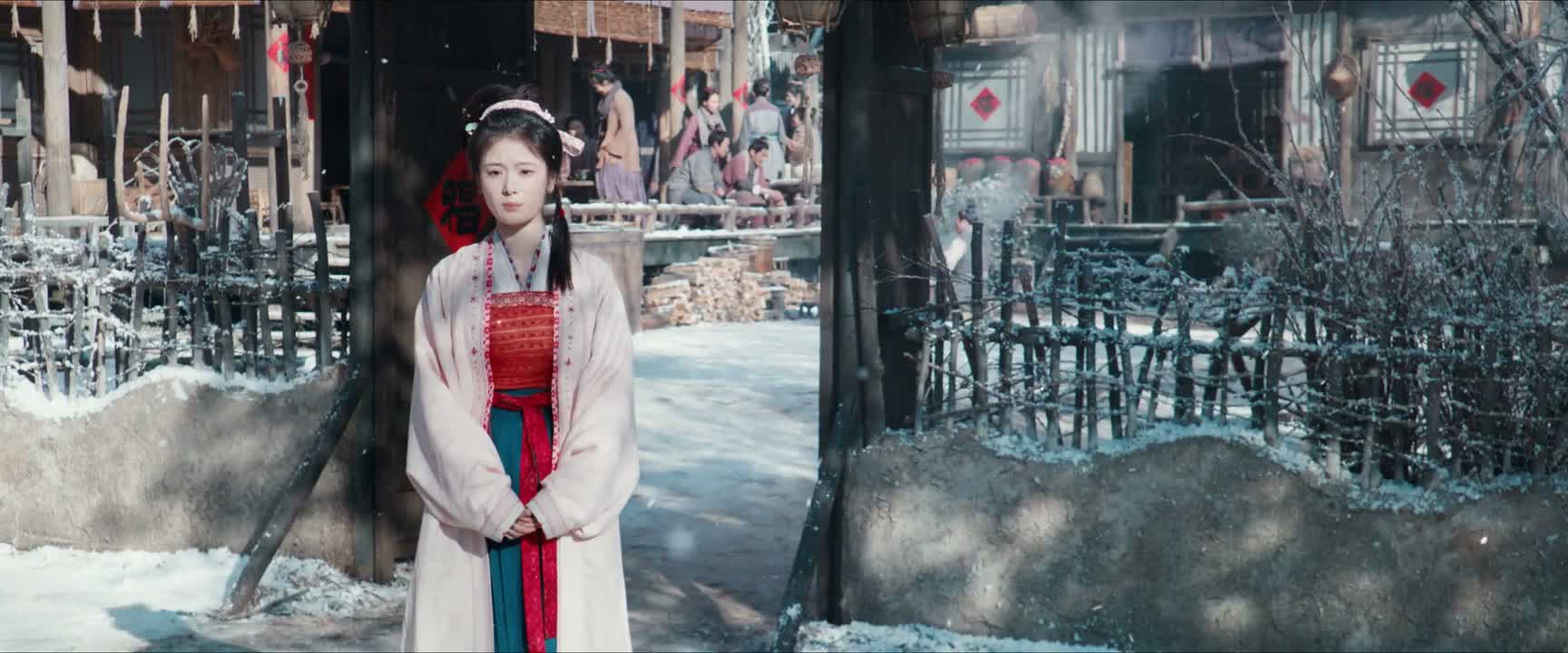
“she has a hard life.”
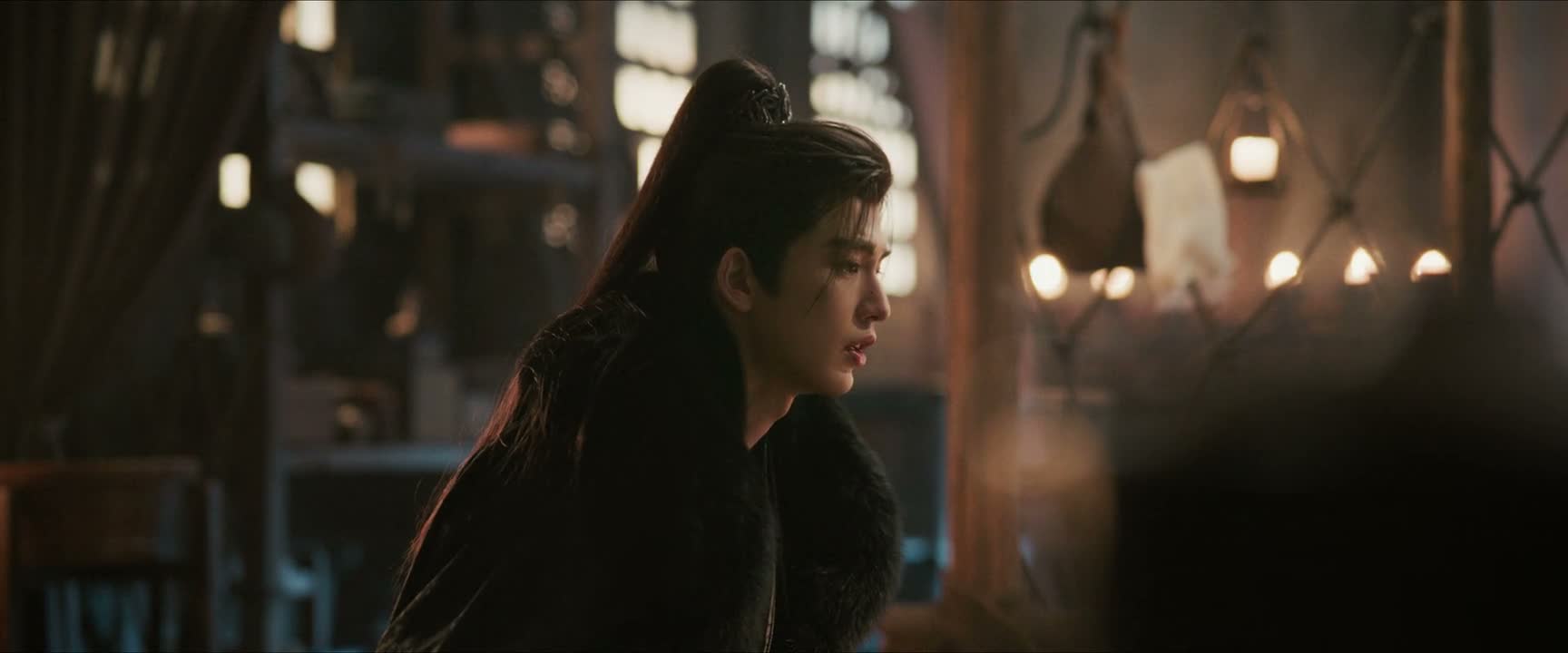
“to use them as an excuse”

“I thought my life was miserable.”

“He probably has some unspoken pain.”