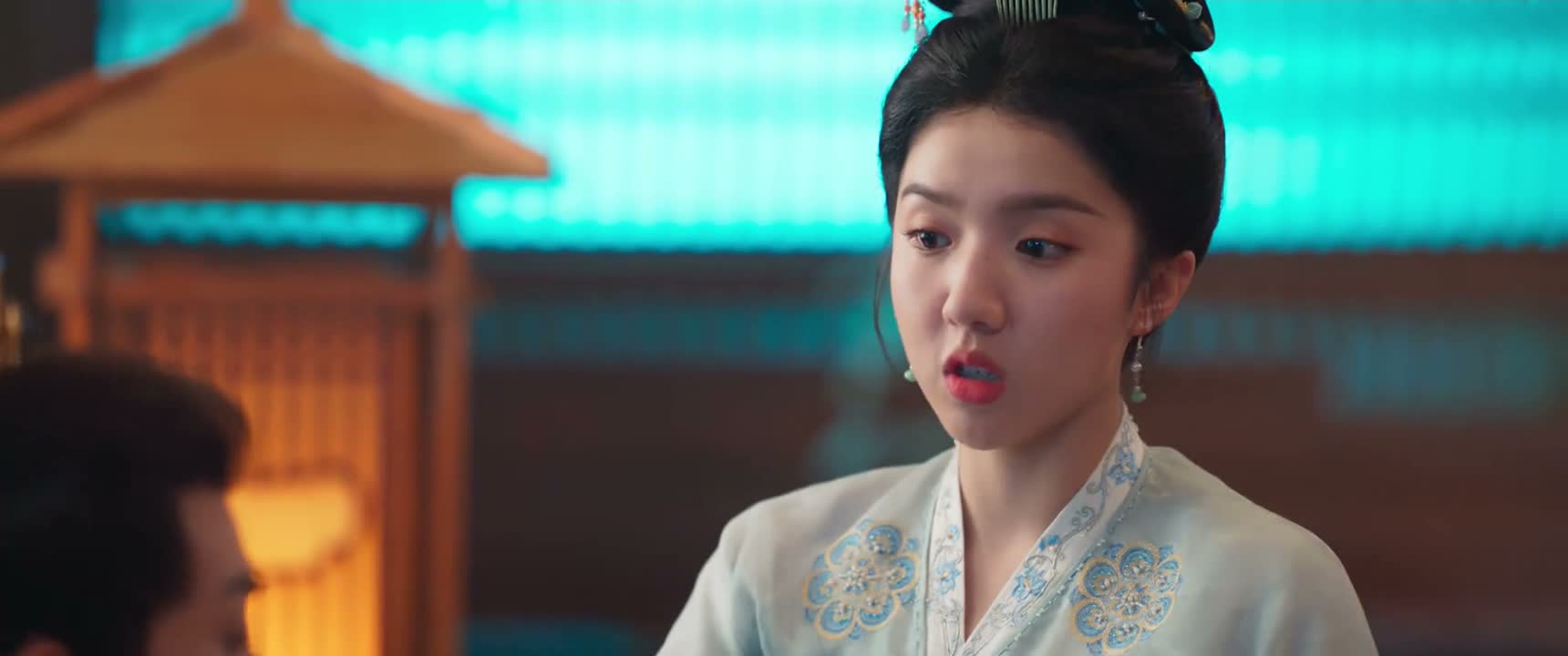
又有什么立场生王爷的气啊
“what right do I have to be angry with Your Highness?”
THE DIALOGUE REEL
永儿作为一介宫妃
“As a mere palace consort,”
又 有什么立场 生王爷 的 气啊
“what right do I have to be angry with Your Highness?”
“I'm merely lamenting my own fate.”
“I am deeply hurt by you, but my inferior status prevents me from even daring to complain openly.”
In hierarchical imperial dynamics, lower-ranking individuals could not openly display anger toward superiors, forcing them to disguise grievances as lamentations of their low status.
LEARNING CHUNKS & PARTICLES
what right/standing does one have
Used rhetorically to emphasize that someone lacks the moral or social authority to judge, object, or show emotion.
to be angry at someone
The standard split verb construction used to indicate emotional frustration or anger directed toward a specific person.
Enhances the rhetorical nature of the question, underscoring deep lamentation and helplessness.
VOCABULARY & EXPRESSIONS
Parallel Spoken Cinema Scenes (语义近邻切片)

“His Highness is in a fit of anger.”
“What's been troubling you so much?”

“Commandery Prince An carries a heavy responsibility at court.”

“so who would want to harm His Lordship?”

“It's by His Highness's order.”

“and ease the pressure on His Highness.”