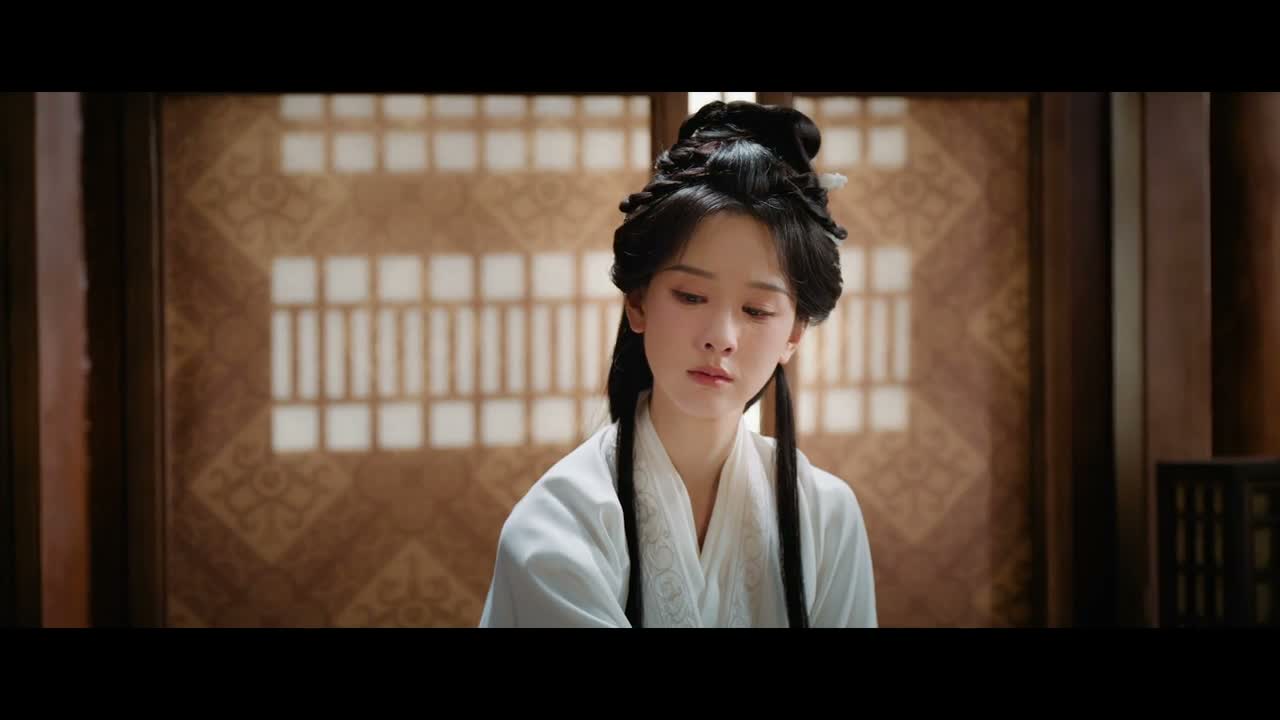
我可曾向阿爹你哭诉、抱怨过一句?
“Have I ever cried or complained to you?”
THE DIALOGUE REEL
别的女娘有双亲照护 而我呢? 无人看顾的泥猴
“other girls have had parents around. What about me? I've always been neglected.”
我 可曾 向阿爹你哭诉、 抱怨 过一句?
“Have I ever cried or complained to you?”
我不敢向你索求哪怕一点点的关心 因为你太忙了
“I've never dared to ask you for a little concern because you've always been busy.”
“I suffered in silence so as not to burden you, but you never noticed how much pain I was in.”
Children in traditional patriarchal families often suppress personal grievances to avoid burdening parents, leading to intense emotional eruptions when repressed pain surfaces.
LEARNING CHUNKS & PARTICLES
ever / have (one) ever
A somewhat literary adverb used in rhetorical questions to emphasize whether something has ever occurred.
to complain tearfully / to weep and lament
Combines weeping and verbal venting, describing intense emotional outpourings of grievances.
VOCABULARY & EXPRESSIONS
Parallel Spoken Cinema Scenes (语义近邻切片)

“I've never blamed you.”

“What nonsense are you talking about?”
“But he's just an ordinary man.”

“My father said you are my mother. Are you?”

“I remember my father, just like this, would gently pat her shoulder.”

“Don't say that, Father. I'm sorry for what I did to you.”