老师啊 为什么点一些 我们都不喜欢吃的菜啊
“Mr. Li, why did you order food we don't like?”
THE DIALOGUE REEL
他人呢
“Where is he?”
老师 啊 为什么点 一些 我们 都不喜欢 吃 的 菜 啊
“Mr. Li, why did you order food we don't like?”
好吃吧 你尝尝
“Tasty, right? Try it.”
Direct spoken expression in this communicative setting.
In Chinese culture, senior figures or hosts usually control ordering; juniors speaking up against dish choices indicates either high familiarity or playful candidness.
LEARNING CHUNKS & PARTICLES
why order
Common phrasing used in dining situations to question someone's choice of menu items.
none of us like; completely dislike
A total negation used to emphasize collective dislike.
Softens the direct complaint and adds a whiny, familiar, or exasperated tone.
VOCABULARY & EXPRESSIONS
Parallel Spoken Cinema Scenes (语义近邻切片)
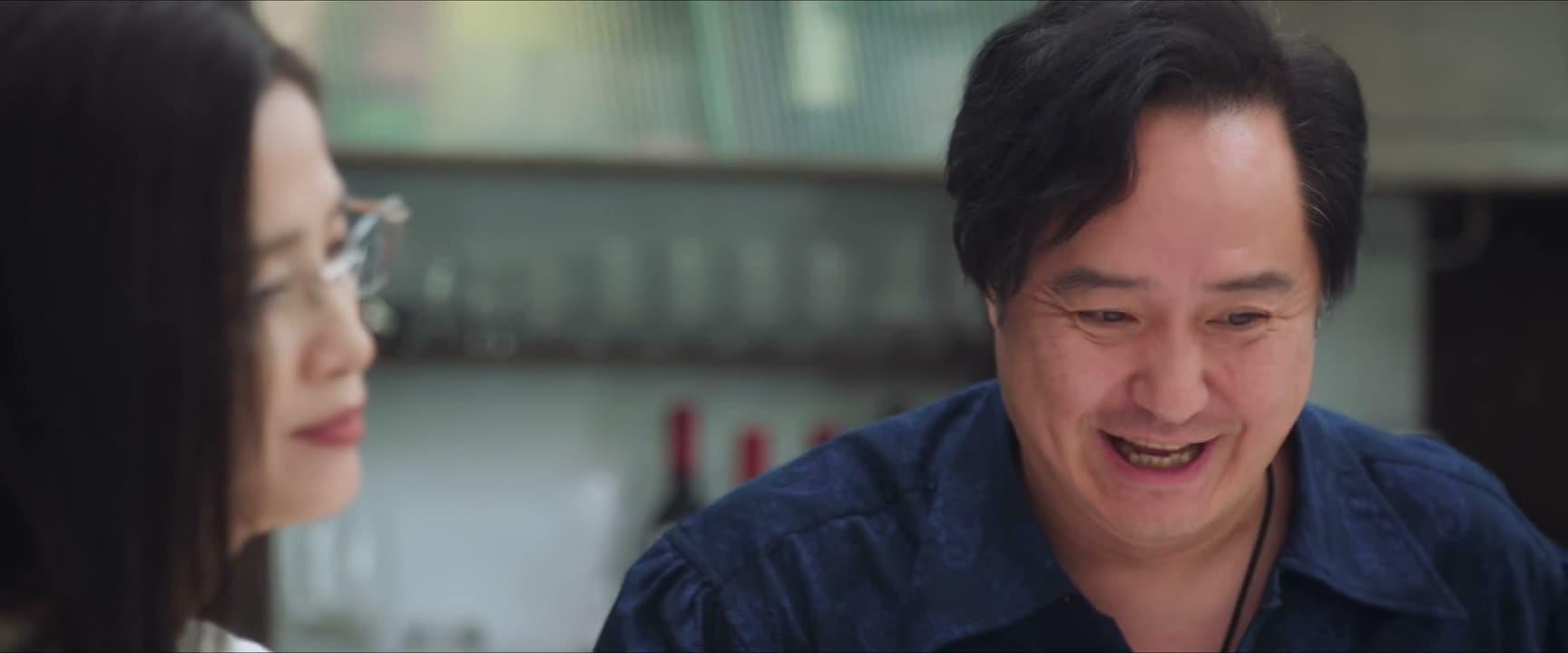
“If you don't like it, let's switch to another dish. Let's switch to another dish.”

“Order whatever you like. -Yes. -Okay. Make yourself at home.”
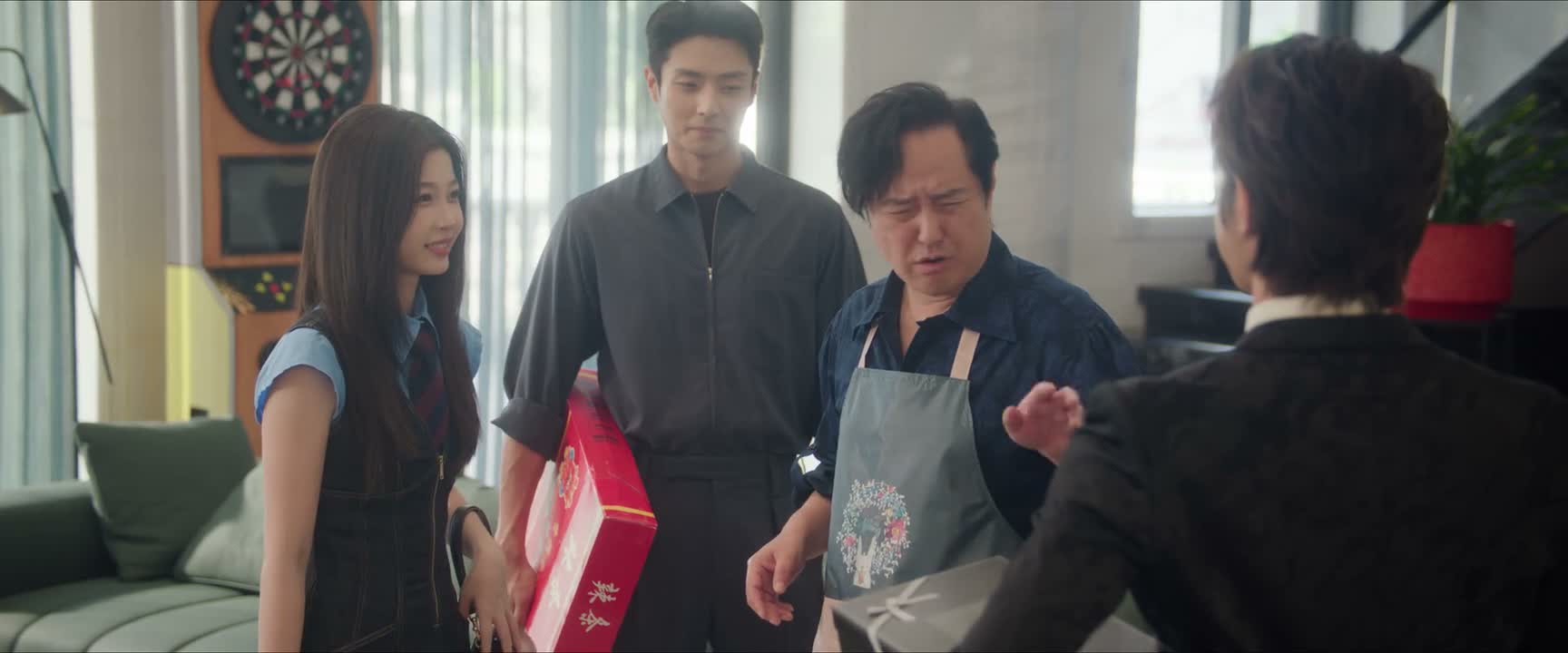
“No, no. I don't eat junk like that.”
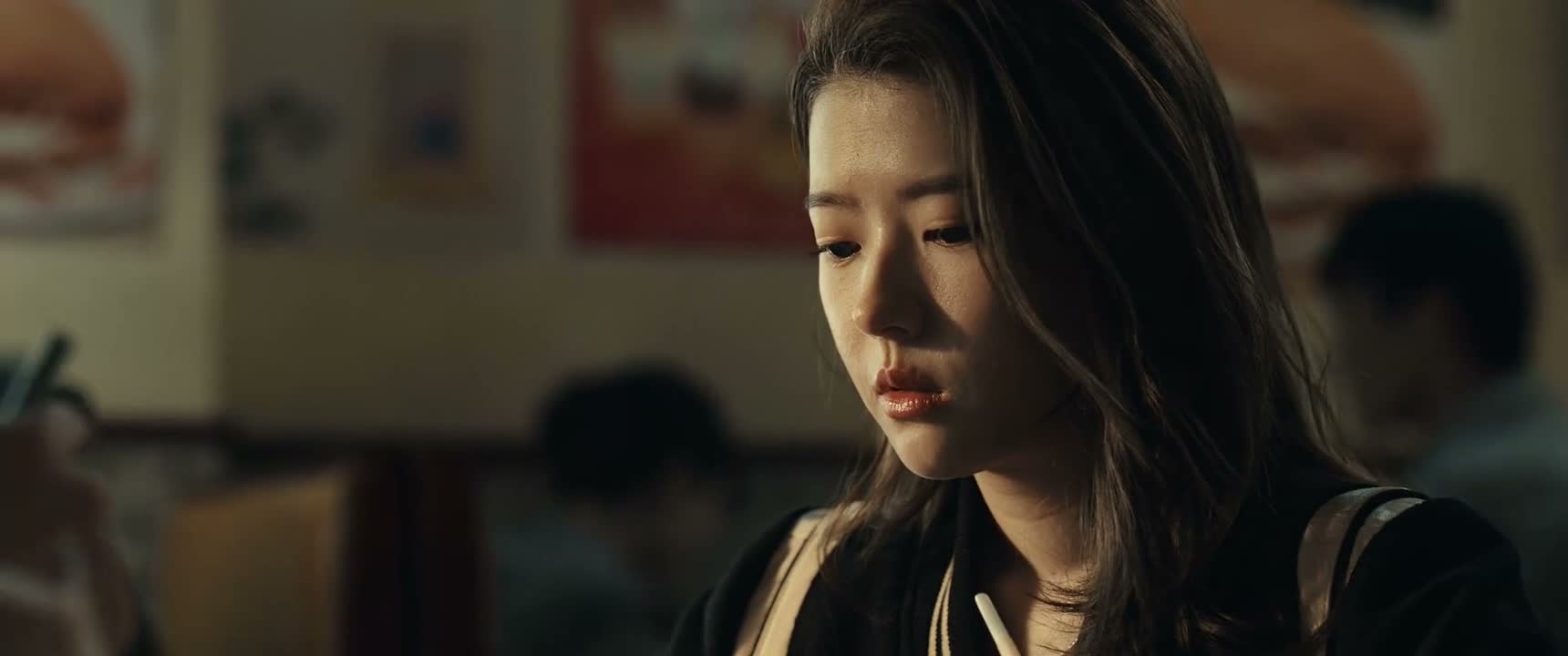
“Is it not to your taste? - I can order something else... - No.”

“You've always loved the food there, right?”

“Well, our food is still better. How about we go to my friend's restaurant”