咋还跟人打架呢 多大岁数了 不知道啊
“Why did you get into a fight? At your age? You should know better.”
THE DIALOGUE REEL
他咋了
“What happened to him?”
咋还 跟人 打架 呢 多大岁数了 不知道啊
“Why did you get into a fight? At your age? You should know better.”
伤着没
“Are you hurt?”
“You are far too old to be brawling like a child; you are worrying me sick.”
In Chinese culture, maturity is closely tied to emotional restraint; physical brawling by grown adults is heavily frowned upon as bringing shame to oneself and family.
LEARNING CHUNKS & PARTICLES
to get into a fight with someone
A common colloquial phrase used to describe physical brawls or altercations.
how old are you / at your age
Rhetorical complaint criticizing an adult for behaving childishly or inappropriately for their age.
Softens the rhetorical question while emphasizing lingering bewilderment or mild reproach.
Adds emotional intensity and exasperation to the rhetorical inquiry.
VOCABULARY & EXPRESSIONS
Parallel Spoken Cinema Scenes (语义近邻切片)
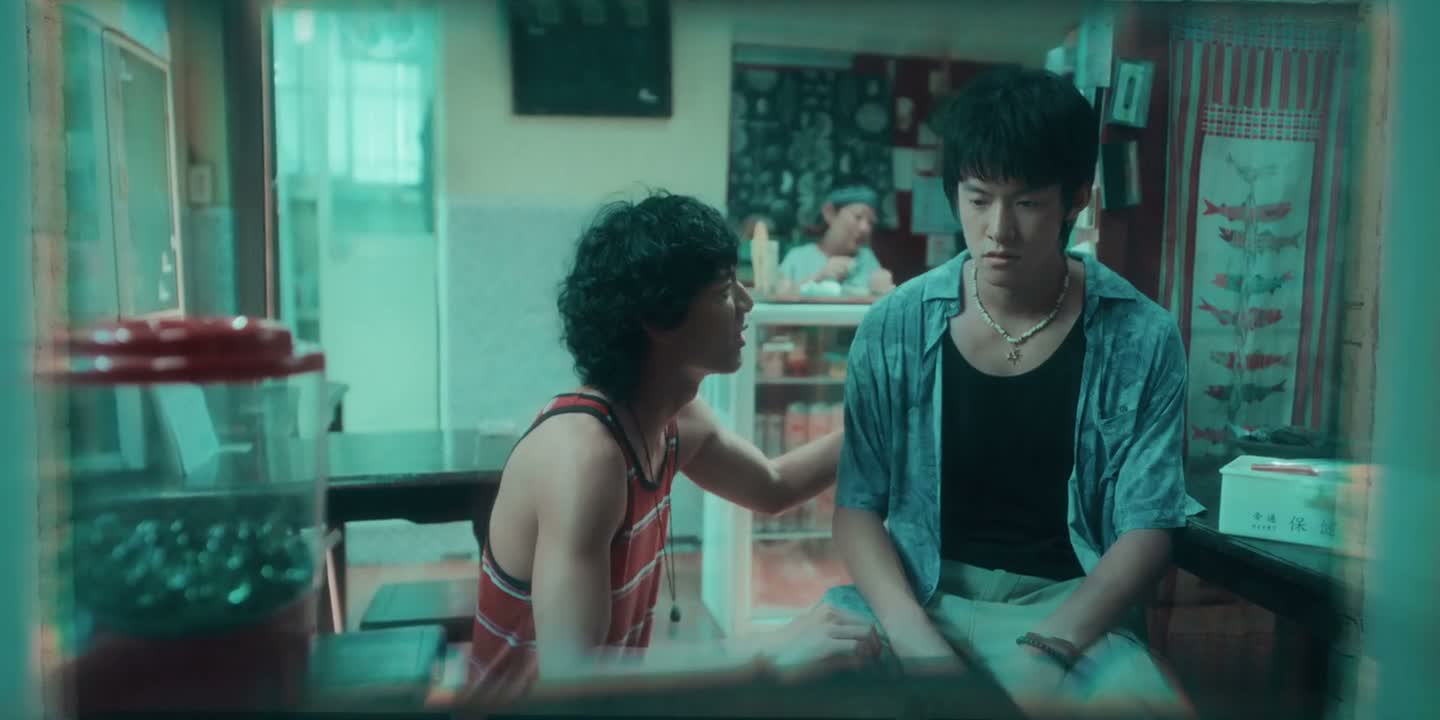
“Why did you get into a fight?”

“What are you doing? Don't fight! Why are you fighting?”

“Did you get into a fight again?”