你不想知道 你妹妹在哪儿下的船吗
“Don't you want to know where your sister got off the ship?”
THE DIALOGUE REEL
所以 你是姐姐 白玉
“So... You're the older sister, Bai Yu?”
你 不想知道 你妹 妹 在哪儿 下的船吗
“Don't you want to know where your sister got off the ship?”
你想做什么
“What do you want?”
“I hold your sister's fate in my hands, so you had better do what I say.”
In Chinese narrative and conflict dynamics, kinship bonds are viewed as deeply vulnerable pressure points frequently targeted by opponents for leverage.
LEARNING CHUNKS & PARTICLES
don't you want to know...?
A rhetorical negative question structure commonly used to tease or withhold valuable information.
get off the boat; disembark
A standard verb-object compound indicating disembarking from a water vessel.
Marks a rhetorical yes-no question that taunts the listener into engaging.
VOCABULARY & EXPRESSIONS
Parallel Spoken Cinema Scenes (语义近邻切片)

“Do you want to abandon me and your sister?”
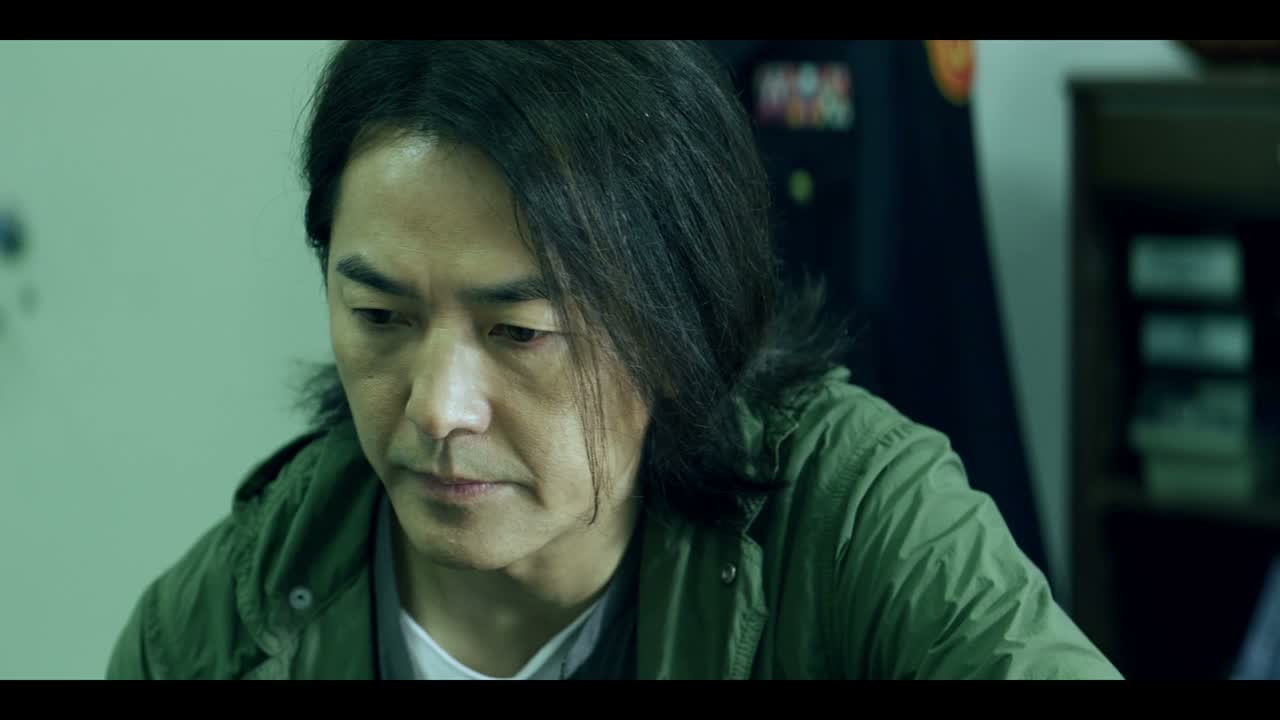
“Don't you wanna know what youngsters are thinking nowadays?”

“But don't you want to know what she came to see me for?”
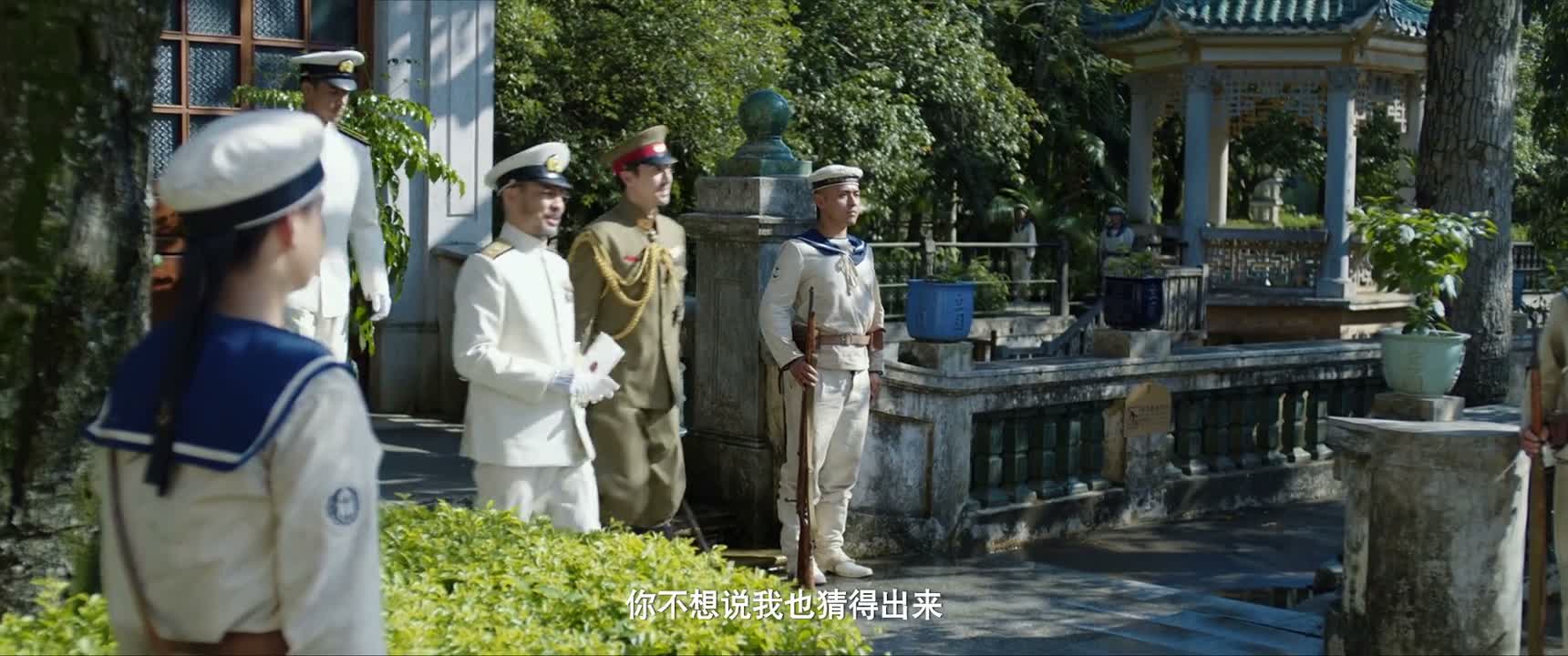
“Even if you don't wish to say, I can guess.”

“are you abandoning me and your sister?”
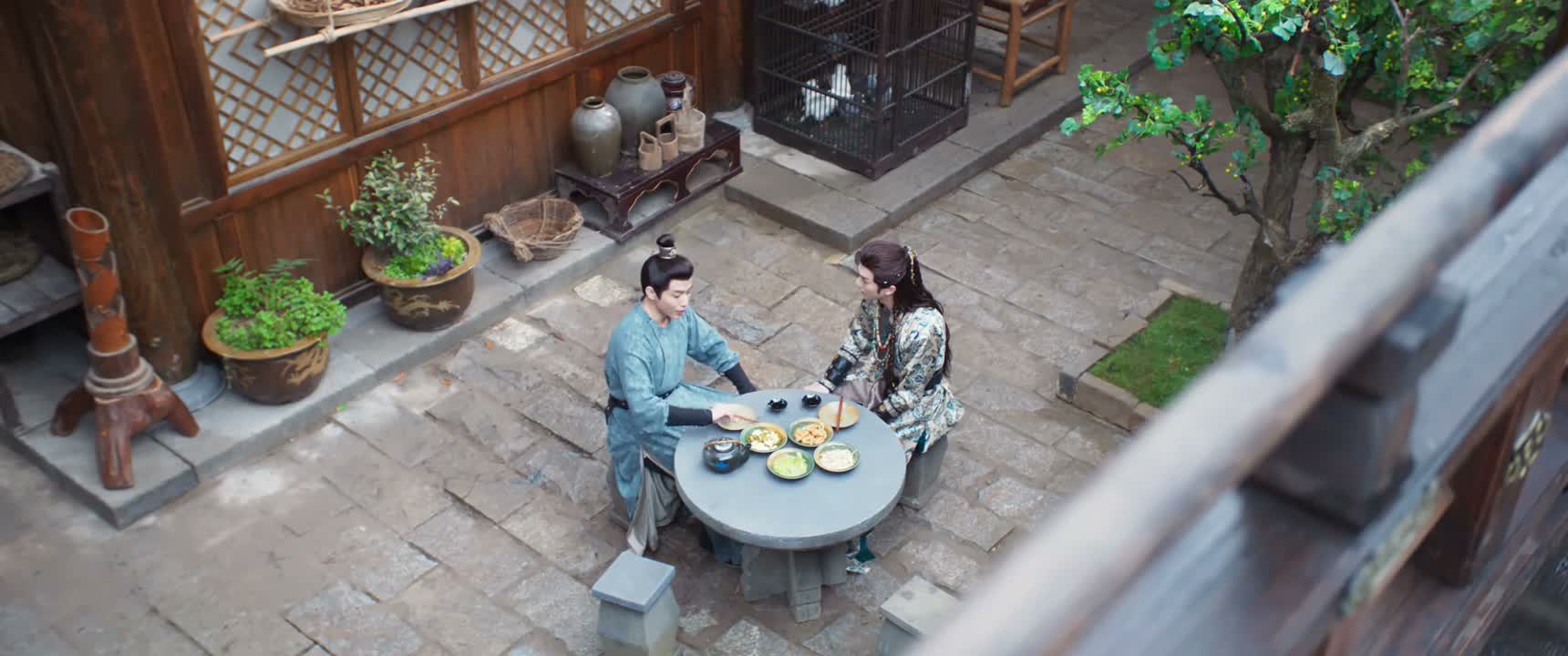
“I could never quite stop worrying about my sister.”