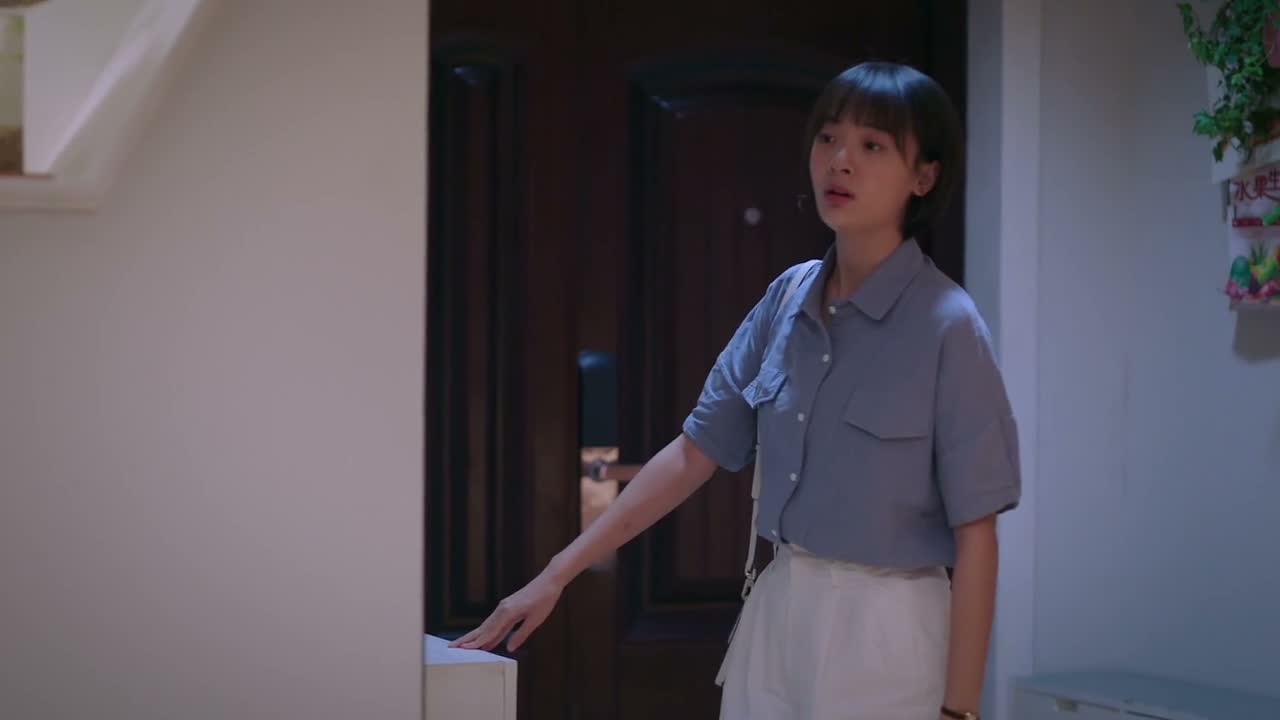
那不用了 楼下流浪狗还饿着呢
“(No need.) (The stray dogs downstairs are hungry.)”
THE DIALOGUE REEL
可以勉为其难地回来帮你 解决食物过剩的危机
“(I may reluctantly come back) (and help solve this food surplus crisis.)”
那 不用了 楼下 流浪狗还饿着呢
“(No need.) (The stray dogs downstairs are hungry.)”
“Don't act like you're doing me a huge favor; I'd rather feed the dogs than beg you.”
Playful bickering and affectionate insults are a common way for close friends or romantic partners in China to show intimacy without being overly emotional.
LEARNING CHUNKS & PARTICLES
in that case, no need / never mind then
A common conversational refusal used when turning down an offer that was accompanied by conditions or pretense.
stray dog
Refers to homeless street dogs, often used humorously in domestic banter.
Indicates a newly decided state of change, firmly closing off the offer.
Emphasizes an ongoing state and adds a lively, playful cadence to the statement.
VOCABULARY & EXPRESSIONS
Parallel Spoken Cinema Scenes (语义近邻切片)

“No, thanks. Haven't eaten yet? Not yet. I can do it myself.”

“It's fine. You can go rest.”
“No, thanks, I have no appetite.”

“No need. I'll go back myself.”

“No need. Thanks. Gotta go.”

“No need, I'll head back on my own later.”