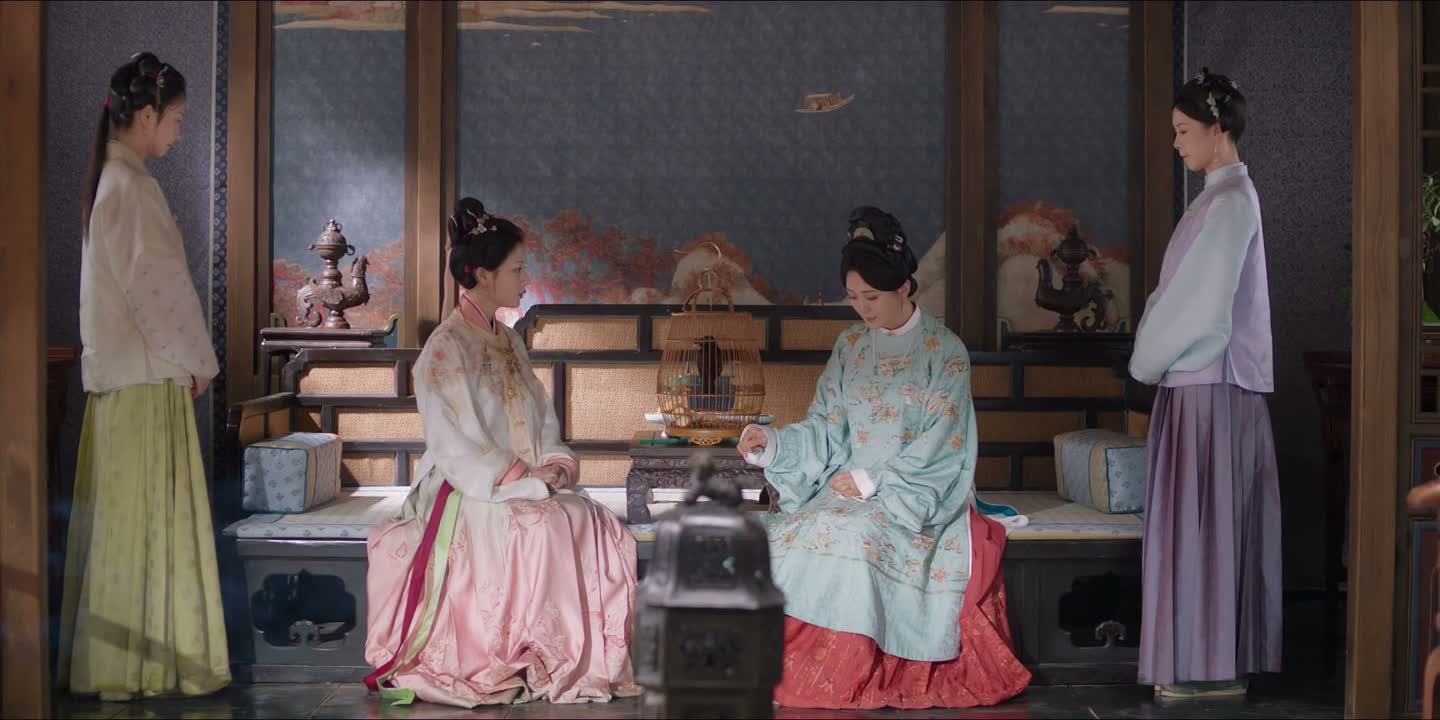
我舍不得腹中和老爷的孩子
“But I could not bear to leave the child I carry.”
THE DIALOGUE REEL
我 舍不得腹中和老爷的孩子
“But I could not bear to leave the child I carry.”
“After I give birth,”
Direct spoken expression in this communicative setting.
In traditional patriarchal Chinese society, carrying the master's unborn child provided concubines and wives with crucial social significance and a compelling reason to endure severe hardship.
LEARNING CHUNKS & PARTICLES
reluctant to give up or part with
A highly frequent everyday phrase used to express emotional attachment or hesitation to let go of people, things, or money.
in the belly / in the womb
A literary term used frequently in period dramas to refer to an unborn baby.
VOCABULARY & EXPRESSIONS
Parallel Spoken Cinema Scenes (语义近邻切片)
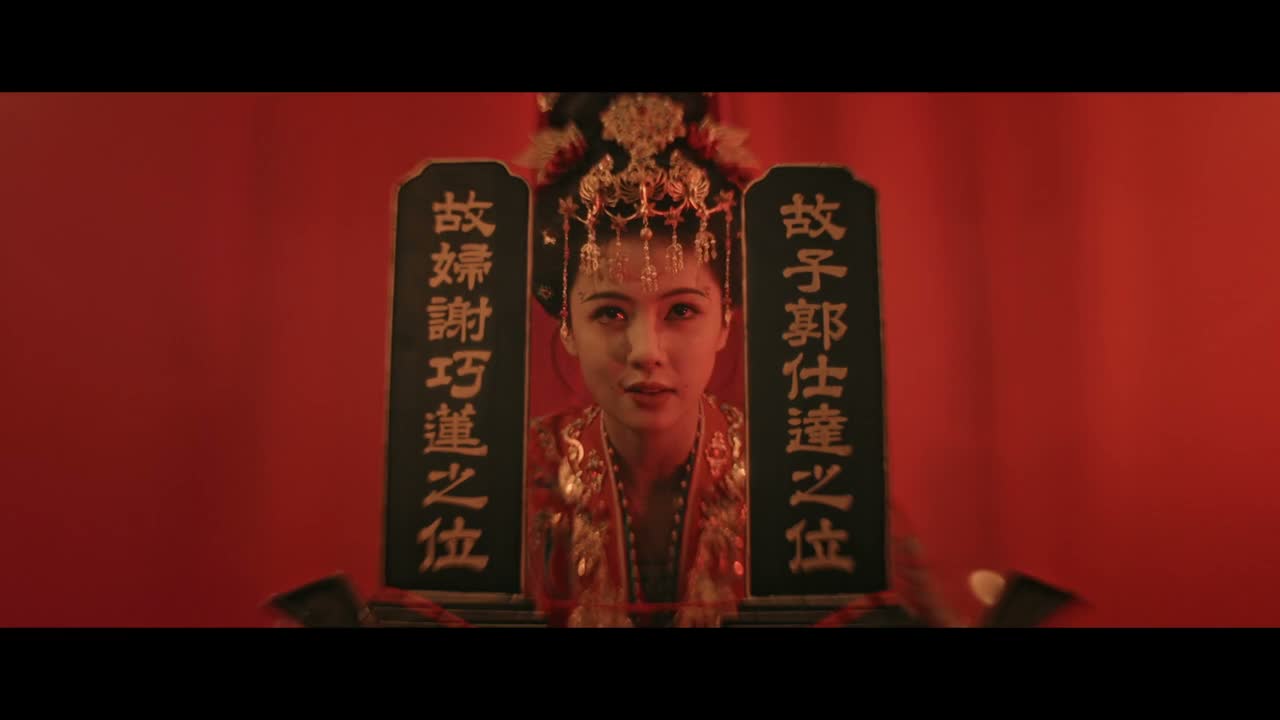
“and you can't bear to part with your son,”
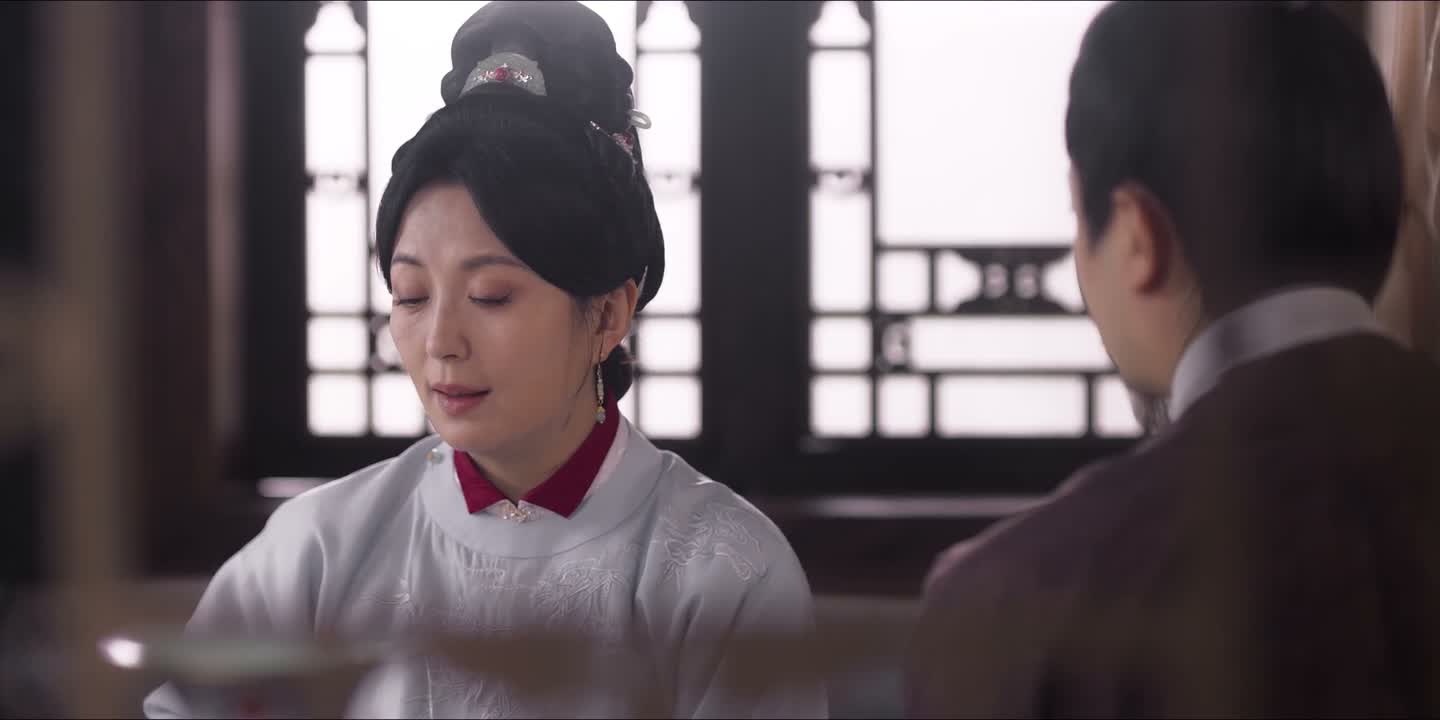
“In the end, Lord Gu still cannot bear to part with her.”

“Have you ever considered parting ways with the Lord Gu?”
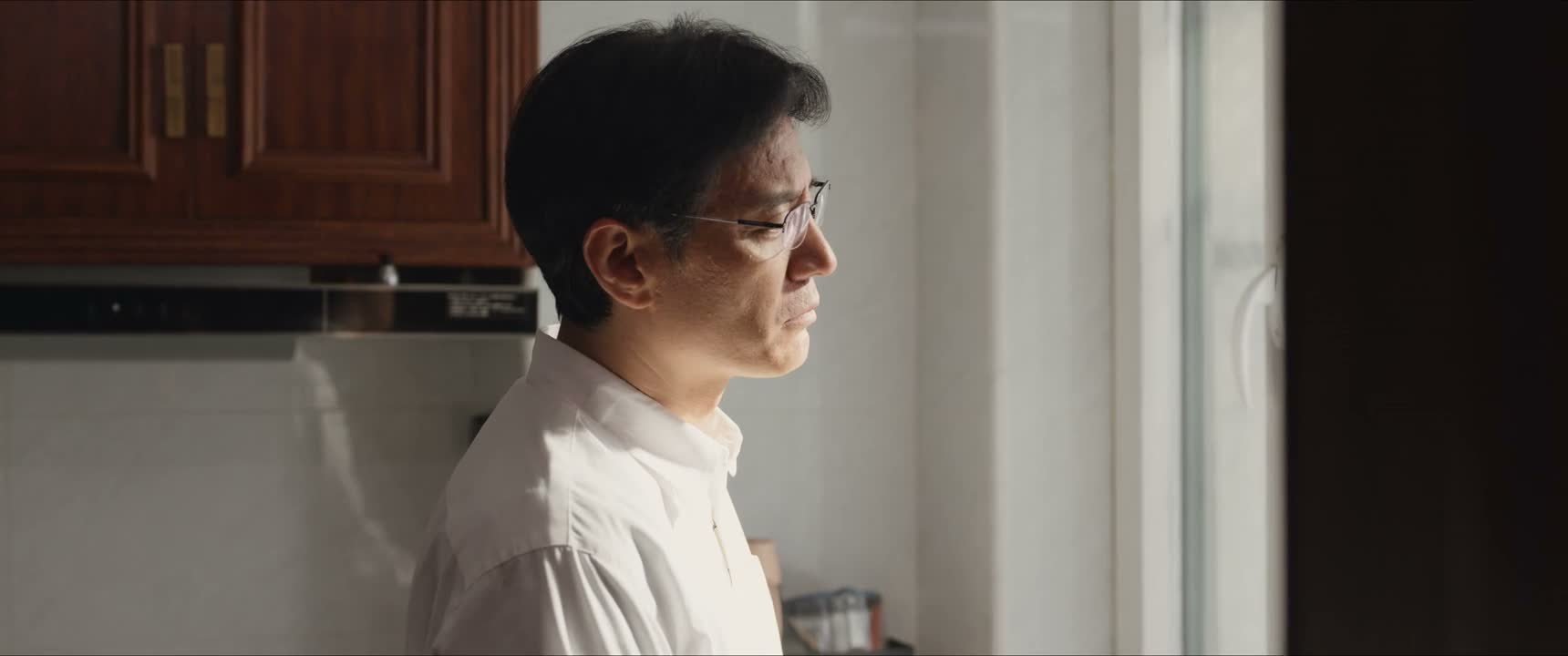
“she couldn't bear to leave those children,”
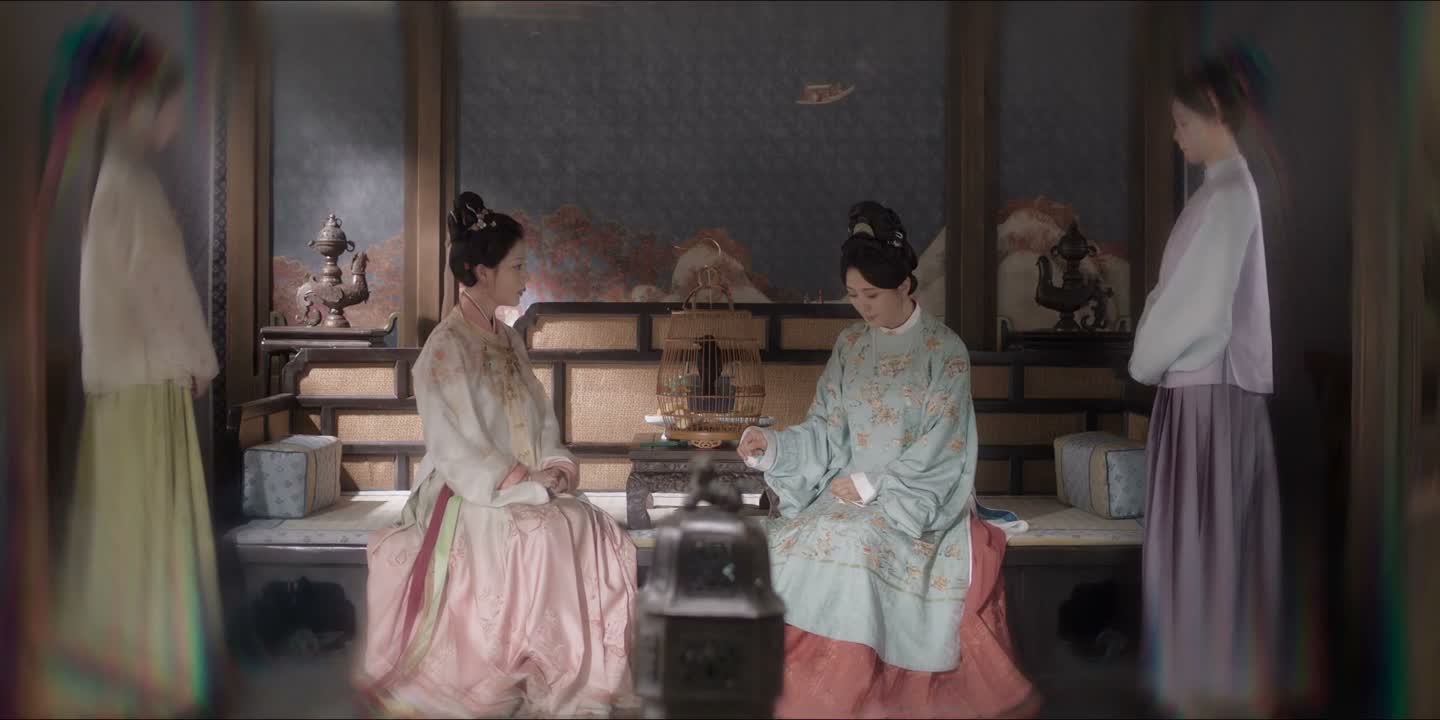
“you might as well separate from Master”
“you'd be better off leaving the Master”