我不是故意的
“I didn't mean to.”
THE DIALOGUE REEL
对不起
“I'm sorry.”
我不是故意的
“I didn't mean to.”
不知道师父怎么样了
“I have no idea how Master is doing...”
“Please don't blame me, it was an honest accident.”
In Chinese interpersonal interactions, proving lack of malicious intent ('无心之失') is critical for obtaining forgiveness and mitigating social blame.
LEARNING CHUNKS & PARTICLES
did not do it on purpose / unintentional
The most standard colloquial way to state that a mistake or harmful act was accidental.
Functions in the 'shi...de' construction to emphatically affirm the nature or manner of the action.
VOCABULARY & EXPRESSIONS
Parallel Spoken Cinema Scenes (语义近邻切片)
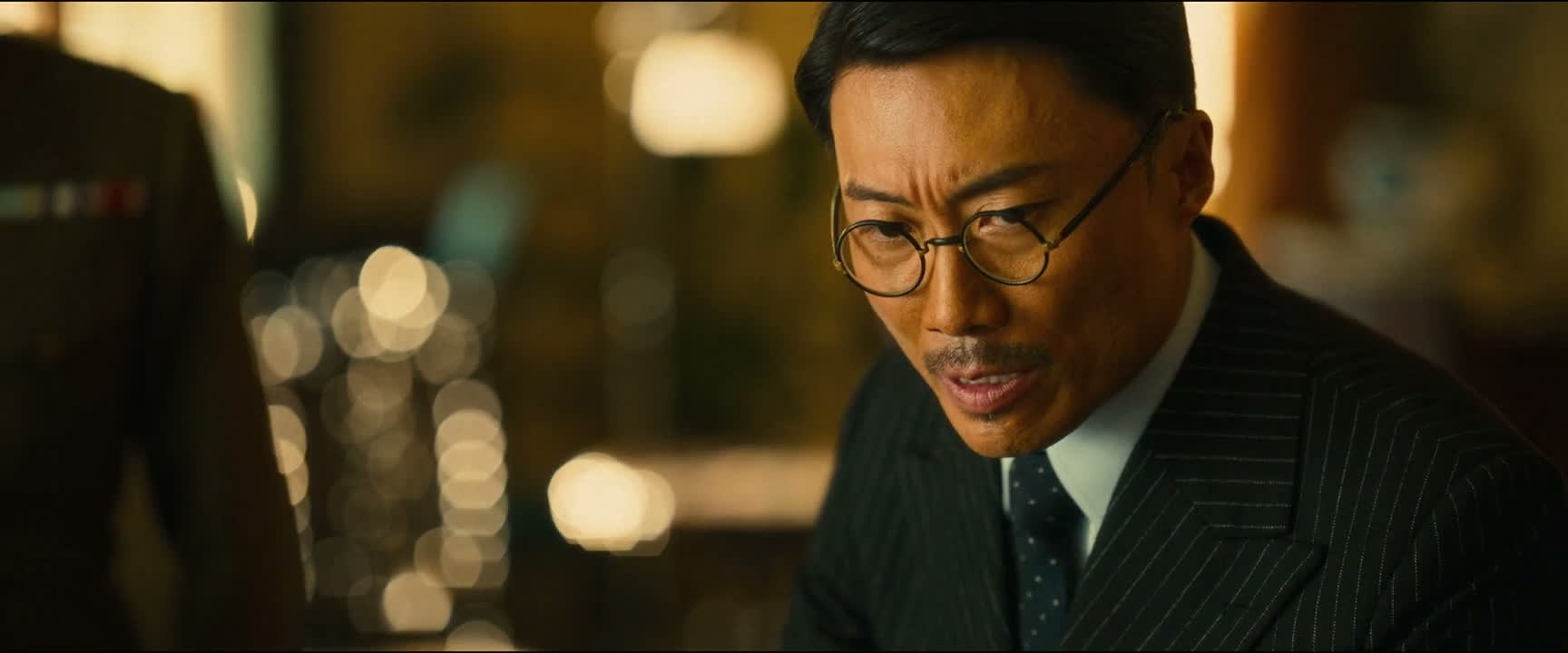
“But you never intended to undermine”

“I didn't mean to do that. I thought it was mine.”

“Do you not see that this was done on purpose?”

“This wasn't my intention.”

“I didn't mean to offend Consort Hui.”