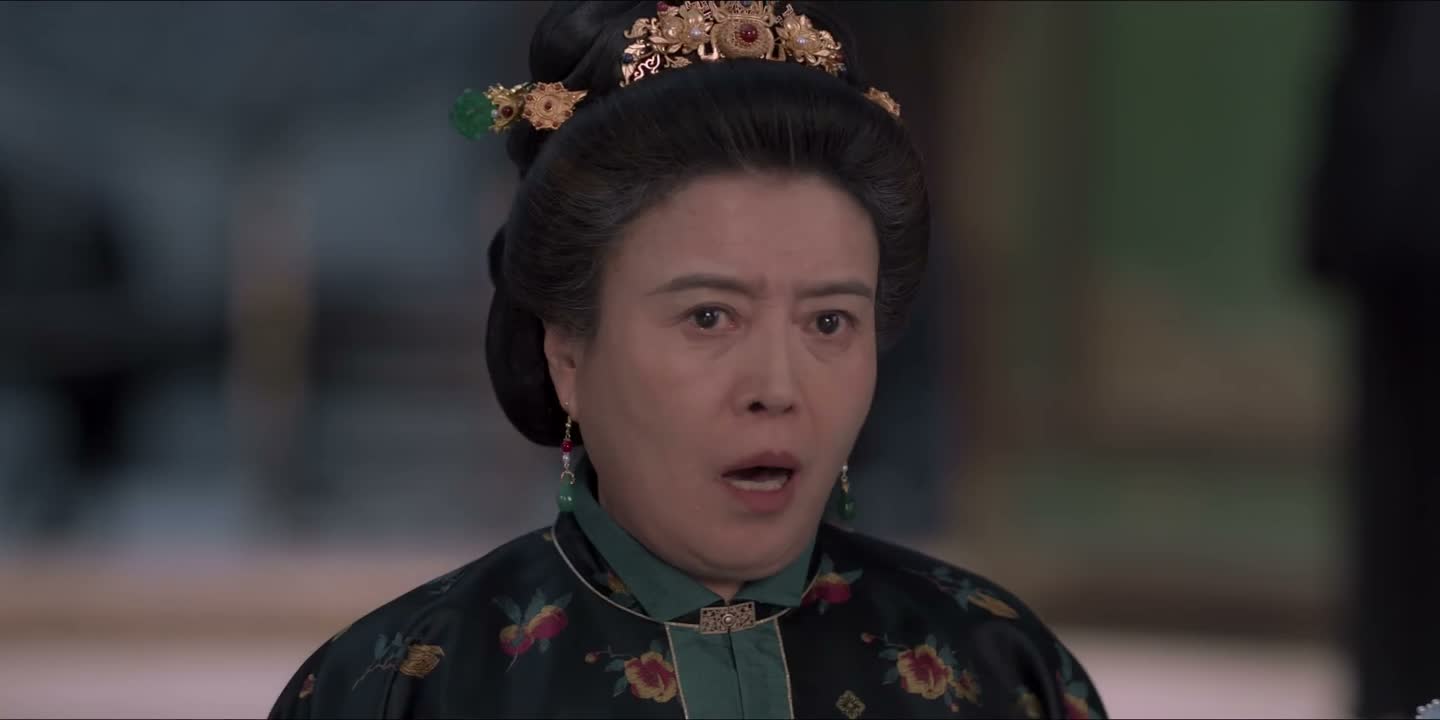
你不要把人家带坏了
“Don't you go corrupting her.”
THE DIALOGUE REEL
穗穗是个好孩子
“Sui is a good kid.”
你不要 把 人家 带坏了
“Don't you go corrupting her.”
知道了
“I know.”
“You're a troublemaker, so don't ruin that well-behaved kid.”
Chinese elders place high value on peer influence ('近朱者赤,近墨者黑') and will explicitly police family members to ensure they do not corrupt innocent, well-behaved children.
LEARNING CHUNKS & PARTICLES
to lead astray; to corrupt someone's behavior
Extremely frequent causative compound used by elders or guardians regarding peer influence.
other people; that person (third-party reference)
Colloquial pronoun referring to a specific third party respectfully or objectively.
Emphasizes the change of state that should be prevented in negative commands ('不要...了').
VOCABULARY & EXPRESSIONS
Parallel Spoken Cinema Scenes (语义近邻切片)

“don't always think of others as bad people.”

“She's a bad influence on you.”
“A good man has been led astray.”