《COURT!》 S1·E2 (05:37)
HSK 1
zěn me néng bú shì zhēn de ne
怎么能不是真的呢
“How could it not be true?”
《COURT!》
S1·E2
TIMECODE: 05:37
·
1080P MASTER AUDIO
THE DIALOGUE REEL
[-1] PREVIOUS TURN
nà wèi le jiē huó shén me huà
那为了接活什么话
“When they're trying to take on a case...”
zěn me néng bú shì zhēn de ne
CURRENT FOCUS
怎么能不是真的 呢
“How could it not be true?”
[+1] FOLLOW-UP TURN
wǒ gào sù nǐ
我告诉你
“Let me tell you,”
Subtitles synced to millisecond timecode
Browse Show Clips →
Scene:
Crisis & Conflict
Function:
ASSERTIVE DEFENSE
Tone:
COMBATIVE AND EMPHATIC
Emotion:
INDIGNATION
WHAT THEY REALLY MEAN (PRAGMATIC SUBTEXT)
“Of course it is real, do you really think I am lying to you?”
💡 Cultural Insight: Rhetorical Questioning for Defense
Mandarin speakers frequently employ negative rhetorical questions with modal particles like '呢' to vehemently defend their integrity when challenged.
INTENT TAGS:
#rebuttal
#insistence
#defensiveness
#rhetorical_question
🧩
1 CHUNKS · 1 PARTICLES
LEARNING CHUNKS & PARTICLES
怎么能不是真的
SPOKEN CHUNK
How could it possibly not be true?
A rhetorical question used to strongly reject another person's doubts or accusations of fabrication.
Modal Particle「呢」 (ne)
CHANGE OF STATE
Enhances the rhetorical force of the question, underscoring the speaker's disbelief at being doubted.
🏮
1 EXPR · 13 GRAMMAR
VOCABULARY & EXPRESSIONS
CROSS-CINEMA CORPUS BOARD · PARALLEL SCENES
EXPLORE BY SEMANTIC SIMILARITY
Parallel Spoken Cinema Scenes (语义近邻切片)

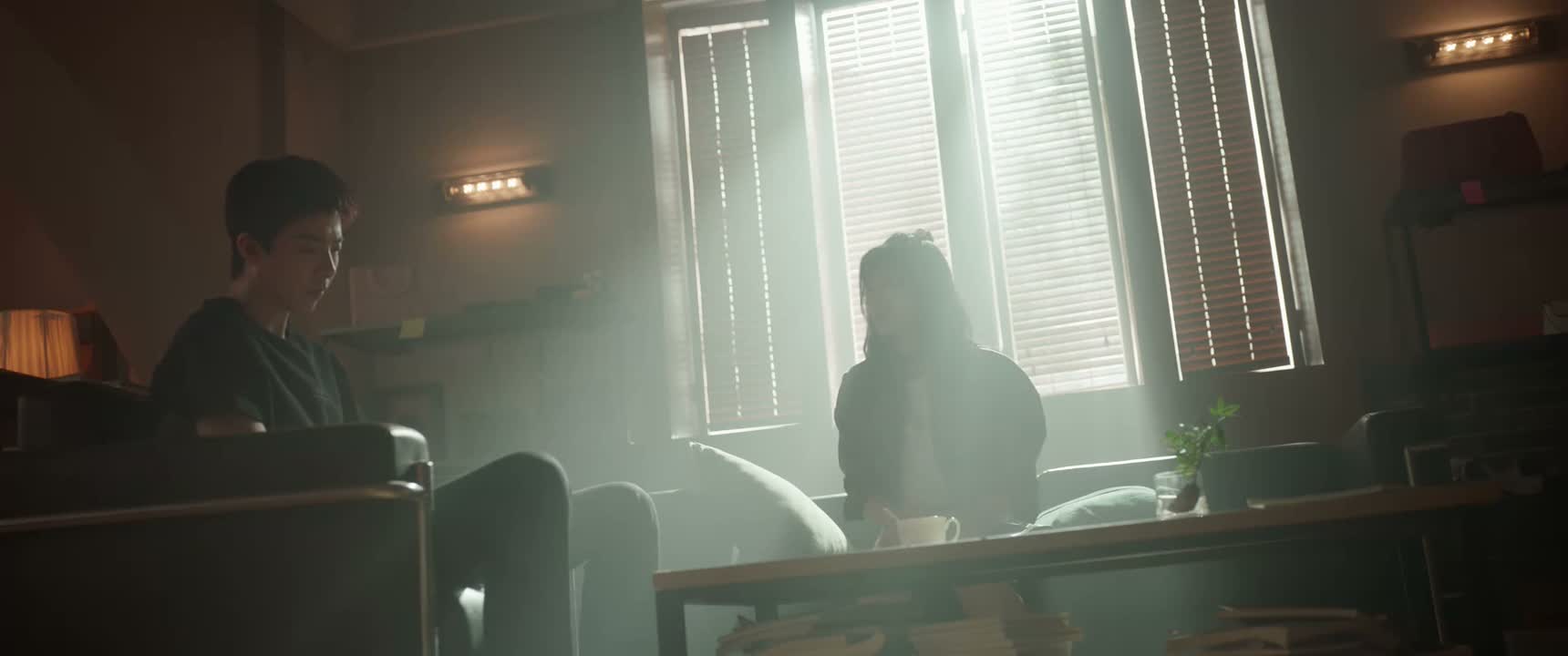
《COURT!》 S1·E2 (05:37) · Authentic Cinema Dialogue Corpus