干什么呀 好不容易排到这儿的
“What are you doing? We finally made it to the front.”
THE DIALOGUE REEL
费霓
“Fei Ni!”
干什么呀 好不容易 排 到这儿 的
“What are you doing? We finally made it to the front.”
费霓 你别跟我说 你这刚结婚就准备怀孕生孩子
“Fei Ni, don't tell me you're already planning to get pregnant.”
“Stop pulling me, I've spent forever waiting in this line and don't want to lose my spot!”
Standing in long lines for essential services, hospital appointments, or rations has historically been a demanding ordeal, making people highly protective of their spot.
LEARNING CHUNKS & PARTICLES
What are you doing?; What's going on?
A blunt, colloquial question used to express surprise, resistance, or irritation.
with great difficulty; after much hard effort
Precedes an achieved milestone to highlight the hassle or time it required.
Heightens the sense of exasperation and emotional protest.
Emphasizes the established situation or status of having arrived at this point in the queue.
VOCABULARY & EXPRESSIONS
Parallel Spoken Cinema Scenes (语义近邻切片)

“What? That's great. You're finally dating someone.”
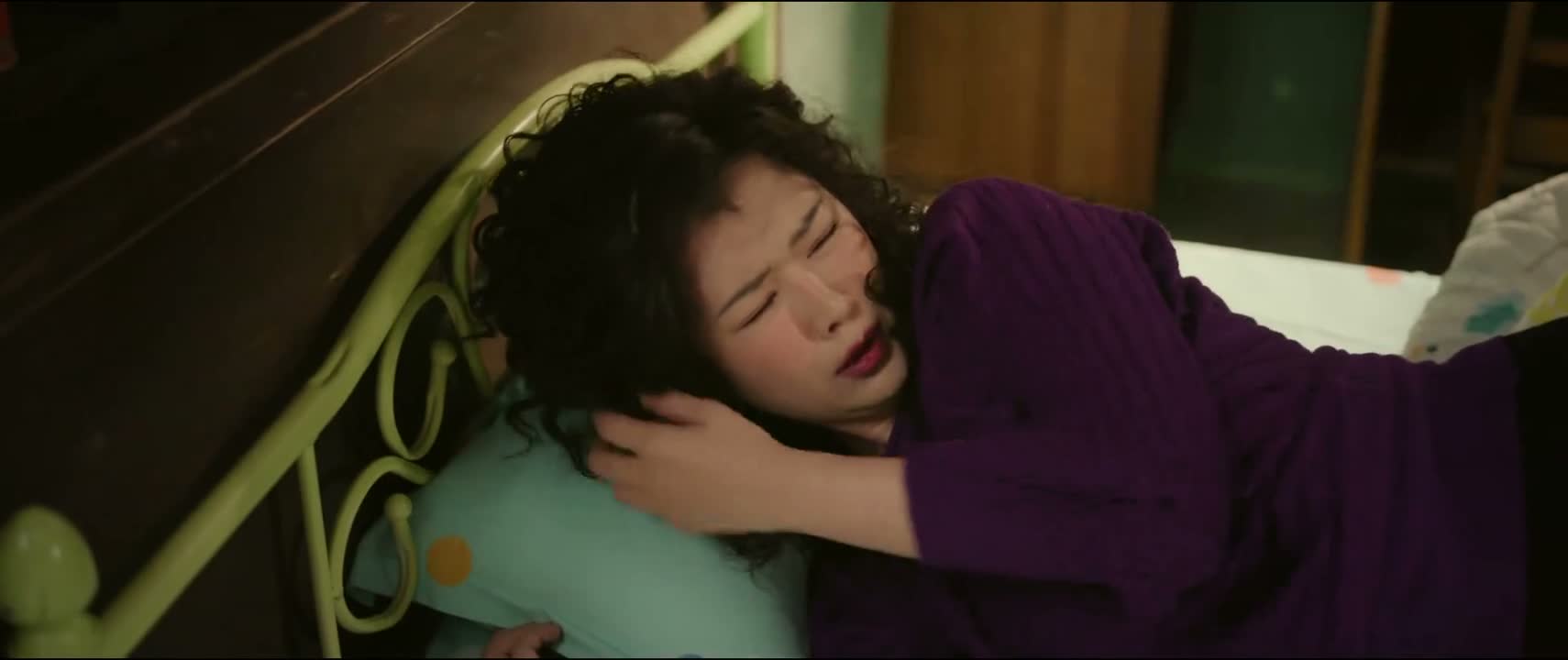
“What are you doing? Tell me”
“What's this all about?”

“What are you doing? You haven't come home for two nights.”

“Hey! What's with you people? You think you're right just because there are more of you and you're louder?”

“What are you doing? This is still someone else's”