今天回来就板着个脸 饭也不好好吃
“He came back with a long face. He barely touched his food”
THE DIALOGUE REEL
知不知道你哥怎么了
“Do you have any idea what's wrong with your brother?”
今天 回来 就 板着个脸 饭 也不 好好吃
“He came back with a long face. He barely touched his food”
问他什么都不说
“and won't say a word when we ask.”
Direct spoken expression in this communicative setting.
In Chinese culture, a person's appetite and mealtime demeanor are seen as key barometers of their emotional state and domestic peace.
LEARNING CHUNKS & PARTICLES
keeping a straight face; wearing a stern, sullen expression
Very common vivid colloquial idiom to describe someone deliberately looking unhappy, unapproachable, or stern.
to eat properly / attentively
Here '好好' functions as an adverb meaning 'properly' or 'attentively', distinct from the adjective '好吃' (delicious).
VOCABULARY & EXPRESSIONS
Parallel Spoken Cinema Scenes (语义近邻切片)

“Why the long face?”

“You've put on this grumpy face as soon as you got back.”
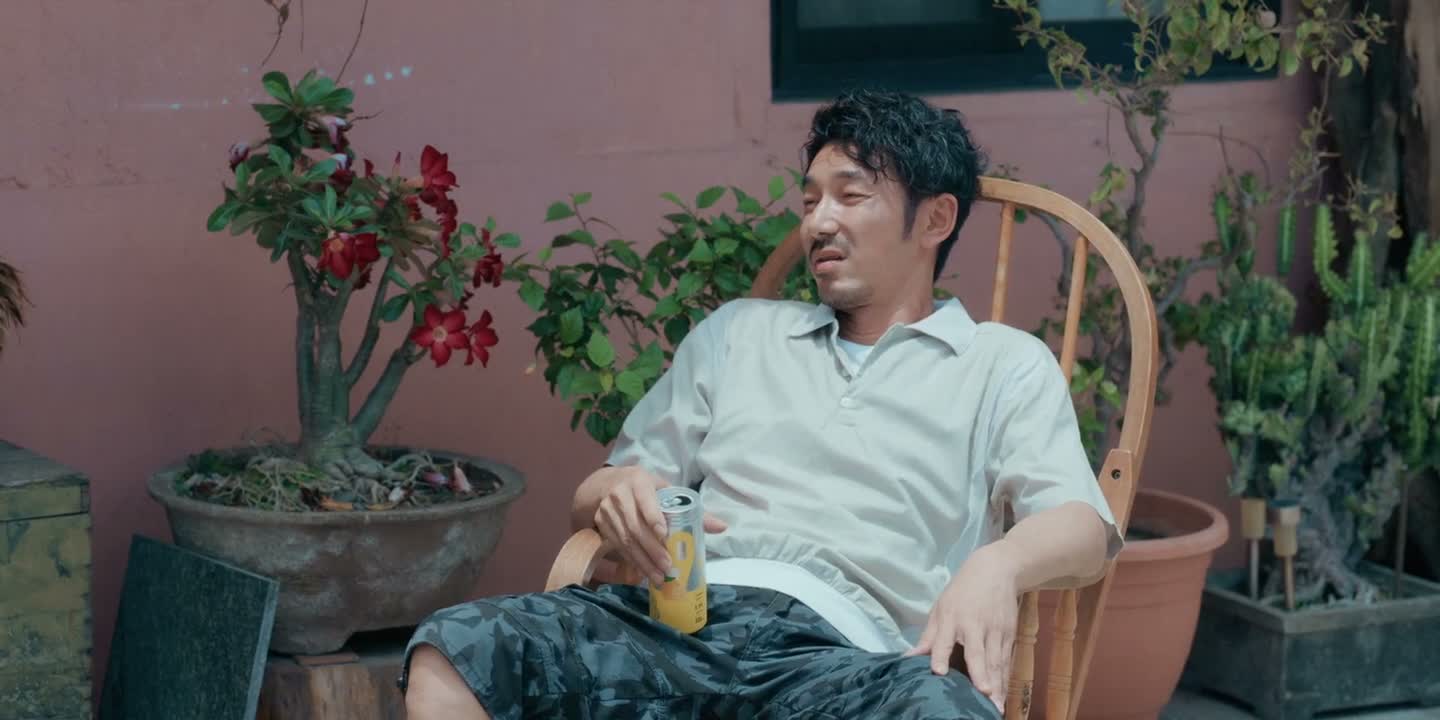
“And you come back with that face?”