没想到这口凶井真是害人哪
“I didn't expect this cursed well would truly bring disaster.”
THE DIALOGUE REEL
所以就将此事掩盖下来
“so I covered it up.”
没想到 这口凶井 真是害人 哪
“I didn't expect this cursed well would truly bring disaster.”
还望两位大人 看在忠勇侯的份上 大周有律
“Please… for the sake of the Marquis of Zhongyong... Zhou's law clearly states that”
“Don't blame me, the well itself is cursed and caused all this trouble!”
In traditional narratives, attributing fatal occurrences to malevolent or ominous objects (xiongwu) is a common tactic to evade direct moral or legal culpability.
LEARNING CHUNKS & PARTICLES
unexpectedly; who would have thought
Commonly used in both modern and historical speech to express surprise or to feign ignorance.
to harm people; to bring calamity upon others
Used to denote actions or superstitious entities that cause misfortune or death.
Phonetic variant of 'a' following an 'n' sound, enhancing the dramatic exclamatory and lamenting tone.
VOCABULARY & EXPRESSIONS
Parallel Spoken Cinema Scenes (语义近邻切片)
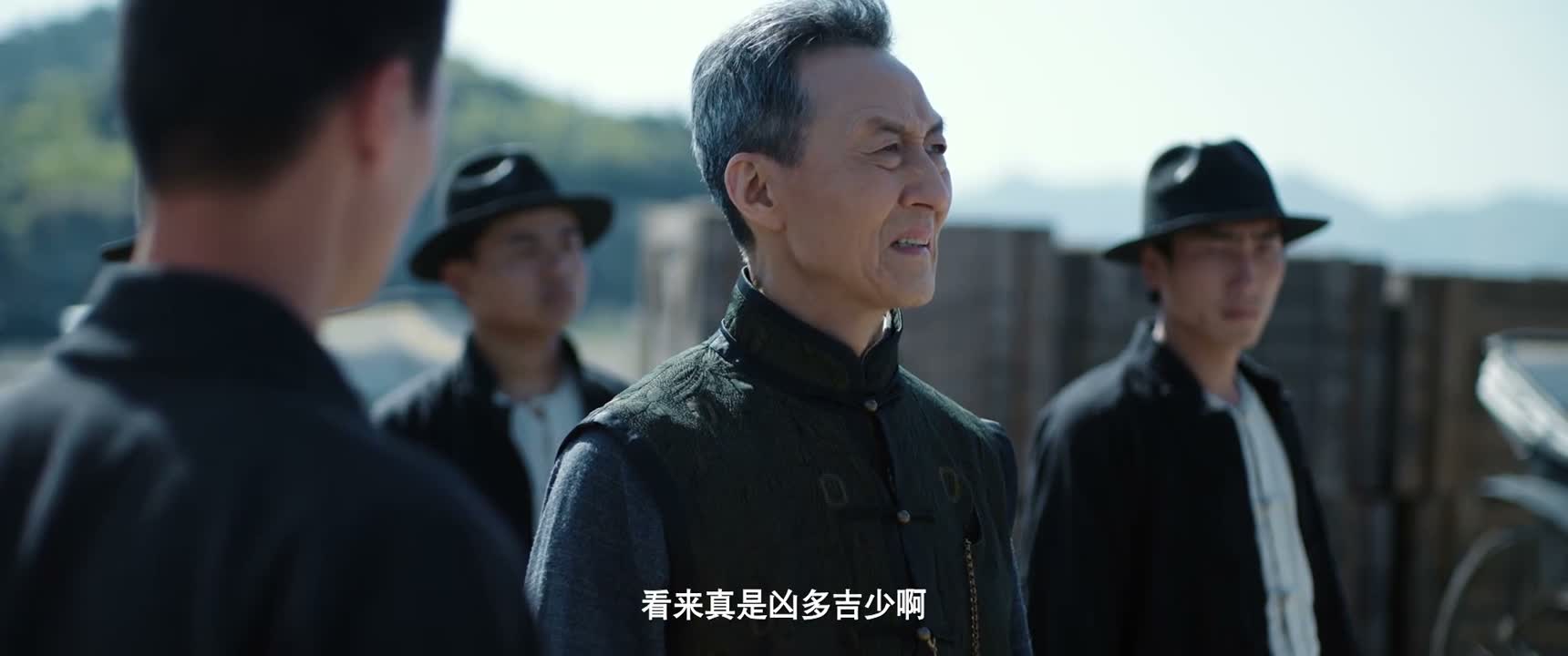
“It seems the odds are truly against them.”
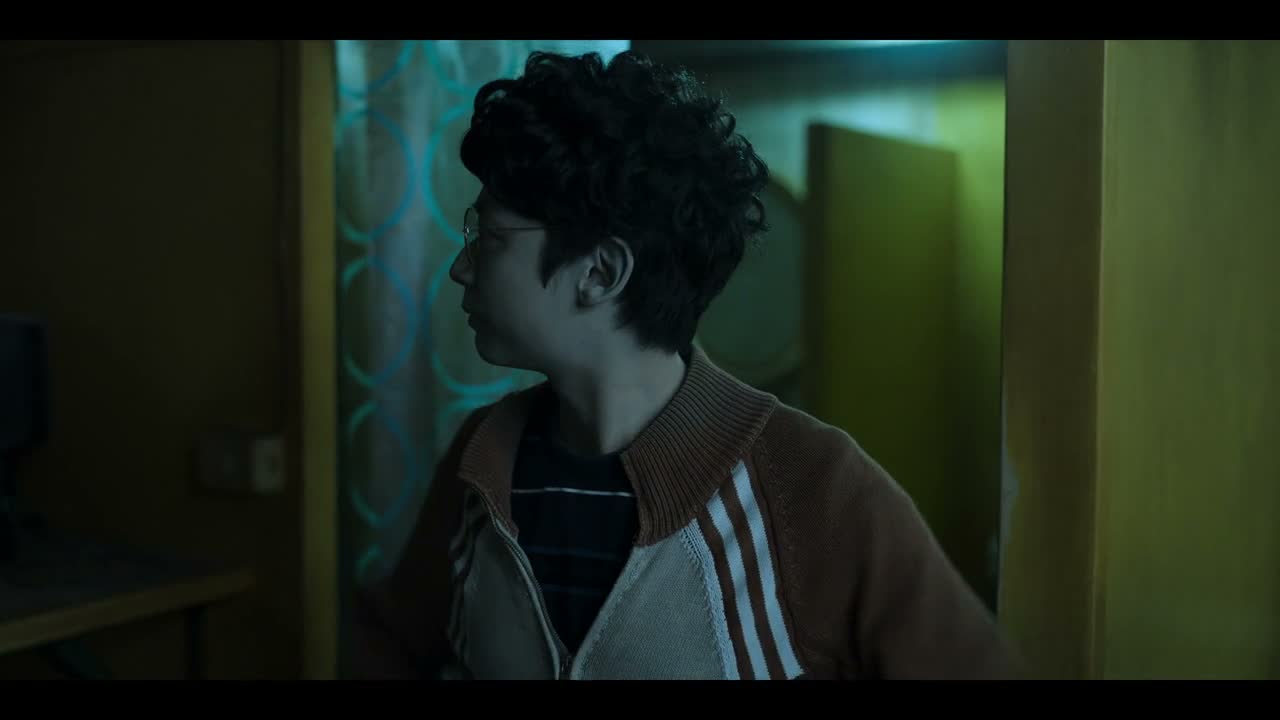
“These are all modest houses full of yin energy.”
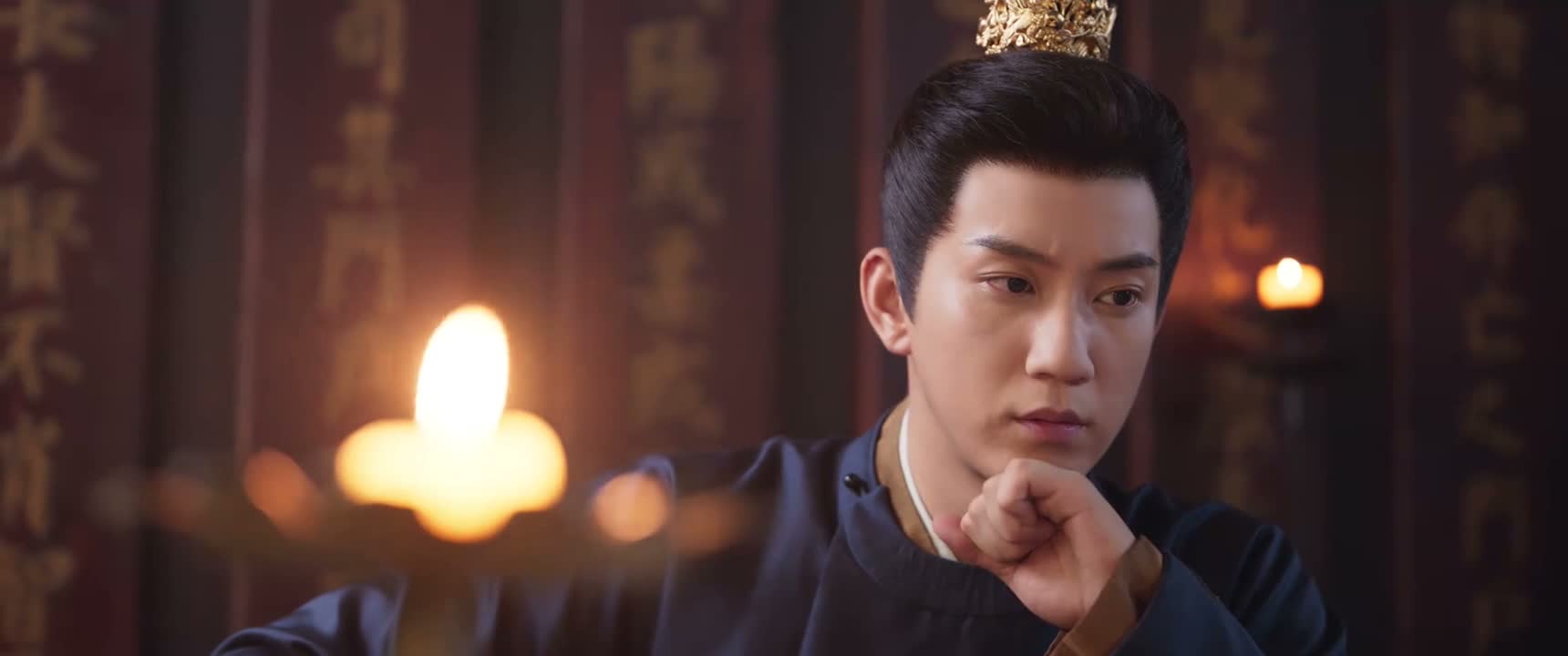
“Yet today he was savage,”

“Why are you so fierce? I just think”
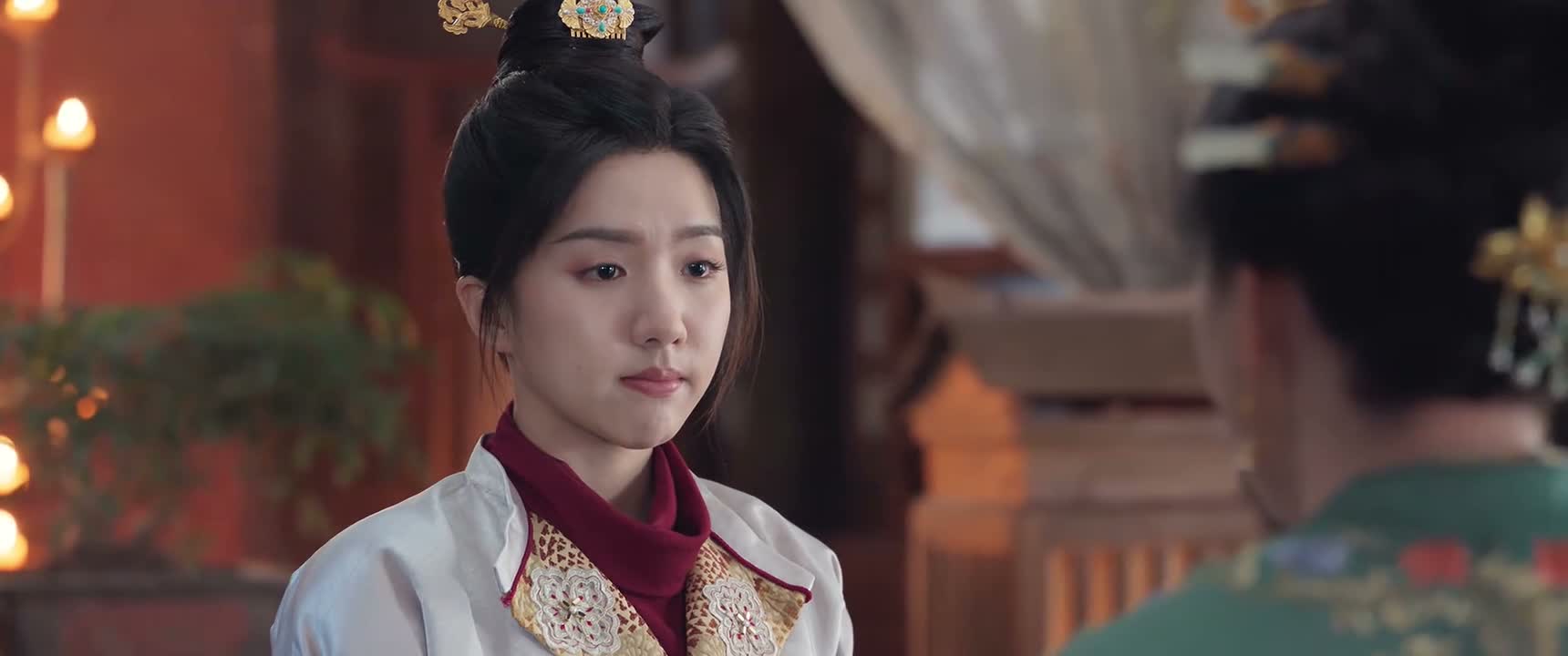
“That place must be extremely dangerous.”
“(This is the true face of the water ghost.)”