都是我的错
“It's all my fault!”
THE DIALOGUE REEL
松格
“Songge.”
都是我的错
“It's all my fault!”
晚了
“It's too late.”
“Please forgive me, I will take all the blame if it means saving our relationship.”
In close personal relationships, taking full blame ('都是我的错') is often a desperate de-escalation tactic rather than a purely rational assessment of liability.
LEARNING CHUNKS & PARTICLES
it's all my fault
A blanket apology often used in highly emotional disputes to de-escalate tension by shouldering all responsibility.
VOCABULARY & EXPRESSIONS
Parallel Spoken Cinema Scenes (语义近邻切片)
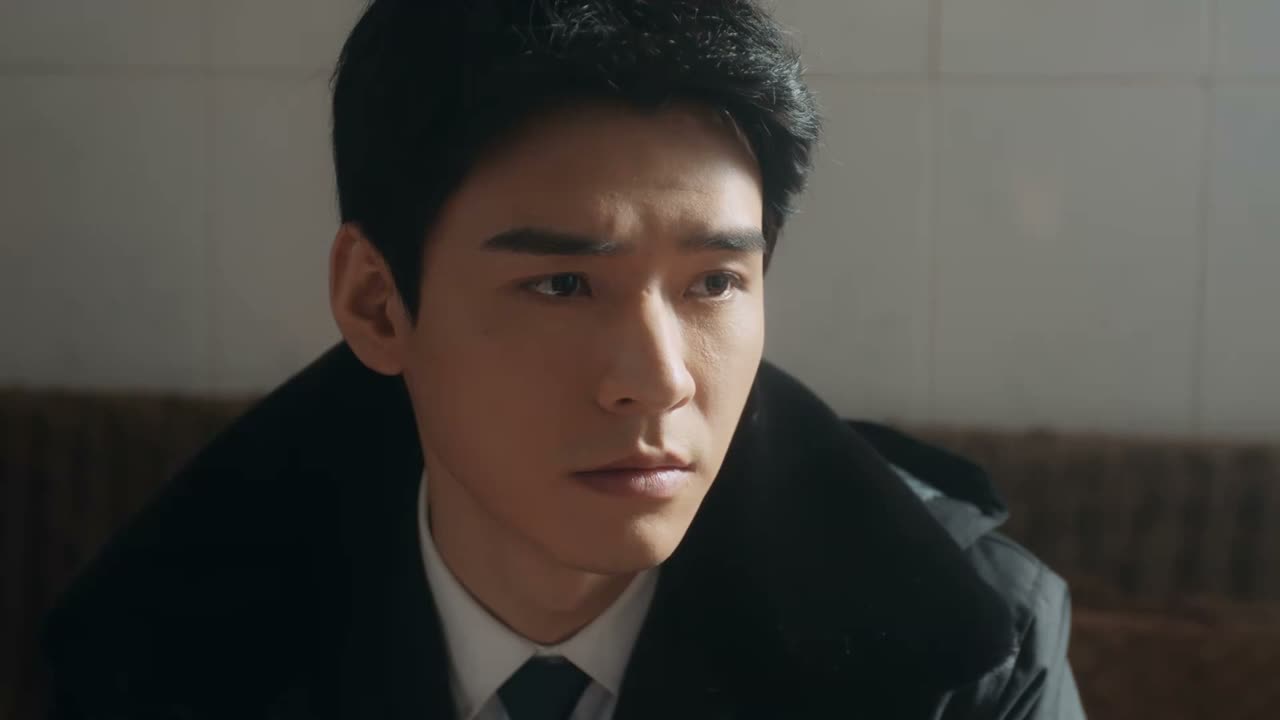
“It's all my fault.”
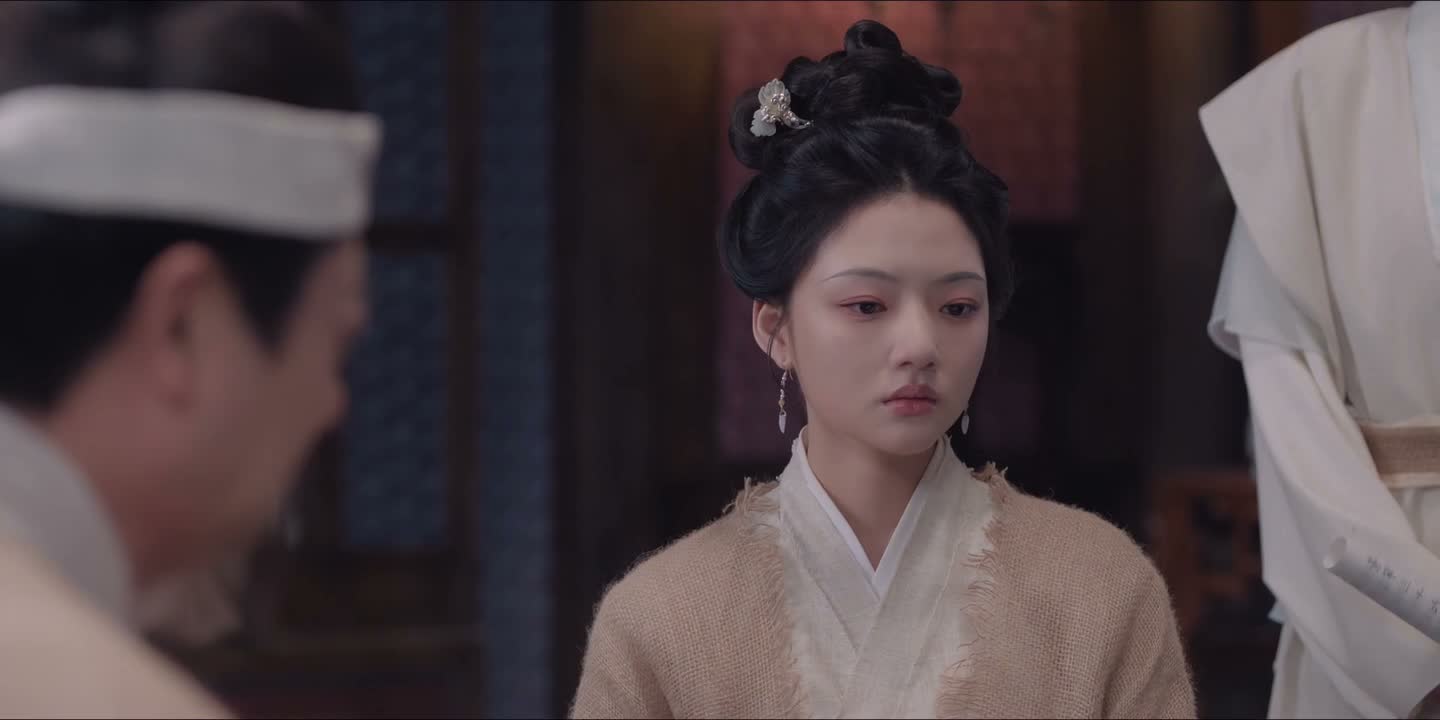
“It's all my fault.”
“I made this mess.”
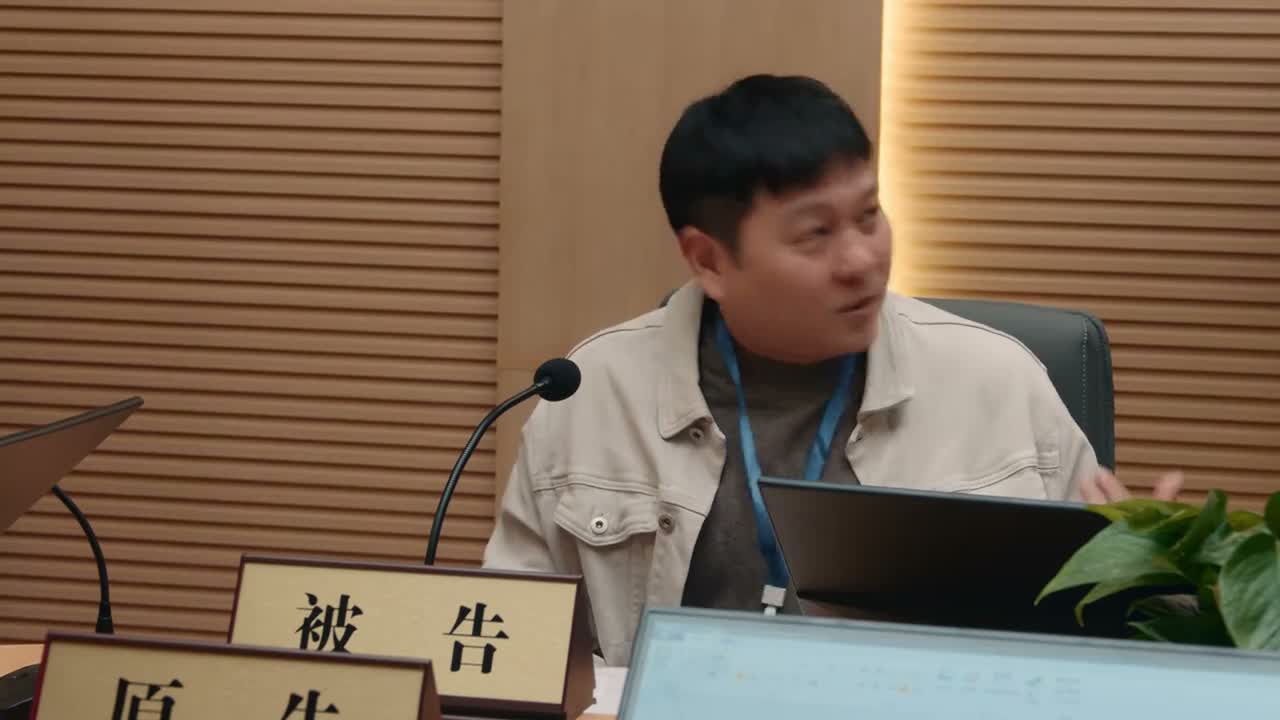
“this is all my fault.”
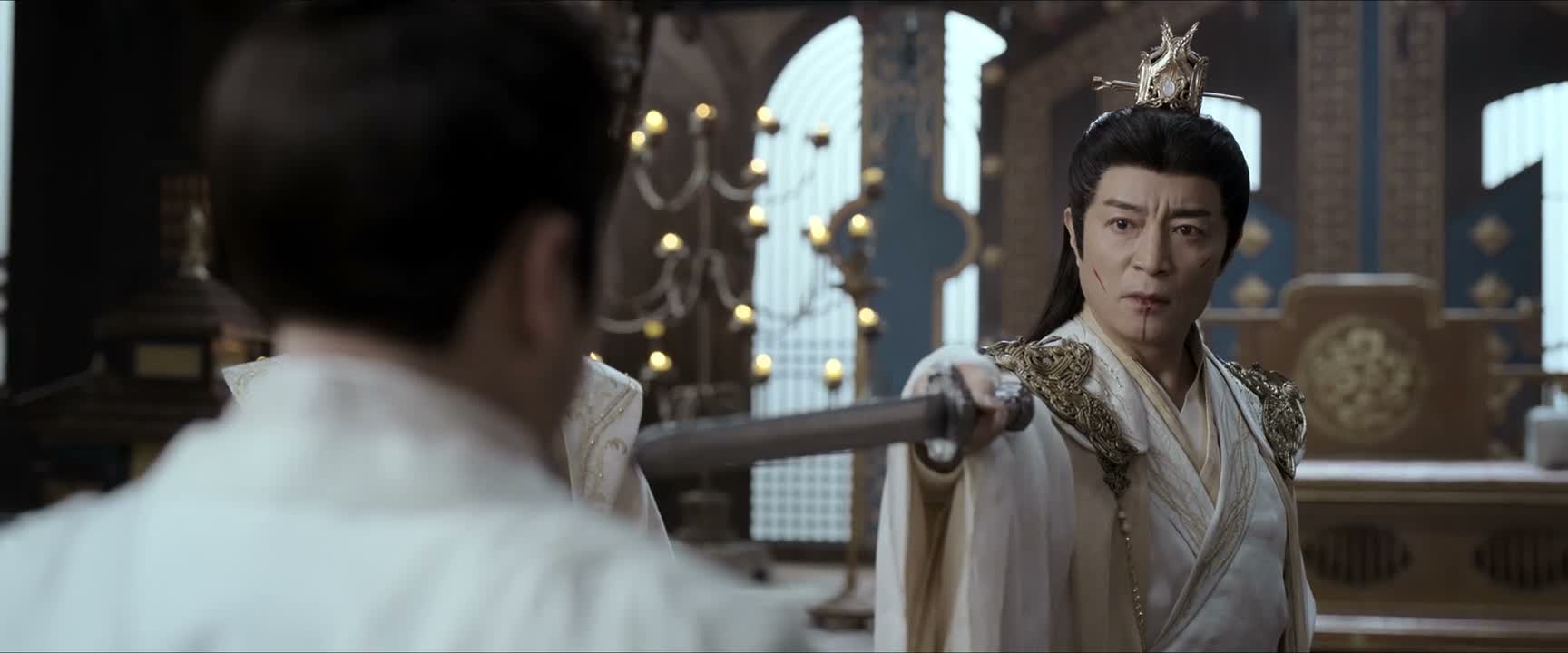
“this is my fault.”
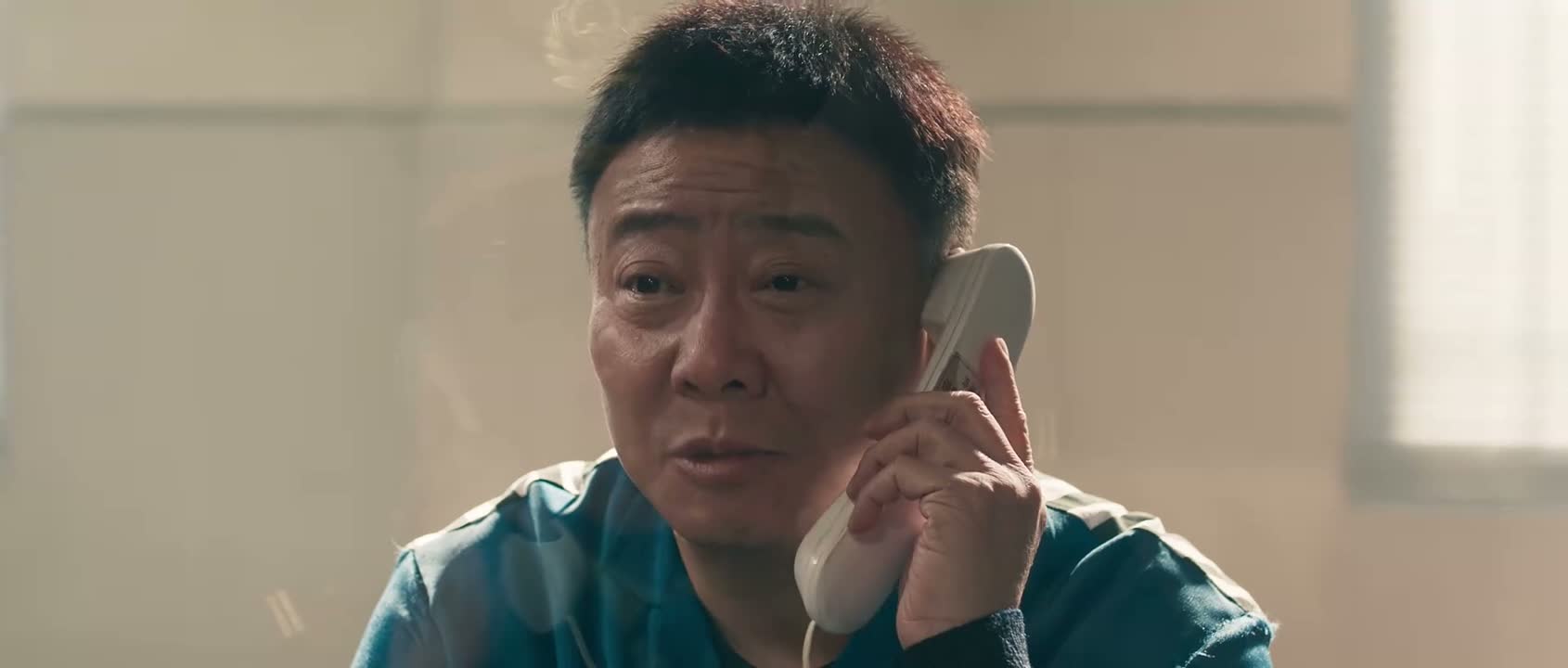
“I'm the one who made a mistake.”