那还能开车吗 你说出了这事还怎么开车啊
“Can he still drive? How could he drive after something like this?”
THE DIALOGUE REEL
腿也瘸了
“he'll probably limp.”
那 还能开车吗 你说 出了这事还 怎么开 车 啊
“Can he still drive? How could he drive after something like this?”
人运输队的文件都下来了 把你哥给开除了
“The transport team already issued a notice. He's been fired.”
Direct spoken expression in this communicative setting.
In working-class Chinese households, an injury carries intense anxiety because it directly threatens the family's financial stability.
LEARNING CHUNKS & PARTICLES
now that this incident happened
Used as a conversational transition to address the fallout of an unfortunate accident or scandal.
how can one possibly...
Rhetorical construction indicating impossibility or deep skepticism.
Marks a rhetorical question expressing profound doubt about his ability to drive.
Adds emotional intensity and exasperation to the rhetorical inquiry.
VOCABULARY & EXPRESSIONS
Parallel Spoken Cinema Scenes (语义近邻切片)

“You can't get in the car! Don't do that! Hurry! Get in the car! I'm begging you!”
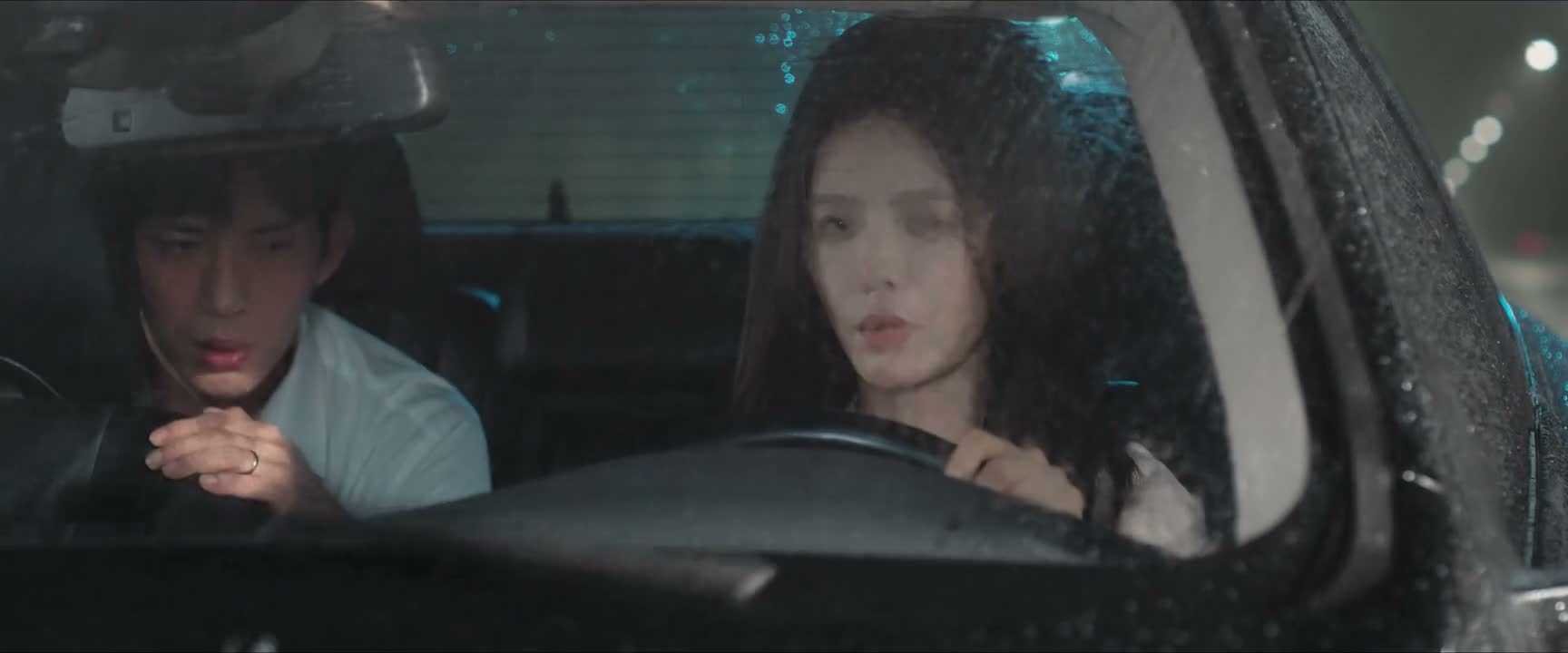
“What's wrong? You can't drive after drinking.”

“You can't just leave! You owe us an explanation!”

“Looks like she really can't ride.”

“Can you teach me to drive? No.”

“but it sounds good. It's good? Let's think about it first.”