你不让我们搬出去 到底是舍不得我们
“You won't let us move out. Is it because you'll miss us,”
THE DIALOGUE REEL
这就不是你的家呀 爸
“And this isn't your home? Dad.”
你 不让我 们 搬出去 到底是 舍不得 我们
“You won't let us move out. Is it because you'll miss us,”
还是怕费霓不在 没人帮你收拾手稿啊
“or because without Fei Ni, no one will help sort your manuscripts?”
“Admit it, do you actually care about us leaving, or is there another reason?”
Adult children moving out is a significant emotional threshold in Chinese families, often laden with unexpressed affection and unspoken dependencies.
LEARNING CHUNKS & PARTICLES
to move out
Standard directional verb phrase for moving out of the family residence.
loath to part with; reluctant to let go of
Essential emotional term expressing deep attachment and unwillingness to separate.
in the final analysis; after all
Used to press for the true underlying reason or reality behind an action.
VOCABULARY & EXPRESSIONS
Parallel Spoken Cinema Scenes (语义近邻切片)

“Then promise you won't secretly move out again, okay?”

“We just stop hiring them, right? Right. That's a way. Yeah. Yes, stop hiring them.”
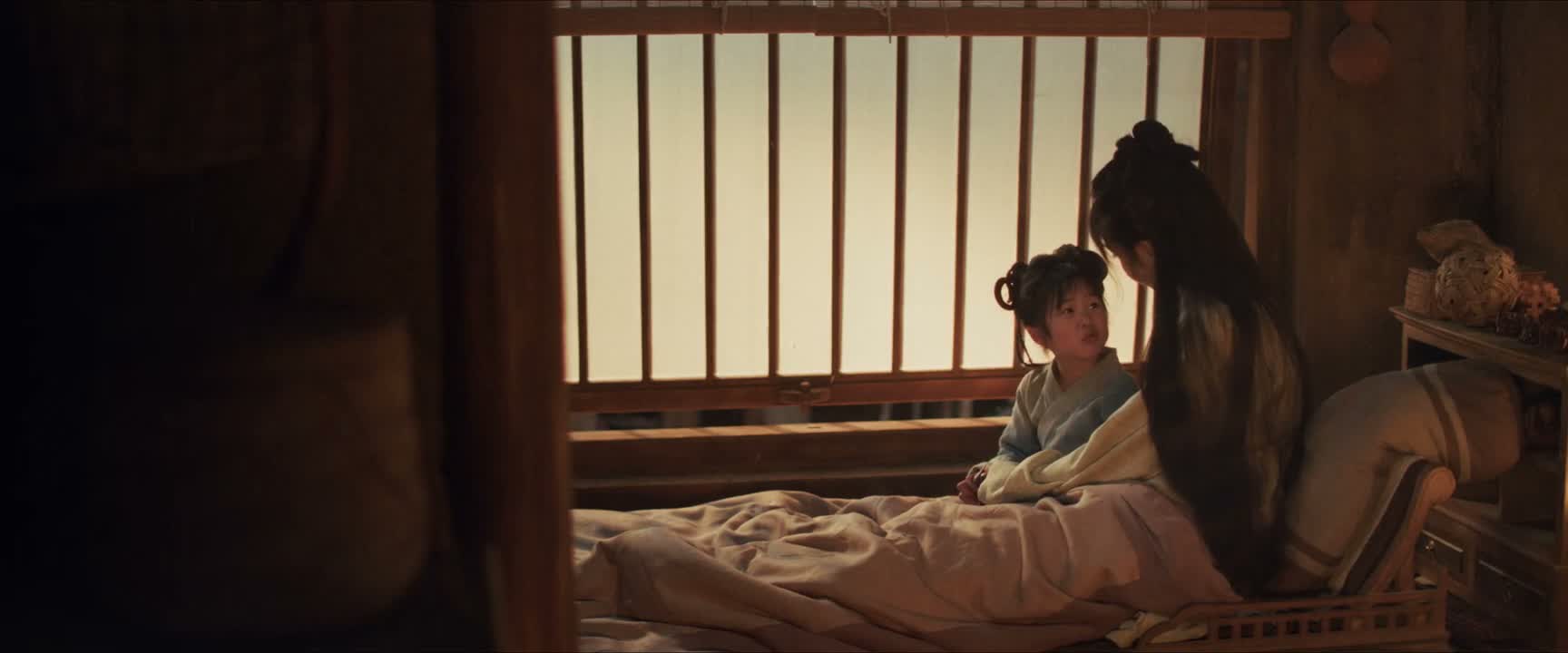
“we don't have to move anymore?”

“Even if you move out,”

“no matter how carefully we moved,”

“if you don't want to move, then don't. Don't listen to him.”