MC
MandarinClips Cinema Corpus
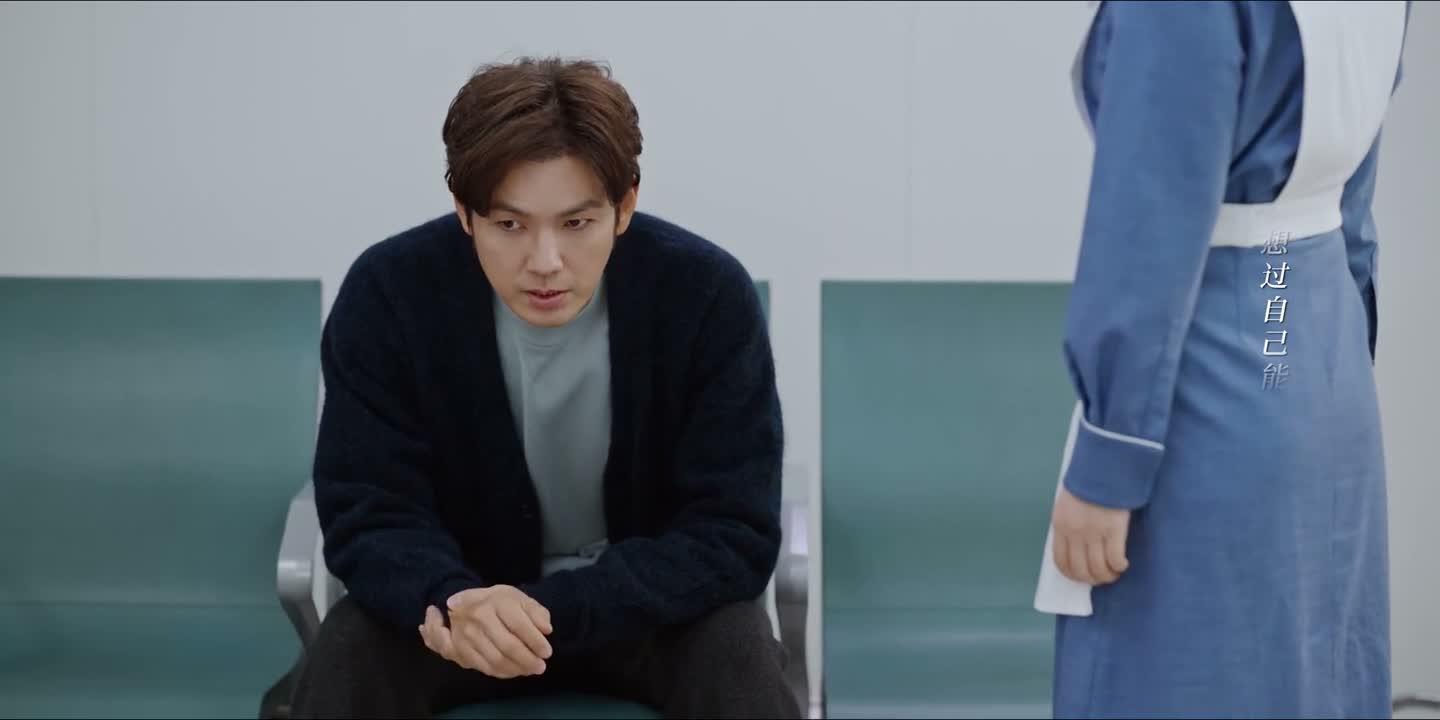
《The Epoch of Miyu》 S1·E8 (21:17) HSK 6
bú shì tóng lǐ xīn shǎo dé kě lián ma

不是同理心少得可怜吗

“Didn't you say I have pitifully little empathy?”

《The Epoch of Miyu》 S1·E8
TIMECODE: 21:17 · 1080P MASTER AUDIO

THE DIALOGUE REEL

1+1+1 SPOKEN CONTINUITY
[-1] PREVIOUS TURN jīn tiān xiè xiè nín

今天谢谢您

“thank you for today.”

bú shì tóng lǐ xīn shǎo dé kě lián ma CURRENT FOCUS

不是 同理心 少得可怜 吗

“Didn't you say I have pitifully little empathy?”

[+1] FOLLOW-UP TURN duì bù qǐ wǒ bù yīng gāi nà me shuō nǐ

对不起 我不应该那么说你

“I'm sorry. I shouldn't have said that.”

Subtitles synced to millisecond timecode Browse Show Clips →
Scene: Social & Dating
Function: TEASING REPROACH
Tone: SARCASTIC
Emotion: SMUGNESS
WHAT THEY REALLY MEAN (PRAGMATIC SUBTEXT)
“Now you thank me? What happened to me having zero empathy?”
💡 Cultural Insight: Playful Retaliation (Fanwen)

Quoting someone's exact derogatory remark back at them when proven wrong is a common, slightly ironic way in Chinese to restore dignity without causing total loss of face.

INTENT TAGS: #sarcasm #teasing #reproach #face_restoration
🧩

LEARNING CHUNKS & PARTICLES

2 CHUNKS · 1 PARTICLES
同理心 SPOKEN CHUNK

empathy

A common modern psychological and interpersonal term referring to the ability to understand others' feelings.

少得可怜 SPOKEN CHUNK

pitifully little; scarce

A descriptive phrase structure '[Adjective] + 得可怜' used colloquially to emphasize an extreme shortage.

Modal Particle「吗」 (ma) CHANGE OF STATE

Forms a rhetorical question that prompts the listener to confront the contradiction in their past statement.
🏮

VOCABULARY & EXPRESSIONS

2 EXPR · 5 GRAMMAR
CROSS-CINEMA CORPUS BOARD · PARALLEL SCENES

Parallel Spoken Cinema Scenes (语义近邻切片)

EXPLORE BY SEMANTIC SIMILARITY
《The Epoch of Miyu》 S1·E8 (21:17) · Authentic Cinema Dialogue Corpus