但是这个爱闯祸的 却自作主张
“but the troublemaker acted on his own.”
THE DIALOGUE REEL
他们本应该搜查完证据就撤退的
“They should have retreated right after they finished searching for evidence,”
但是 这个 爱闯祸 的 却 自作主张
“but the troublemaker acted on his own.”
为了套取更多的信息
“To get more information,”
“They ruined our orderly plan by acting like a reckless loose cannon.”
In Chinese teamwork culture, especially within hierarchical or mission-driven organizations, '自作主张' (acting unilaterally) is severely criticized because maintaining team coordination and discipline takes precedence over individual initiative.
LEARNING CHUNKS & PARTICLES
prone to getting into trouble / troublemaker
Used colloquially to describe someone habitually causing mishaps or making unauthorized, risky moves.
acting on one's own initiative without authorization
A very common four-character idiom (chengyu) used critically when someone disobeys protocol or makes an important decision unilaterally.
VOCABULARY & EXPRESSIONS
Parallel Spoken Cinema Scenes (语义近邻切片)

“How is that "causing trouble"?”

“He made such a mess”

“I've gotten myself into serious trouble.”
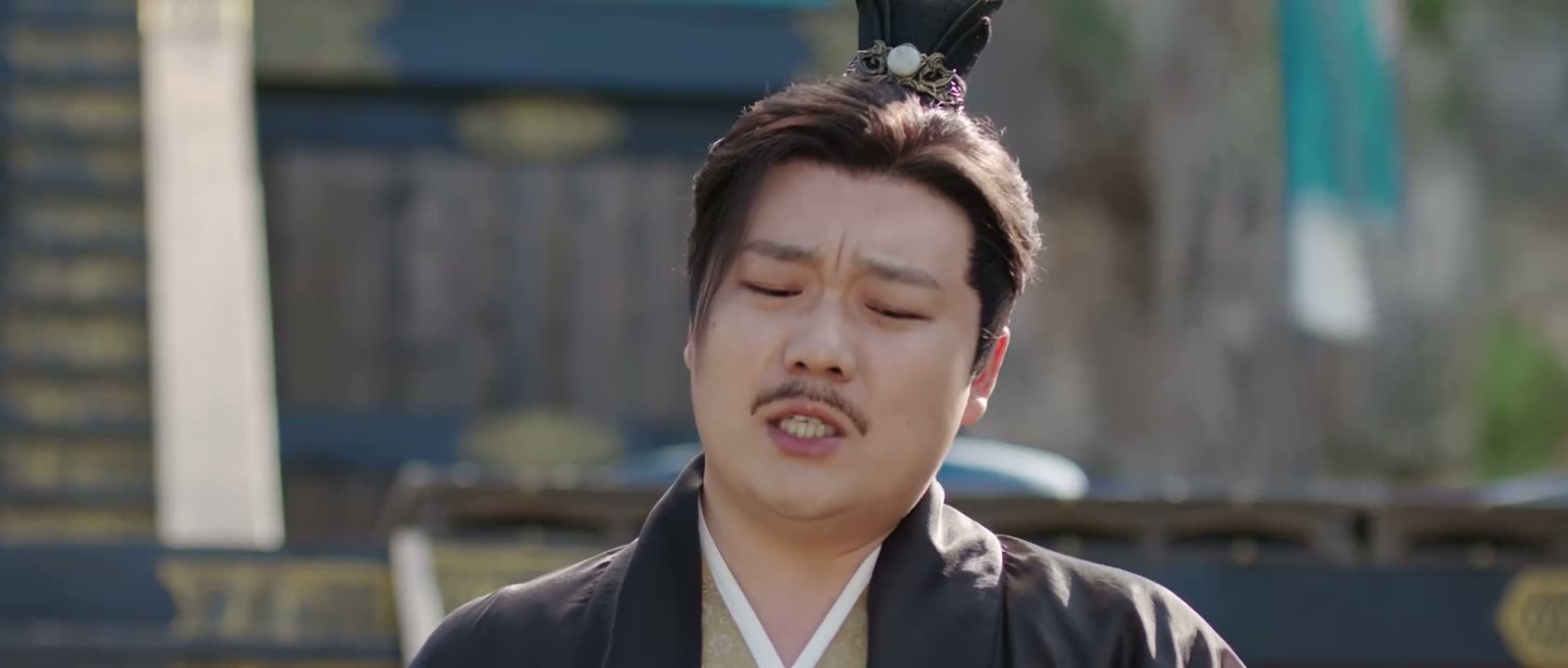
“take responsibility for the mess you caused.”
“I made this mess.”

“let her clean up her own mess. It'll be a good lesson for her.”