没有看见 没有 没有 没看见 谢谢啊
“No, I didn't. No, no, I didn't. Thank you.”
THE DIALOGUE REEL
然后穿着制服 身上还背着一个人
“wearing a uniform, and carrying someone on his back?”
没有 看见 没有 没有 没看见 谢谢啊
“No, I didn't. No, no, I didn't. Thank you.”
先生
“Sir.”
“I don't know anything, don't drag me into this, leave me alone.”
Ordinary bystanders in public confrontations or police matters often rapidly deny seeing anything to avoid becoming entangled as witnesses in complex disputes.
LEARNING CHUNKS & PARTICLES
did not see / haven't seen
A standard, direct way to state that you did not witness or notice someone or something.
thanks / thank you
Added at the end of a rapid denial or brush-off to signal dismissal and an intent to exit the conversation.
Softens the abrupt refusal and wraps up the interaction to walk away quickly.
VOCABULARY & EXPRESSIONS
Parallel Spoken Cinema Scenes (语义近邻切片)
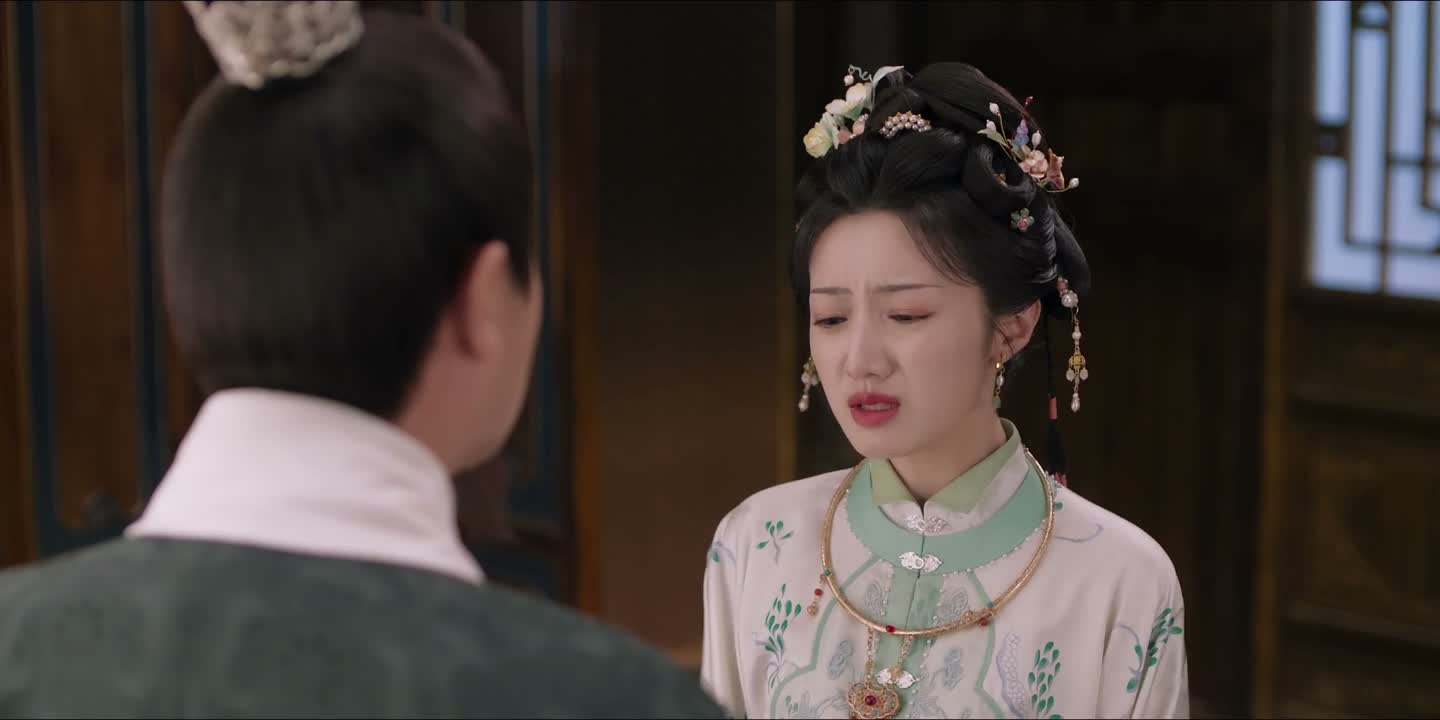
“You didn't know that”

“He definitely didn't see it. Didn't see it, didn't see it.”

“I didn't see anything. I swear I didn't.”