赔个不是 赔个不是啊
“Let me make it up to you.”
THE DIALOGUE REEL
不好意思 来来
“Sorry. Here.”
赔个不是 赔个不是 啊
“Let me make it up to you.”
那个实在是不好意思
“I'm really sorry.”
Direct spoken expression in this communicative setting.
Apologizing verbally in Chinese social situations is often about restoring relational harmony and offering face rather than purely admitting fault.
LEARNING CHUNKS & PARTICLES
to apologize; to say sorry
A colloquial northern idiom used when urging someone or offering oneself to apologize to ease tension.
Softens the imperative into an urgent yet friendly prompt or reminder.
VOCABULARY & EXPRESSIONS
Parallel Spoken Cinema Scenes (语义近邻切片)
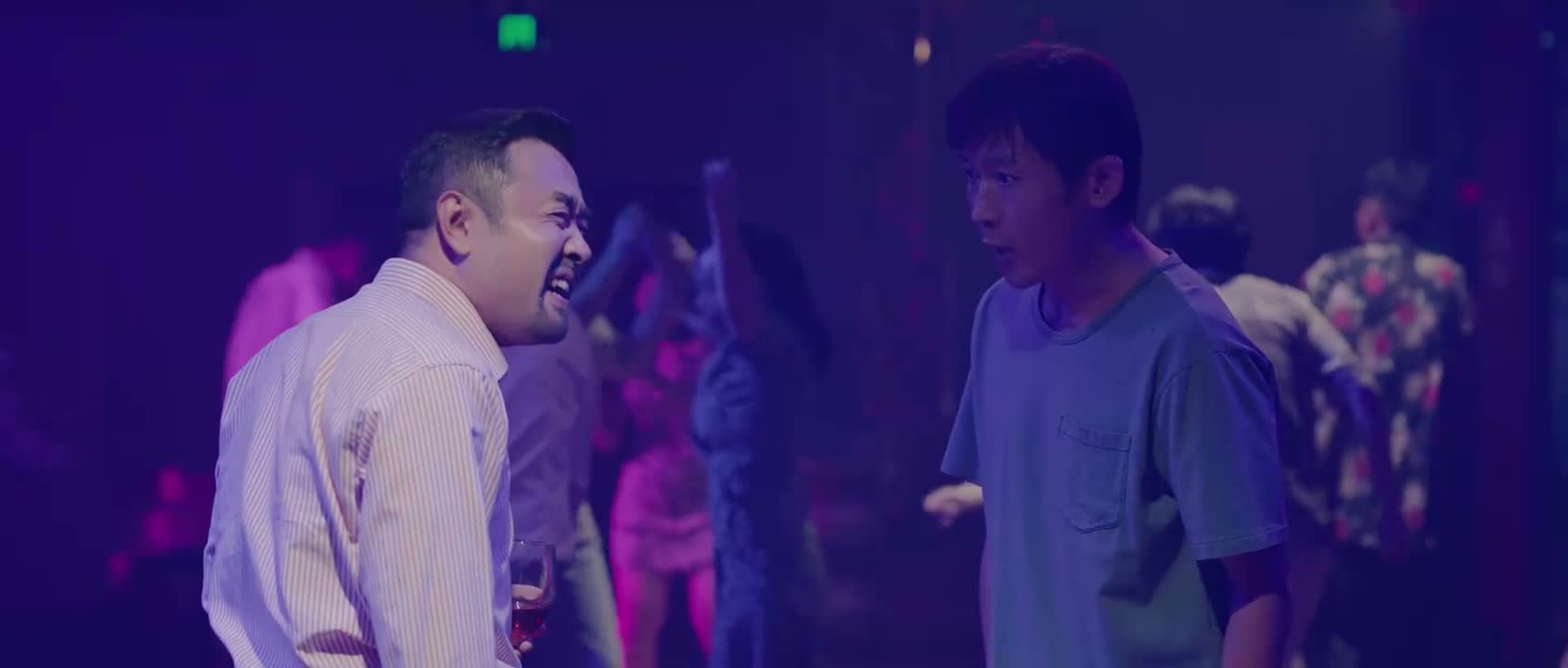
“I came to apologize for what happened earlier today.”

“Yeah. Let me apologize to you guys.”

“to both of you. Father.”
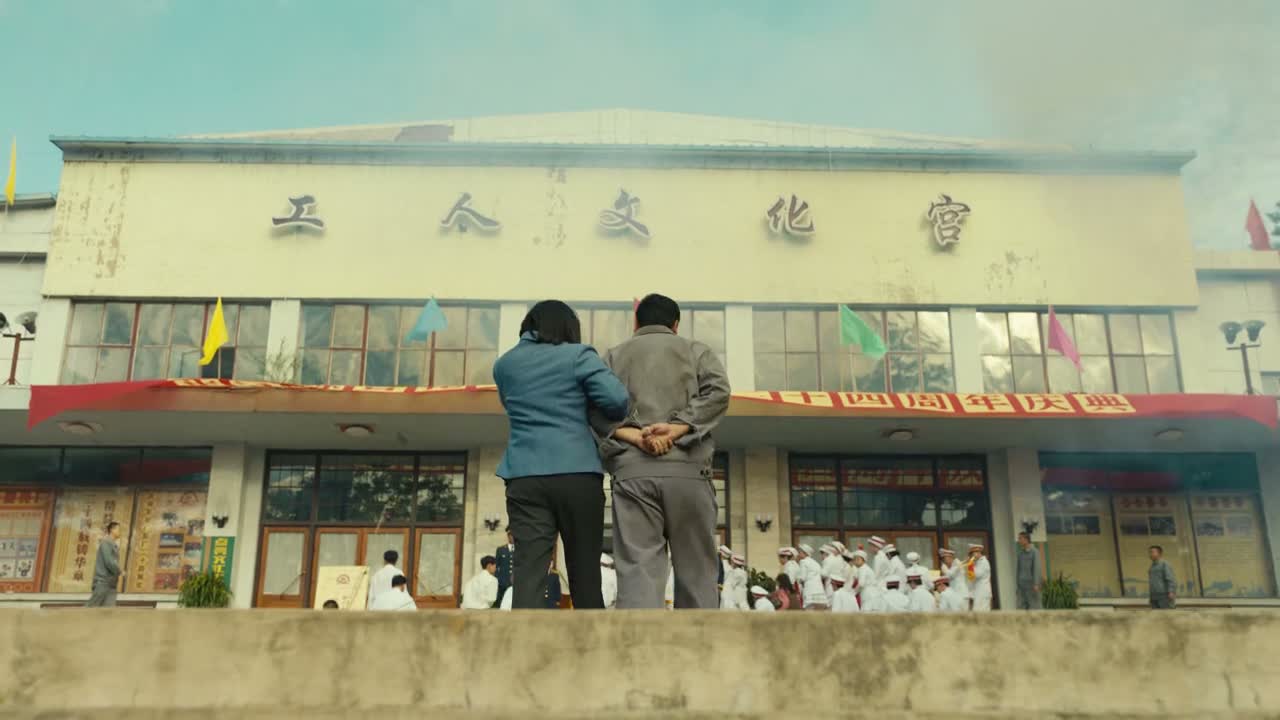
“you need to apologize properly.”