你自己照顾好自己 别太累了啊 对对对
“Take care of yourself. Don't over-exert yourself. Yes.”
THE DIALOGUE REEL
儿子 房子的事你不用着急 你不用为我们担心
“Son. Don't worry about the house. Don't worry about us.”
你自己 照顾好自己 别太累了 啊 对对对
“Take care of yourself. Don't over-exert yourself. Yes.”
“Dad, Mom, I have work to do. Bye. Okay. Sure.”
Direct spoken expression in this communicative setting.
Chinese parents frequently express deep emotional support not through direct declarations of love, but through continuous reminders to eat well and avoid overexertion.
LEARNING CHUNKS & PARTICLES
take good care of yourself
A very common caring imperative used between close family members or romantic partners when parting or concluding phone calls.
don't wear yourself out too much
Standard conversational reassurance and advice when expressing concern over someone's workload.
Marks a change of state or excessive degree in the negative imperative '别太累了'.
Adds an affectionate, caring, and gentle reminder tone to the sentence.
VOCABULARY & EXPRESSIONS
Parallel Spoken Cinema Scenes (语义近邻切片)
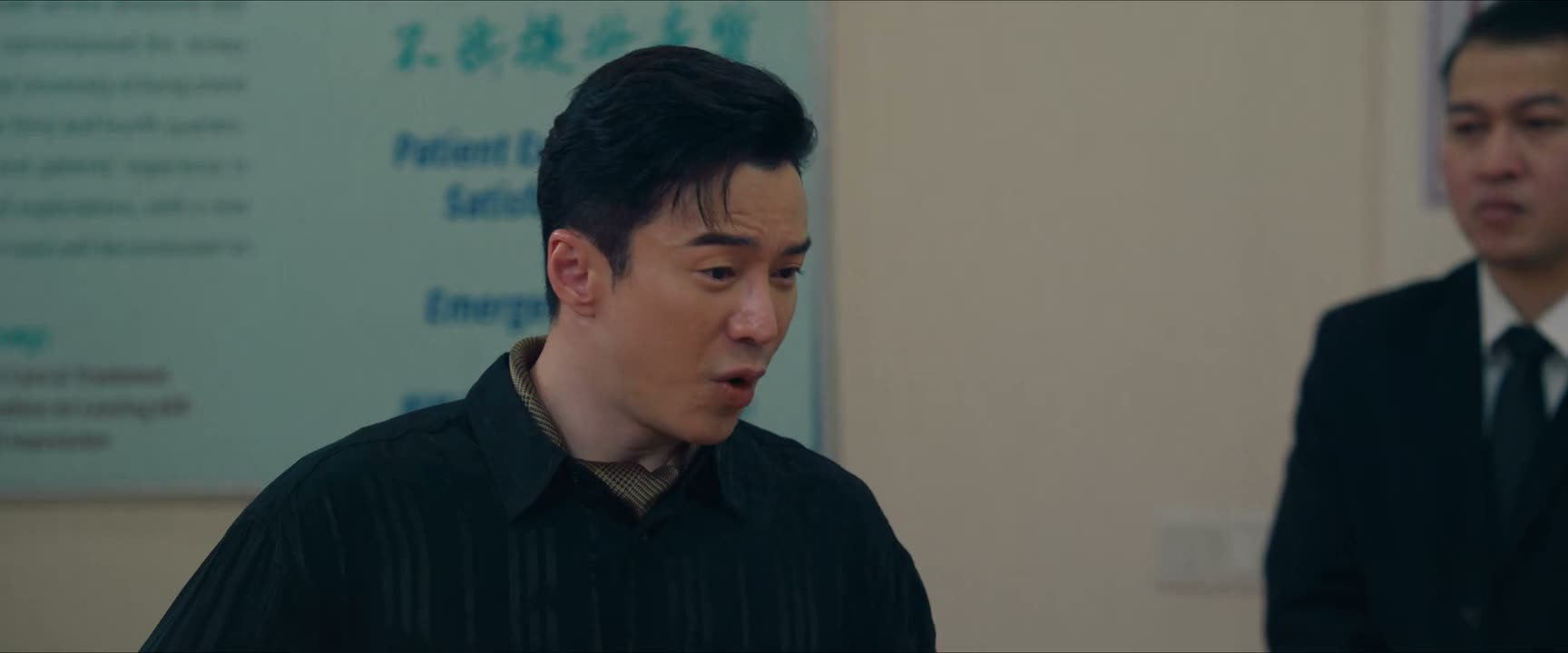
“take good care of yourself.”

“-Take good care of yourself! -Don't worry, Changyu!”

“Take good care of yourself, and focus on recovering.”
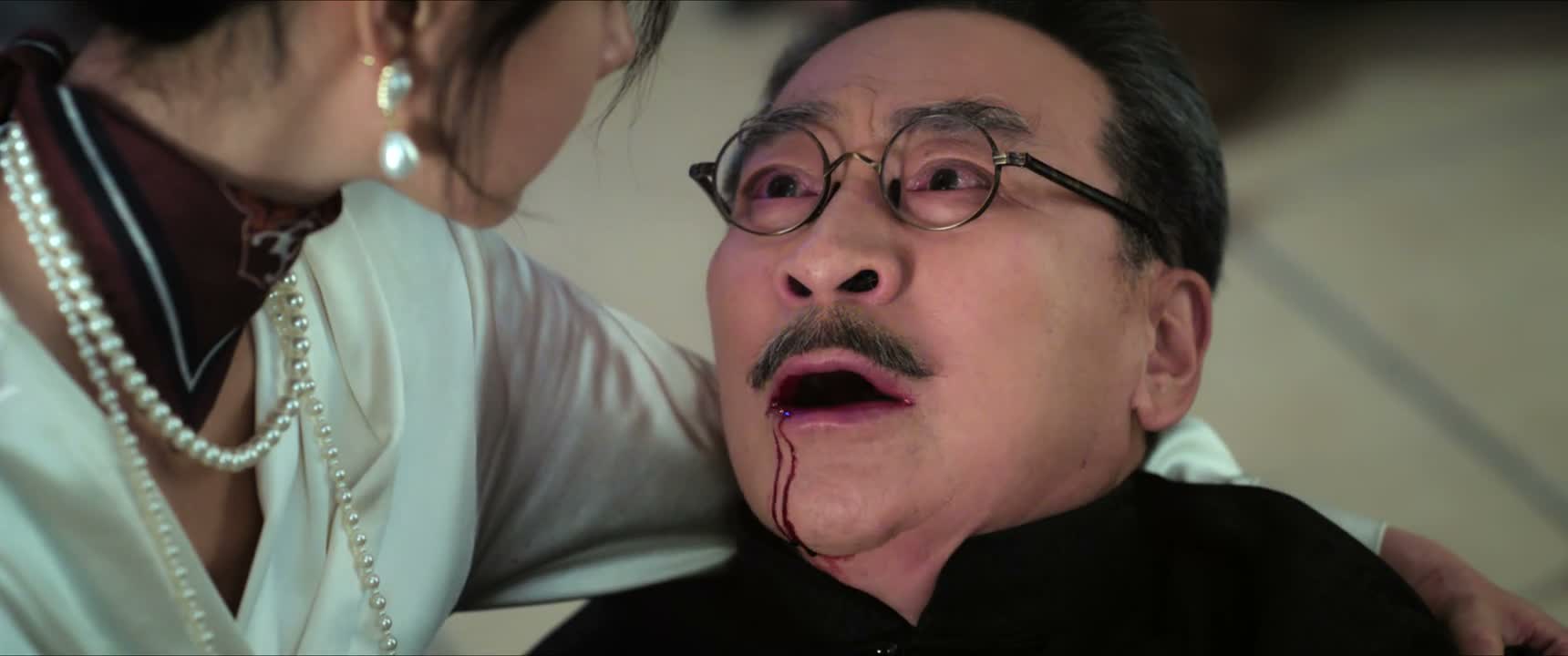
“You must take good care of yourself.”

“We should take better care of our health.”