你信不信 瘟神会把你带走的
“Do you believe the Plague will take you away?”
THE DIALOGUE REEL
你信不信 瘟神 会把你 带走 的
“Do you believe the Plague will take you away?”
“Keep this up and you are going to get yourself killed.”
Invoking ominous deities like the plague god serves as a cultural metaphor that moral transgression or cheating will provoke unavoidable karmic disaster.
LEARNING CHUNKS & PARTICLES
believe it or not / mark my words
A rhetorical device frequently used before issuing a threat, strong prediction, or provocative statement.
god of plague / bringer of misfortune
Often used colloquially to describe a jinx or an impending deadly disaster.
Used at the end of a sentence following '会' to reinforce certainty and conviction regarding a future outcome.
VOCABULARY & EXPRESSIONS
Parallel Spoken Cinema Scenes (语义近邻切片)

“Believe it or not, I'll dig your mother out and feed her to the dogs.”
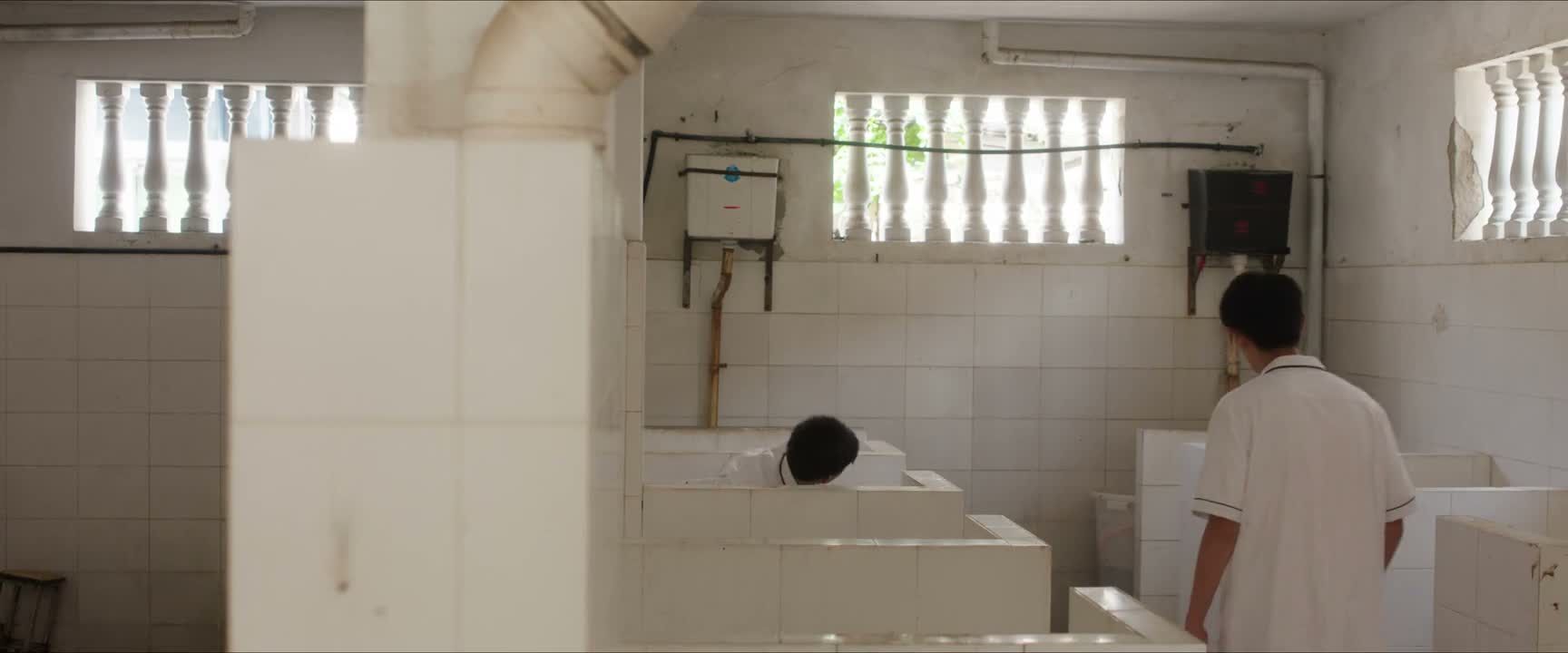
“Do you believe that I'll make your life miserable at this school?”

“What does it matter if you believe it or not? I saw it with my own eyes.”

“Do you believe I'll kill you right now? Do you dare?”

“I don't buy it. Suit yourself then.”

“even her entire fortune won’t cover the damages!”