挑动村民跟高启强闹事 你就不怕出问题 我没挑
“You shouldn't provoke the villagers to pick fights with Gao Qisheng. Things may go out of control! I didn't provoke anyone.”
THE DIALOGUE REEL
那我先走了
“I'm leaving.”
挑动村民跟高启强 闹事 你 就不怕 出问题 我没挑
“You shouldn't provoke the villagers to pick fights with Gao Qisheng. Things may go out of control! I didn't provoke anyone.”
他本来就这么想的 只不过需要有人 替他讲出来
“That's what he thinks. He just needs someone to speak his mind.”
“You provoked them, but don't blame me—I just gave them a nudge.”
In grassroots Chinese disputes, instigators often steer local villagers from behind the scenes while maintaining plausible deniability to evade police and legal crackdowns.
LEARNING CHUNKS & PARTICLES
to incite / to instigate
Used with a negative connotation to describe stirring up trouble or provoking unrest between parties.
make trouble / create a disturbance
Commonly used in spoken Chinese to describe public brawls, protests, or disruptions.
run into trouble / go wrong
A very frequent colloquial expression meaning something undesirable or risky has occurred.
VOCABULARY & EXPRESSIONS
Parallel Spoken Cinema Scenes (语义近邻切片)
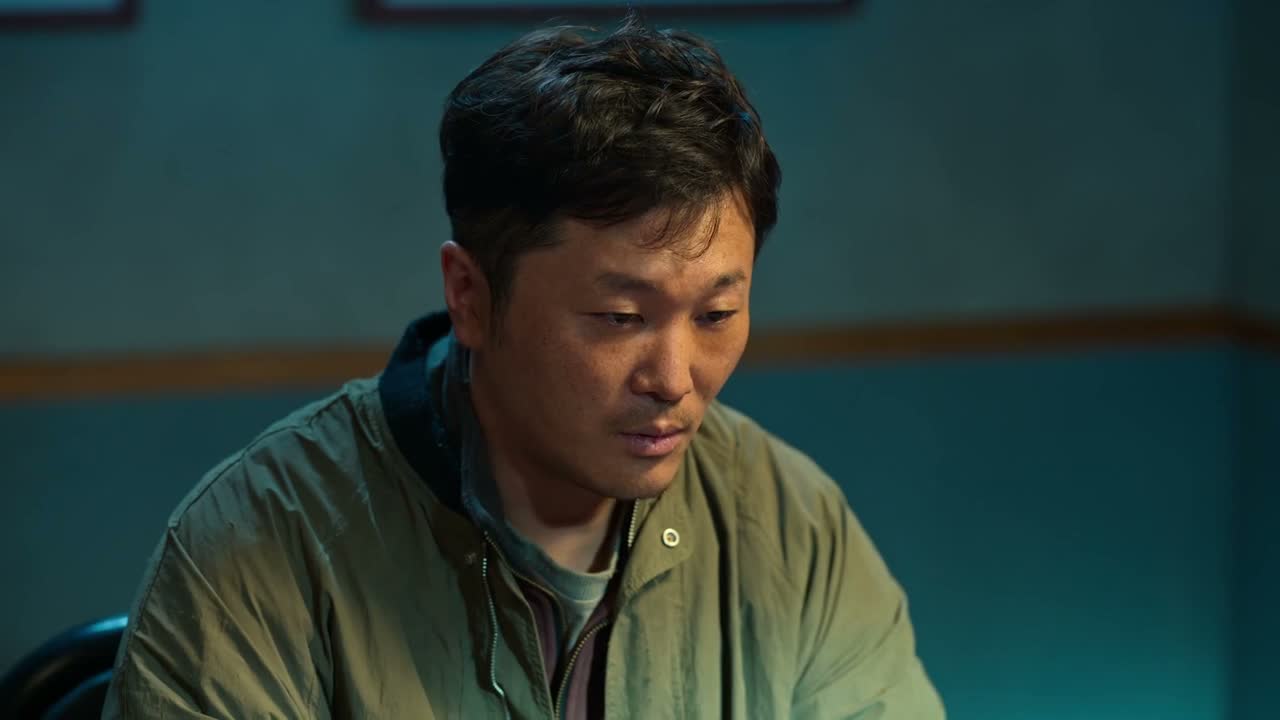
“I was scared by Gao Qiqiang.”

“Gao Qiqiang is so powerful. You should know better than to mess with him.”

“He has so many priors on his record. So it's not surprising at all”

“Gao Qiqiang gave you the house because he felt guilty? He gave it to you because he wanted to stop us”

“Gao Qiqiang is sophisticated. Things are complicated.”

“Although Gao Qiqiang is in prison, his men are still out there.”