出问题
chū wèn tíCommon spoken expression used by native Chinese speakers in daily life.
[Scene: 职场工作]
(8 clips) 00:02
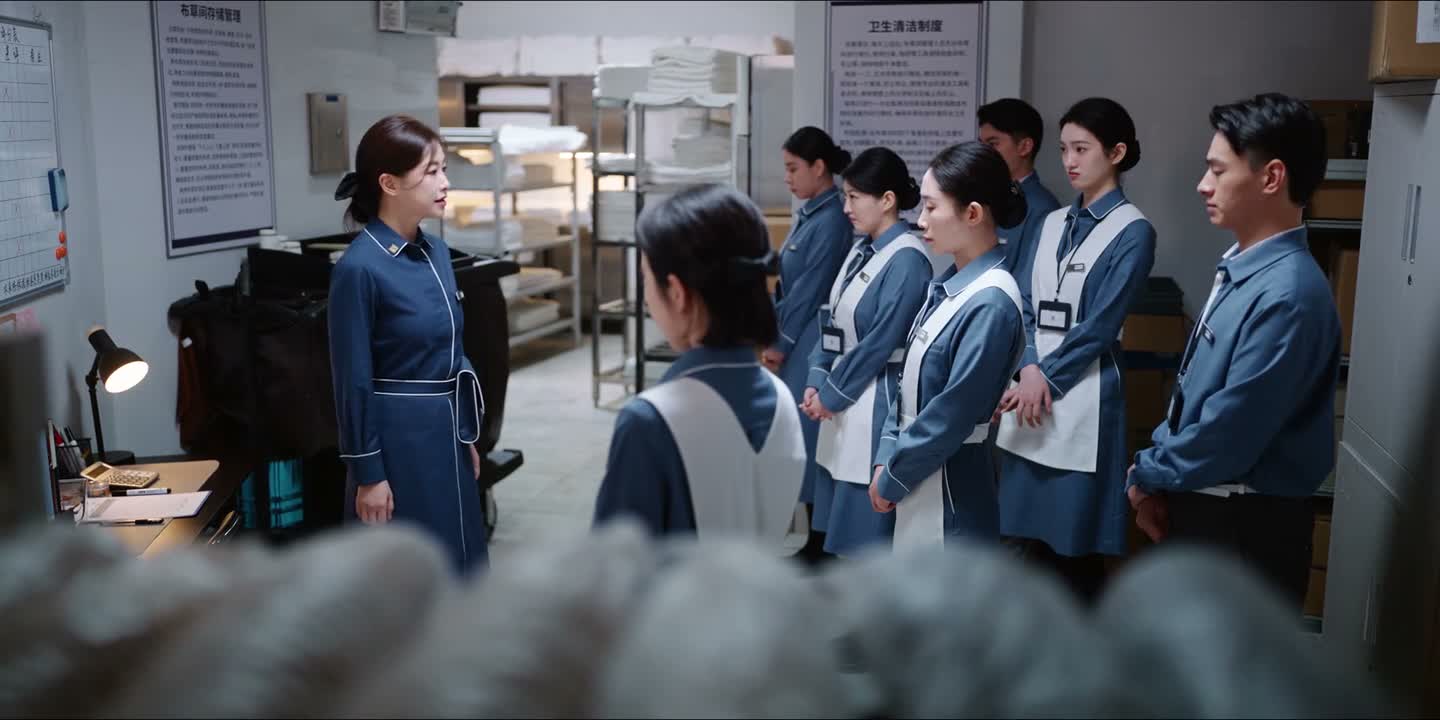 00:02
 00:03
(董事长) ── Previous context
“Doing it this way will really cause problems during the capital verification process.”
 00:03
(又被小白呛了一顿吧) ── Previous context
“Shao told me there's a problem with this pasture.”
 00:03
(我接受) ── Previous context
“But the root of the problem isn't that our cadres acted on a whim”
 00:02
(那主持人和嘉宾的衣服 定了就不会换了吗) ── Previous context
“Even if they're decided, couldn't something go wrong later?”
 00:03
(我接受) ── Previous context
“But the root cause is not our cadres acting rashly”
 00:03
[Scene: 其他场景]
(4 clips) 00:02
 00:03
(那我先走了) ── Previous context
“You shouldn't provoke the villagers to pick fights with Gao Qisheng. Things may go out of control! I didn't provoke anyone.”
 00:02
(你不能解决问题就罢了) ── Previous context
“But you can't try to eliminate the person who raised it, right?”
 00:02
[Scene: 其他场景]
(3 clips) 00:02
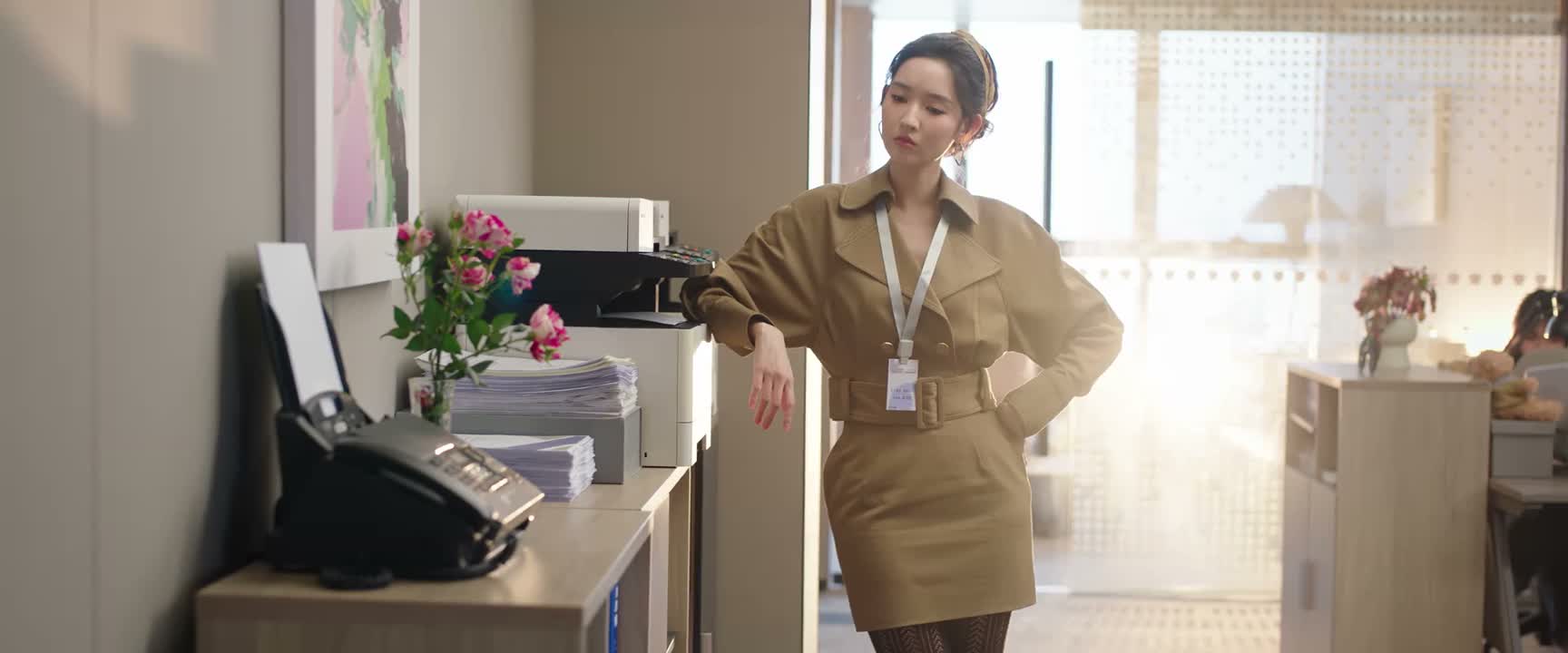 00:02
 00:03
(就你喊得最大声 我喊喊怎么了 老是停电) ── Previous context
“At this frequency, there must be a problem with the circuit itself.”
[Scene: 社交聚会]
(3 clips) 00:03
(你这也太夸张了 你们还年轻身体素质都这么好) ── Previous context
“Your genes are practically foolproof. There's no way your child would have problems.”
 00:02
 00:02
(老失联 那我拿去修呗 你修啥修啊) ── Previous context
“It's just a gift. How did it become a problem?”
[Scene: 其他场景]
(2 clips) 00:02
 00:02
[Scene: 商务沟通]
(1 clips) 00:02
(好好好我错了 我不说了) ── Previous context
“I figure there is something wrong with my mindset right now.”
[Scene: 家庭日常]
(1 clips) 00:03
(孩子就是孩子啊) ── Previous context
“You can only put forward problems, but you can't solve them.”
[Scene: 警匪刑侦]
(1 clips) 00:02
📌 放心
→Nuance: 安抚对方并承诺问题能搞定
📌 不好意思
→Nuance: 均指出电路出现故障
📌 怎么回事
→Nuance: 同向近义词根配对: [哪里 ↔ 哪儿]
📌 想办法
→Nuance: 换用保证不出问题宽慰对方
📌 好意思
→Nuance: 均指出电路出现故障
📌 不是
→Nuance: 文本完全相同
📌 解决问题
→Nuance: 同向近义词根配对: [解决 ↔ 处理]