对啊 这好好的怎么就炸了呢
“Right, why did it explode?”
THE DIALOGUE REEL
太可惜了 真的 好好的一个厂子就这么给炸了
“- What a shame. - Really. A factory's just gone like that.”
对啊 这 好好的怎么就 炸了 呢
“Right, why did it explode?”
那个孩子还那么小 是吧 就是啊
“That child was so young. Right? Exactly.”
Direct spoken expression in this communicative setting.
Using '好好的' followed by disaster highlights the fragile nature of stability and mirrors the Chinese cultural mindset of lamenting sudden, inexplicable calamities.
LEARNING CHUNKS & PARTICLES
in perfectly fine condition; all well and good
Reduplicated adjective used to contrast a normal, healthy prior state with a sudden tragic event.
how on earth could...; how did it suddenly...
Expresses utter disbelief, bewilderment, and suddenness regarding an unexpected negative outcome.
Softens the rhetorical question while signaling lingering bewilderment and sorrow.
Emphasizes agreement with the interlocutor's preceding statement.
VOCABULARY & EXPRESSIONS
Parallel Spoken Cinema Scenes (语义近邻切片)

“Something's not right. Why haven't they actually detonated it yet?”

“They're basically in a ring shape, right? We can leave them be and block these gaps, right?”

“Because they don't dare— they think something dangerous is down there. [III. Test Conclusions]”

“-He blew up the kitchen again. -He blew up the kitchen again.”
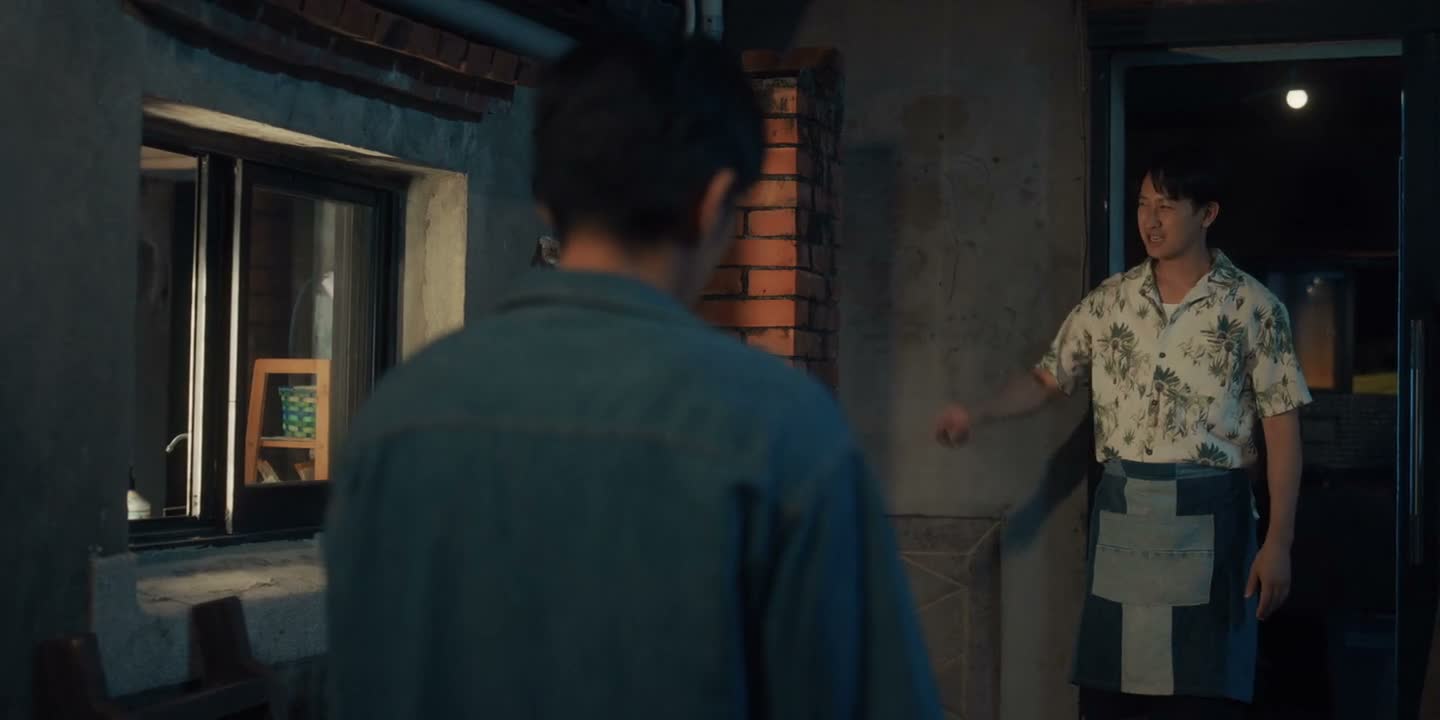
“I was worried he would blow up the whole kitchen.”

“I have? How?”