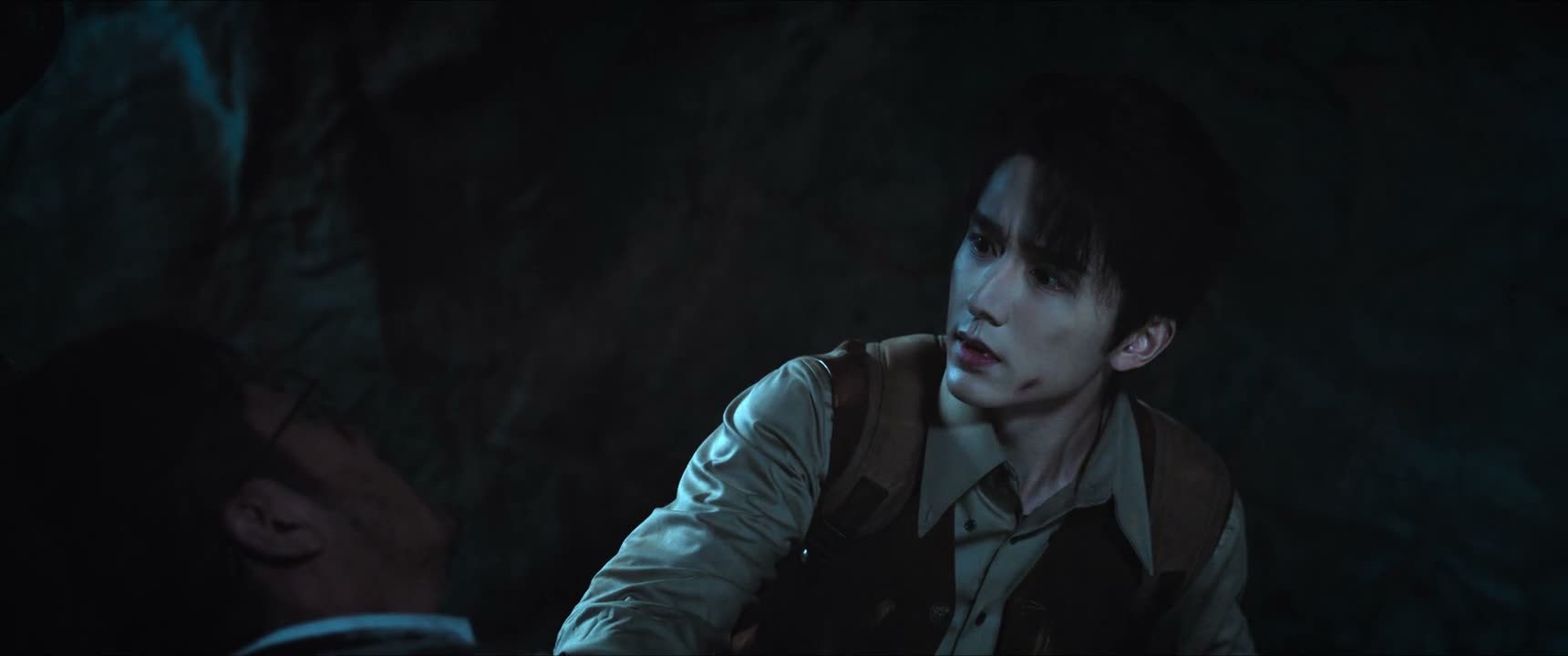
你说谁死了呢 你 你撒手啊 你 少爷
“Who did you say is dead? Let go of me! Young Master!”
THE DIALOGUE REEL
京城的骆寒璋 死了
“Luo Hanzhang in the Capital is dead.”
你说谁 死了 呢 你 你 撒手 啊 你 少爷
“Who did you say is dead? Let go of me! Young Master!”
你是不是有病呀 你 来 我再说一遍 你听着啊
“Are you crazy? Listen, I'll say it again. Listen carefully.”
“Don't you dare say he is dead, and get your hands off me!”
Abruptly declaring someone's death is emotionally volatile and considered taboo in Chinese interactions, frequently triggering defensive denial or violent outrage.
LEARNING CHUNKS & PARTICLES
let go; release one's grip
A very colloquial, direct command demanding someone physically unhand you.
Adds rhetorical force and indignation to the question, expressing disbelief and confrontation.
Intensifies the urgency of the command to let go.
VOCABULARY & EXPRESSIONS
Parallel Spoken Cinema Scenes (语义近邻切片)

“I thought you were dead.”

“Fuck you! I wish you died! [sobs]”

“Who told you he's dead? Who told you he's dead? I see him every day.”
“why are you still cursing when you're about to die?”

“Is this what Xie Jiu meant by saying you're dying?”

“It's still unknown who will win.”