太乖的小子不成器 前两日俞大勇将军回京述职
“Too obedient a boy won't amount to anything. General Yu Dayong returned to the Capital a few days ago to report on his duties.”
THE DIALOGUE REEL
“I'll help you open Luo's Ink Shops in every part of the world.”
太 乖的 小子 不成器 前两日俞大勇将军回京述职
“Too obedient a boy won't amount to anything. General Yu Dayong returned to the Capital a few days ago to report on his duties.”
“Wenqian looks like a good boy. He dropped by our house on the way.”
“Don't fret over him being unruly; boys need grit and spirit to accomplish great things.”
Traditional Chinese culture often values resilience and assertiveness in boys, viewing excessive docility ('太乖') as a hindrance to achieving prominent social or official status ('成大器').
LEARNING CHUNKS & PARTICLES
amount to nothing / good-for-nothing
Derived from classical idiom; used commonly to describe someone who fails to develop useful talents or success.
return to the capital to report on duties
A formal administrative term used in historical or bureaucratic contexts for officials reporting back to imperial headquarters.
VOCABULARY & EXPRESSIONS
Parallel Spoken Cinema Scenes (语义近邻切片)

“The kid is unruly. The young one is no better.”

“Is he all right? - Dangerous. - Is he fine? Be very careful.”

“Arrogant young man.”

“Young Master, this is bad. (Ultimate Joy) The master was caught”
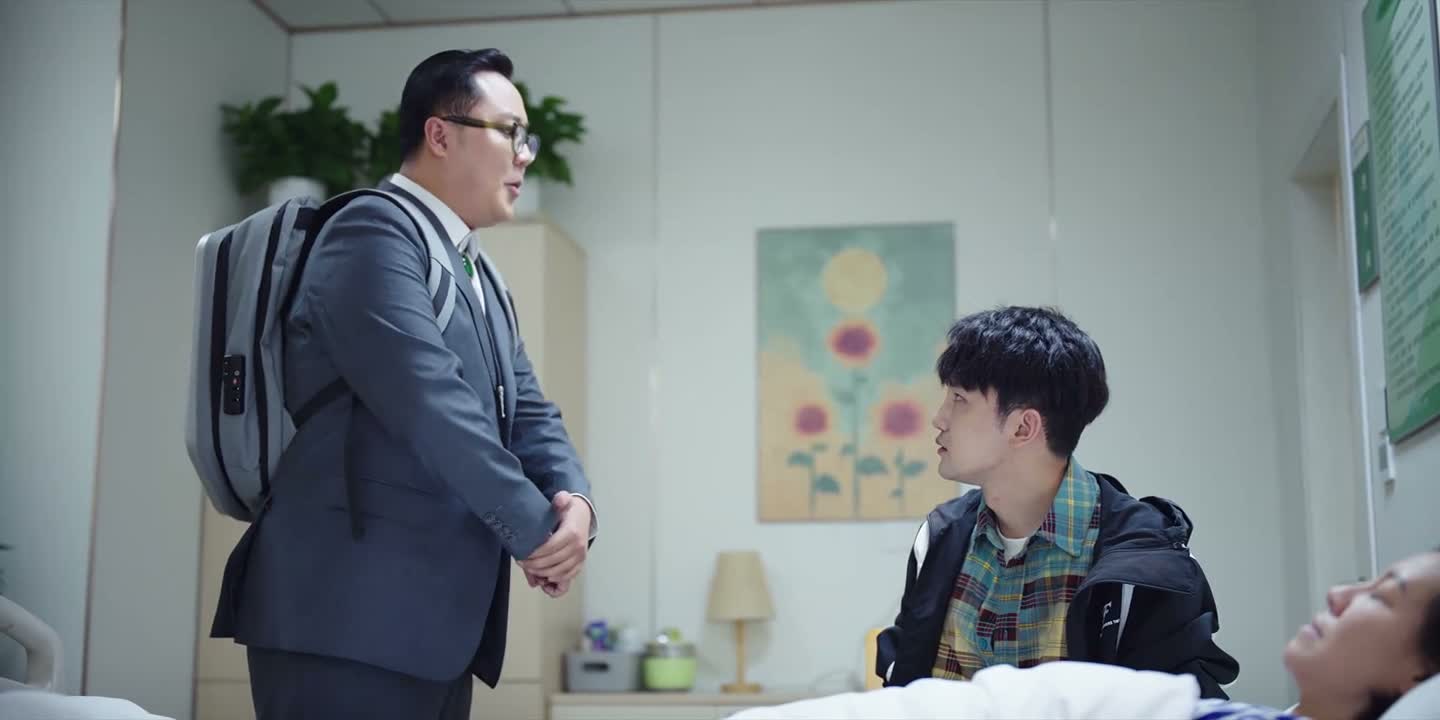
“Mischievous since childhood, disobedient.”

“Wei is a very stubborn child.”