小少爷 没事吧 太危险了 没事吧 你们小心一点
“Is he all right? - Dangerous. - Is he fine? Be very careful.”
THE DIALOGUE REEL
我的球 我的球 小少爷 别过去 快回来 小少爷
“- My ball. - Young Master, don't go. Don't go there. Come back. Young Master.”
小 少爷 没事吧 太危险了 没事吧 你们 小心一点
“Is he all right? - Dangerous. - Is he fine? Be very careful.”
我的球 走了 走了
“My ball. Let's go.”
Direct spoken expression in this communicative setting.
Attendants and caretakers faced severe punishment if a noble child ('少爷') was injured, explaining the panicked concern over minor hazards.
LEARNING CHUNKS & PARTICLES
Are you alright? / Is everything okay?
The default phrase in Chinese to express concern immediately after an accident or shock.
That's too dangerous!
Used as an urgent exclamation during or right after a hazardous event.
be a bit more careful
A common admonition or warning given to prevent accidents.
Softens the inquiry, seeking immediate reassurance from the listener.
Acts as an exclamatory completion marker emphasizing the severity of the danger.
VOCABULARY & EXPRESSIONS
Parallel Spoken Cinema Scenes (语义近邻切片)
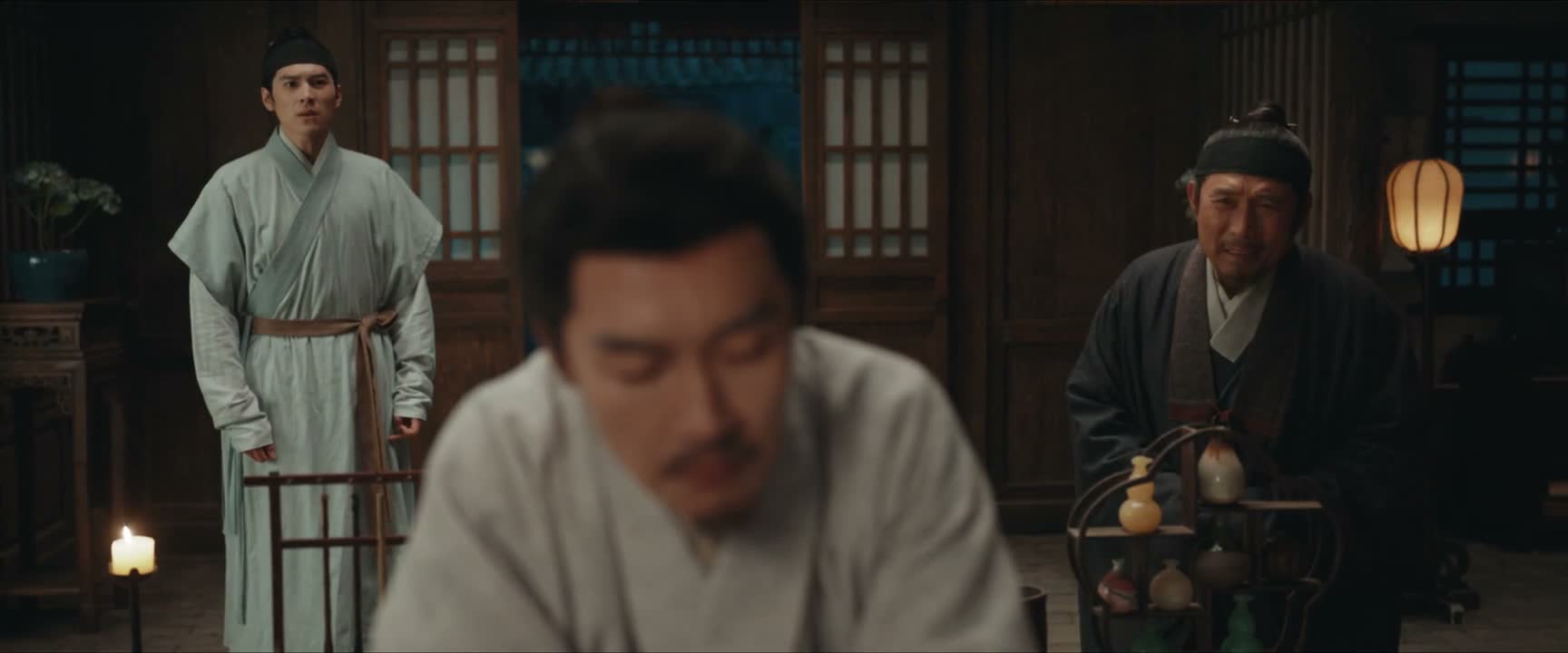
“Young Master, please don't be angry.”

“-My young master's in critical condition! -Please make way! What happened?”

“Without the Eldest Young Master present, this goes against the rules.”

“And because of that, our young master burned his mouth on tea. Now he's throwing a tantrum at me.”

“How come you can't do anything right? You've really started acting like some young master.”

“You are the Elder Young Master. I've seen your photo in the Group's files.”