MC
MandarinClips Cinema Corpus
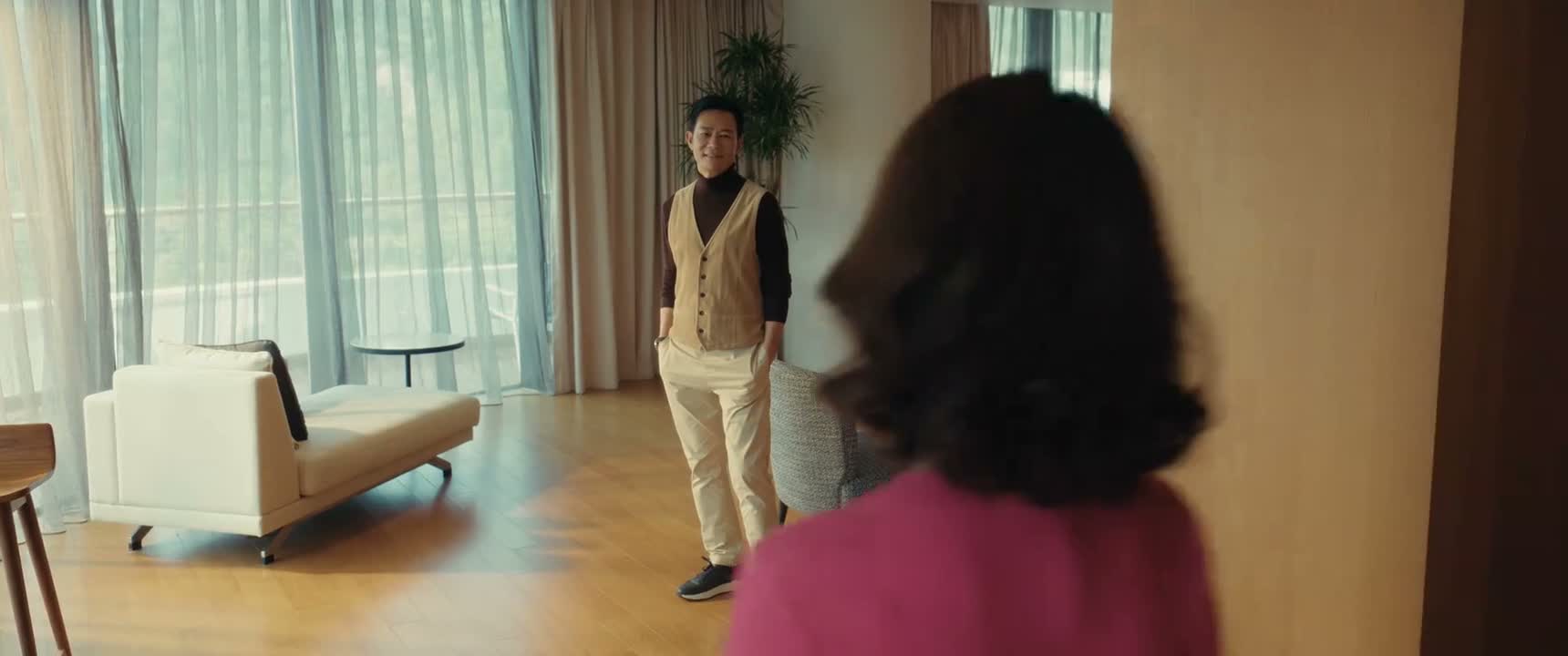
《The Lead》 S1·E32 (05:38) HSK 4
nǐ zuó tiān bú shì dā yìng guò wǒ bù lái le ma

你昨天不是答应过我不来了吗

“Didn't you promise me yesterday not to come?”

《The Lead》 S1·E32
TIMECODE: 05:38 · 1080P MASTER AUDIO

THE DIALOGUE REEL

1+1+1 SPOKEN CONTINUITY
[-1] PREVIOUS TURN míng bái

明白

“Got it.”

nǐ zuó tiān bú shì dā yìng guò wǒ bù lái le ma CURRENT FOCUS

你昨天 不是 答应过我 不来了 吗

“Didn't you promise me yesterday not to come?”

[+1] FOLLOW-UP TURN zhè cái gāng guò yè nǐ zǎ jiù zì jǐ pǎo lái le

“It's only been one night. Why did you show up here?”

Subtitles synced to millisecond timecode Browse Show Clips →
Scene: Daily Life
Function: DEMANDING EXPLANATION
Tone: REPROACHFUL
Emotion: FRUSTRATION
WHAT THEY REALLY MEAN (PRAGMATIC SUBTEXT)
“You gave me your word, so why are you standing here right now?”
💡 Cultural Insight: Rhetorical Confrontation in Intimate Relations

In close Chinese relationships, people often use negative rhetorical questions like 'búshì... ma' to challenge someone's behavior directly without polite hedges.

INTENT TAGS: #reproach #holding_accountable #challenging #questioning
🧩

LEARNING CHUNKS & PARTICLES

2 CHUNKS · 1 PARTICLES
不是……吗 SPOKEN CHUNK

didn't you / isn't it the case that...

Use this rhetorical question frame to point out an inconsistency or remind someone of a previous agreement.

答应过 SPOKEN CHUNK

promised / agreed to before

Used with the aspect particle 'guo' to emphasize that a verbal promise was undeniably established in the past.

Modal Particle「吗」 (ma) CHANGE OF STATE

Marks a rhetorical question that carries a strong tone of reproach and reminders rather than seeking genuinely unknown information.
🏮

VOCABULARY & EXPRESSIONS

3 EXPR · 4 GRAMMAR
CROSS-CINEMA CORPUS BOARD · PARALLEL SCENES

Parallel Spoken Cinema Scenes (语义近邻切片)

EXPLORE BY SEMANTIC SIMILARITY
《The Lead》 S1·E32 (05:38) · Authentic Cinema Dialogue Corpus