没听见井上先生和你说话吗
“Didn't you hear Mr. Inoue speaking to you?”
THE DIALOGUE REEL
“Please give us a reasonable explanation.”
没听见 井上先生和 你说话 吗
“Didn't you hear Mr. Inoue speaking to you?”
井上昭
“Inoue Akira.”
“Pay attention and answer him right now.”
In hierarchical East Asian power structures, ignoring an elder or superior when addressed is considered an intolerable sign of defiance.
LEARNING CHUNKS & PARTICLES
didn't hear / didn't you hear
Used rhetorically in spoken Chinese to reprimand someone who is ignoring another person.
speaking to you / talking with you
Standard spoken phrase to denote addressing someone directly.
Forms a rhetorical question that carries a sharp, rebuking undertone rather than an open inquiry.
VOCABULARY & EXPRESSIONS
Parallel Spoken Cinema Scenes (语义近邻切片)
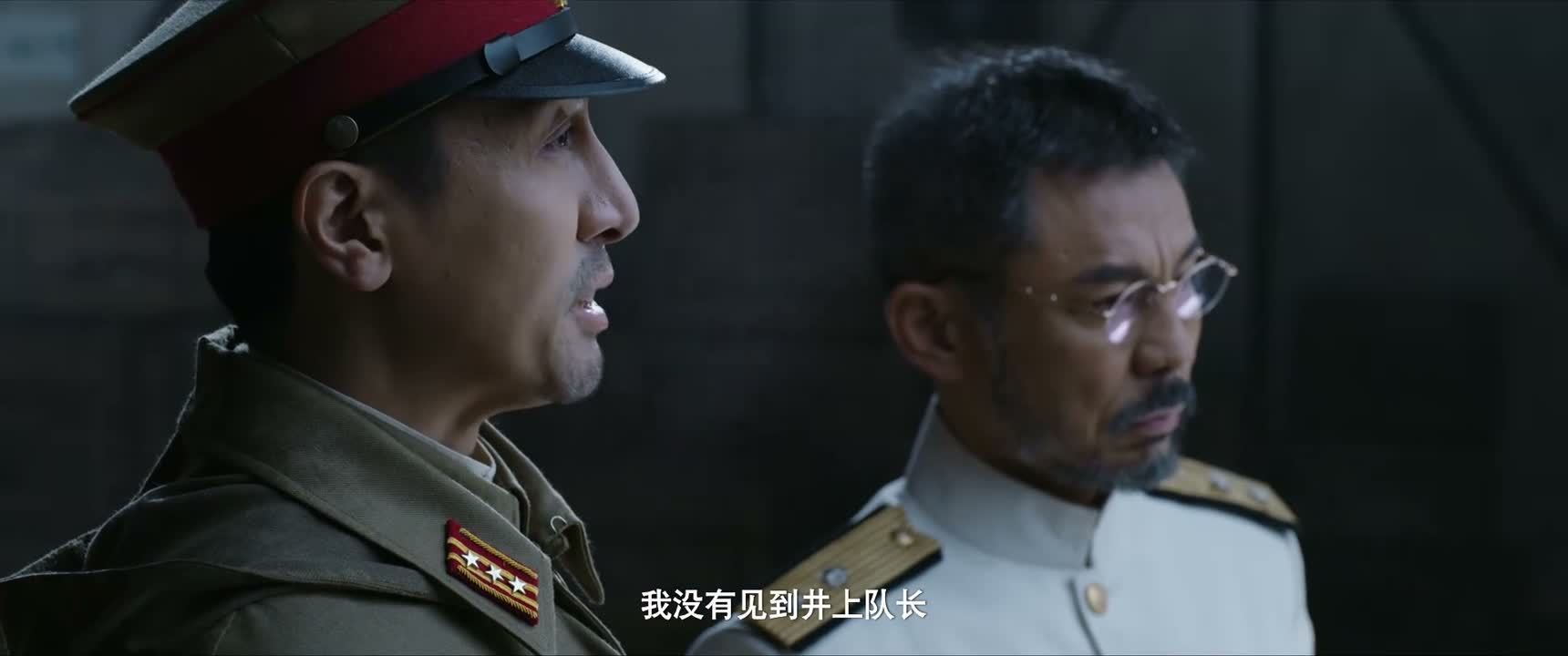
“I did not see Captain Inoue.”
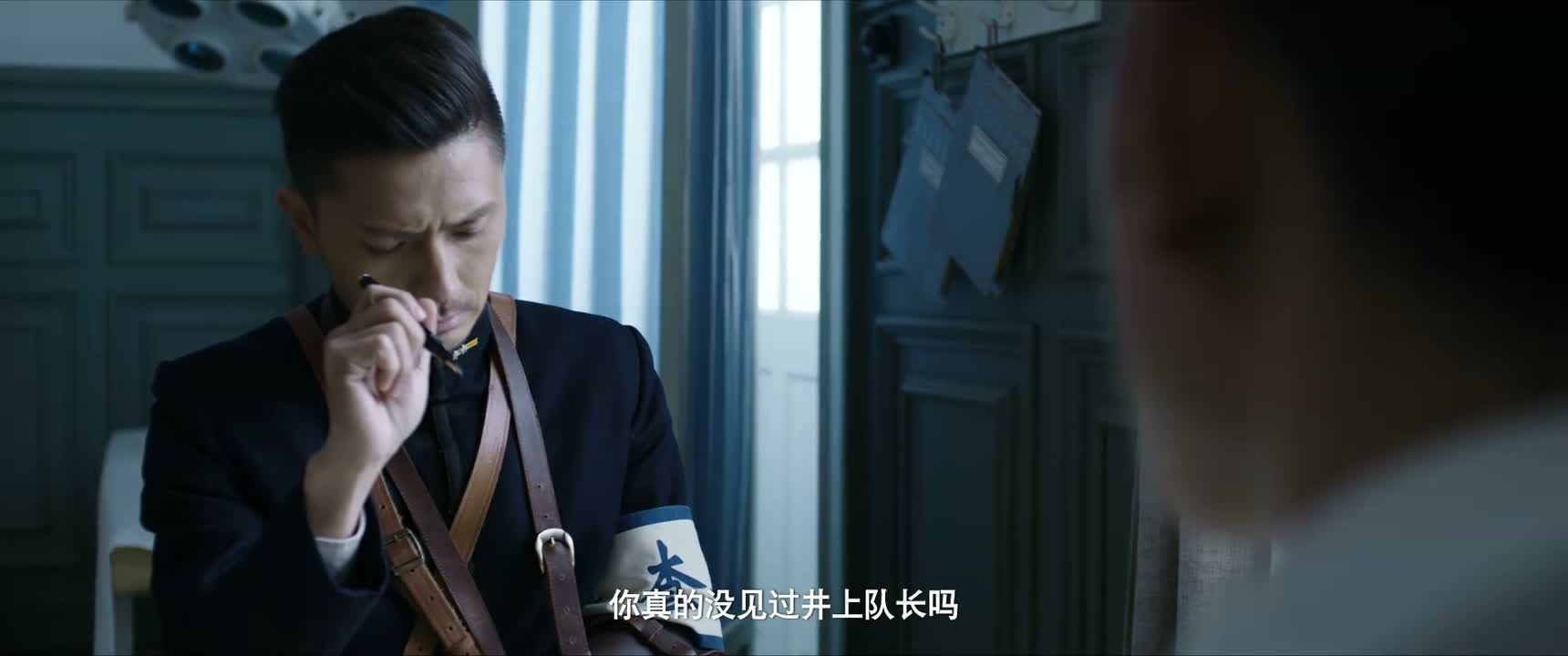
“Did you really not see Captain Inoue?”

“did you see Vice Captain Inoue?”
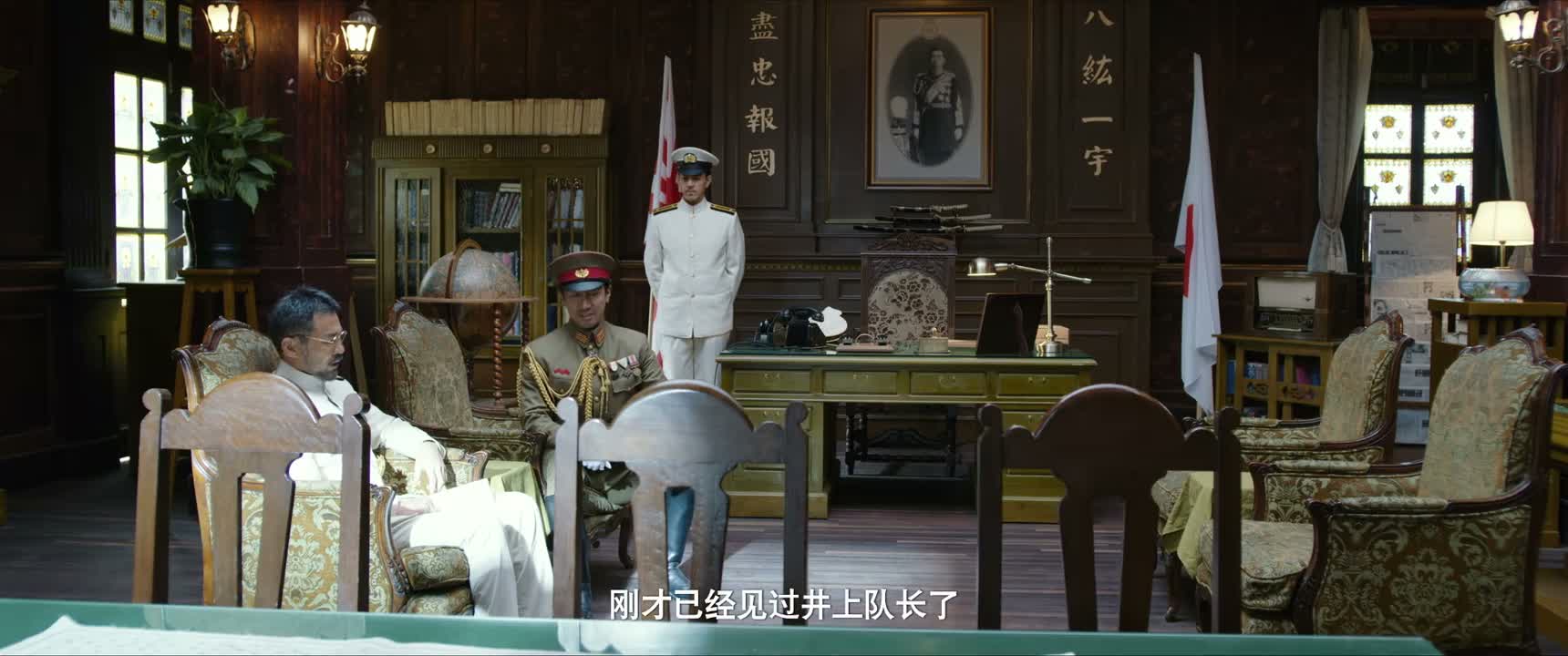
“I've already met Captain Inoue.”
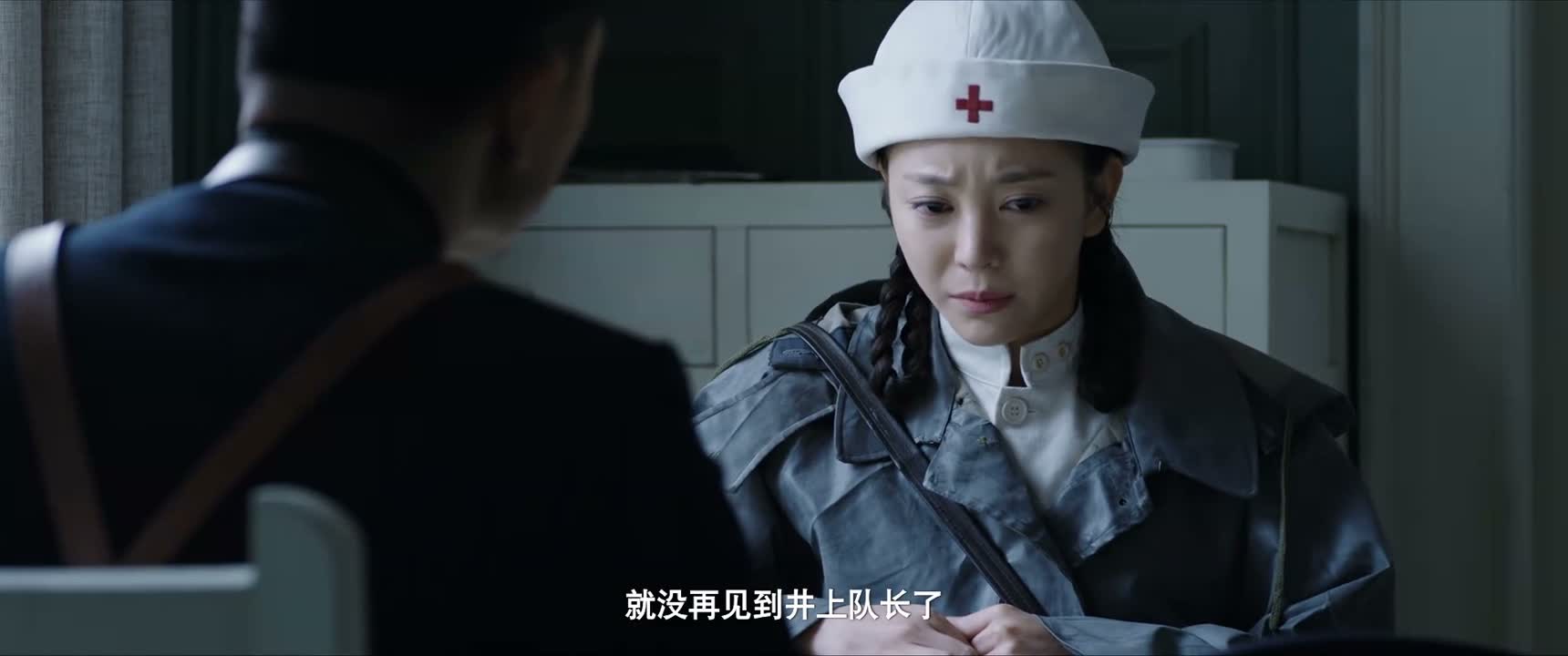
“So I didn't see Captain Inoue again”

“Are you listening?”