MC
MandarinClips Cinema Corpus
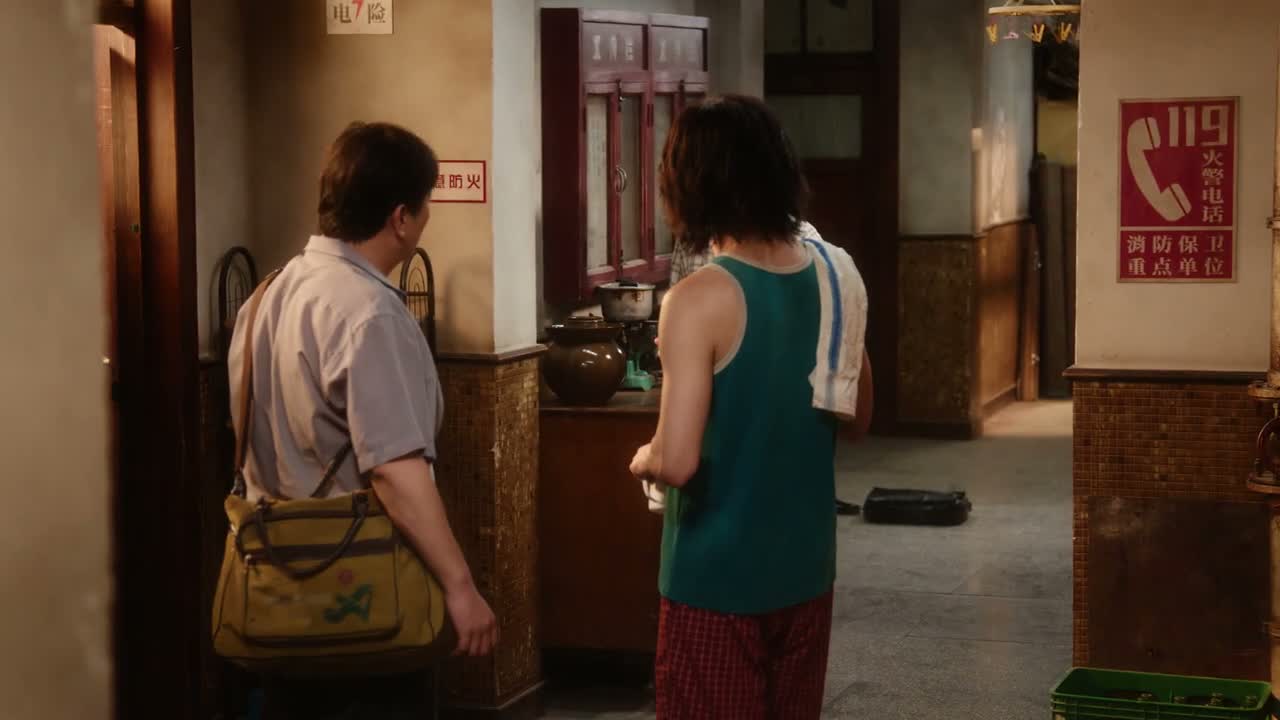
《Love Has Fireworks》 S1·E27 (29:34) HSK 5
nǐ gàn má nǐ bié guò lái nǐ gàn shén me nǐ bié pèng wǒ

你干吗 你别过来 你干什么 你别碰我

“What are you doing? Don't come over. What are you doing? Don't touch me.”

《Love Has Fireworks》 S1·E27
TIMECODE: 29:34 · 1080P MASTER AUDIO

THE DIALOGUE REEL

1+1+1 SPOKEN CONTINUITY
[-1] PREVIOUS TURN shì shàng dà duō shù de nán hái zi nà dōu shì mā bǎo nán

“most sons would be mama's boys, too.”

nǐ gàn má nǐ bié guò lái nǐ gàn shén me nǐ bié pèng wǒ CURRENT FOCUS

你干吗 你别过来 你干什么 你 别碰我

“What are you doing? Don't come over. What are you doing? Don't touch me.”

[+1] FOLLOW-UP TURN nǐ gàn má nǐ bié pèng wǒ mā mā mā wǒ cuò le cuò le cuò le

你干吗 你别碰我 妈妈妈 我错了 错了 错了

“What are you doing? Don't touch me. Mom. I was wrong.”

Subtitles synced to millisecond timecode Browse Show Clips →
Scene: Family & Home
Function: DEFENSIVE REJECTION
Tone: DEFENSIVE
Emotion: FEAR
WHAT THEY REALLY MEAN (PRAGMATIC SUBTEXT)

Direct spoken expression in this communicative setting.

💡 Cultural Insight: Domestic Disciplinary Dynamics

In Chinese households, dramatic physical posturing or playful scolding often prompts immediate theatrical cries of defense before pleading for mercy.

INTENT TAGS: #defensiveness #resistance #physical boundary #plea
🧩

LEARNING CHUNKS & PARTICLES

2 CHUNKS · 0 PARTICLES
你干吗 SPOKEN CHUNK

What are you doing? / What's wrong with you?

A very common spoken reaction expressing alarm, suspicion, or annoyance when someone acts unexpectedly.

别碰我 SPOKEN CHUNK

Don't touch me

Direct, visceral imperative used to assert personal boundaries or evade physical discipline/aggression.

🏮

VOCABULARY & EXPRESSIONS

4 EXPR · 0 GRAMMAR
CROSS-CINEMA CORPUS BOARD · PARALLEL SCENES

Parallel Spoken Cinema Scenes (语义近邻切片)

EXPLORE BY SEMANTIC SIMILARITY
《Love Has Fireworks》 S1·E27 (29:34) · Authentic Cinema Dialogue Corpus