没事 没事 客气啥呀 都自己家人
“No problem. Don't mention it. We're all family.”
THE DIALOGUE REEL
三哥 小伟 谢谢你们了
“San, Wei, thank you all.”
没事 没事 客气啥 呀 都 自己家人
“No problem. Don't mention it. We're all family.”
对了 我刚才来的时候看到 我发现那边
“By the way, when I came over just now, I noticed a place over there—”
“You do not need to thank us; treating us like outsiders by being polite hurts our close bond.”
In Chinese culture, excessive politeness between close family or friends is seen as creating artificial distance; true closeness means help is given without expectation of formal gratitude.
LEARNING CHUNKS & PARTICLES
Why be so polite?; No need for formalities.
A warm, informal way to reject thanks from friends or relatives to emphasize closeness.
One's own family; our own people.
Refers to members of the close inner circle where formal social etiquette is considered superfluous.
Softens the rhetorical question and conveys warmth and intimacy.
VOCABULARY & EXPRESSIONS
Parallel Spoken Cinema Scenes (语义近邻切片)

“It's nothing.”

“No, nothing.”

“- It's okay. - Not embarrassed at all! They're having a nice chat.”

“It's all right.”
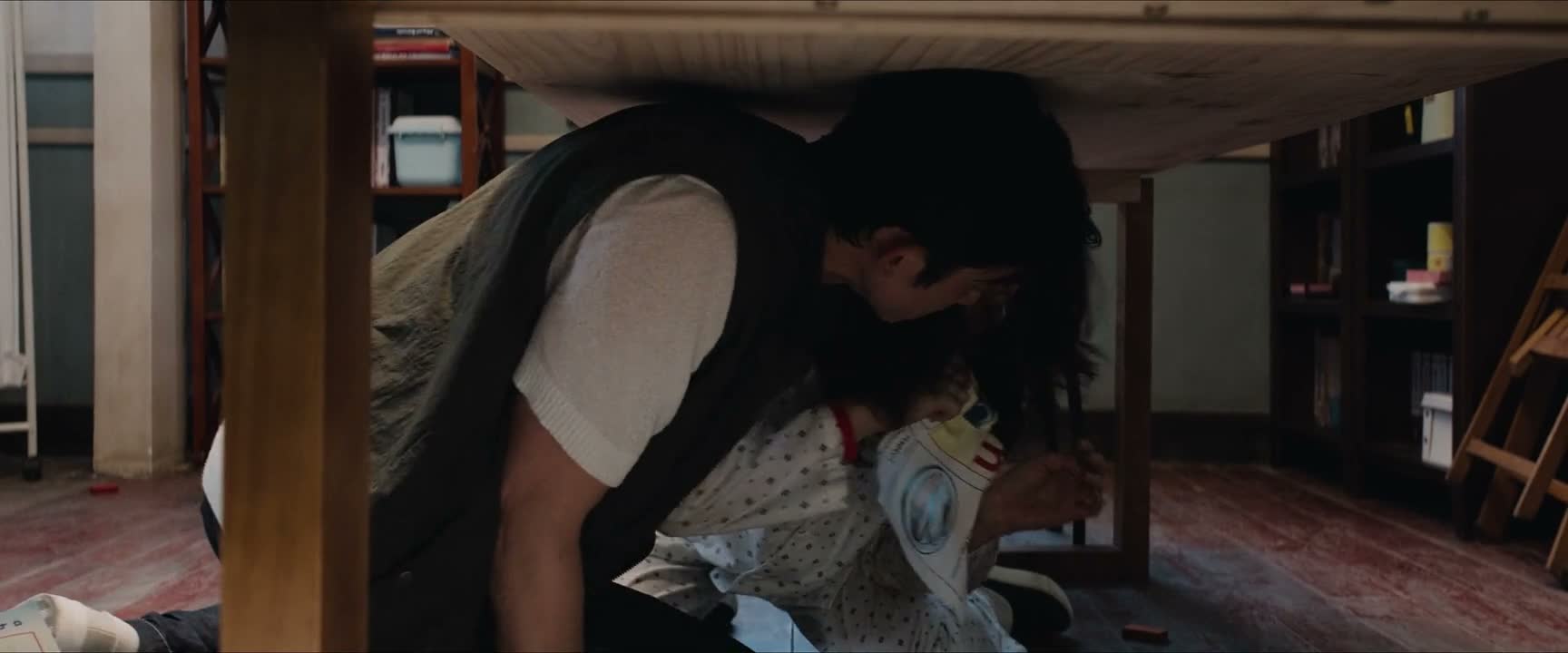
“It's okay. It's okay.”

“It's okay. It's okay. Don't worry. Don't worry. It's safe.”