若不是我去问 他们还没发现丢了一桶
“If I hadn't asked, they wouldn't even have noticed a bucket was missing.”
THE DIALOGUE REEL
那桐油是尚功局制作油衣所用的
“The tung oil came from the Palace Workshop Service. They use it to make oilcloth garments.”
若不是 我去 问 他们 还没 发现 丢了一桶
“If I hadn't asked, they wouldn't even have noticed a bucket was missing.”
“So they don't know how or when it went missing.”
“Those people are completely clueless and negligent; if not for me, nobody would even know.”
Imperial household bureaus managed vast inventories, and internal negligence or theft was severely punished, making timely discovery critical for investigators.
LEARNING CHUNKS & PARTICLES
if not for; had it not been for
Used at the start of a clause to express a counterfactual condition, highlighting an essential intervention.
still haven't noticed / had not realized
Useful pattern to emphasize someone's lack of awareness about an existing problem.
VOCABULARY & EXPRESSIONS
Parallel Spoken Cinema Scenes (语义近邻切片)

“If the adults cannot find them,”

“And if we can't find them? If we can't,”

“Otherwise, how would he know that the evidence box was missing evidence?”
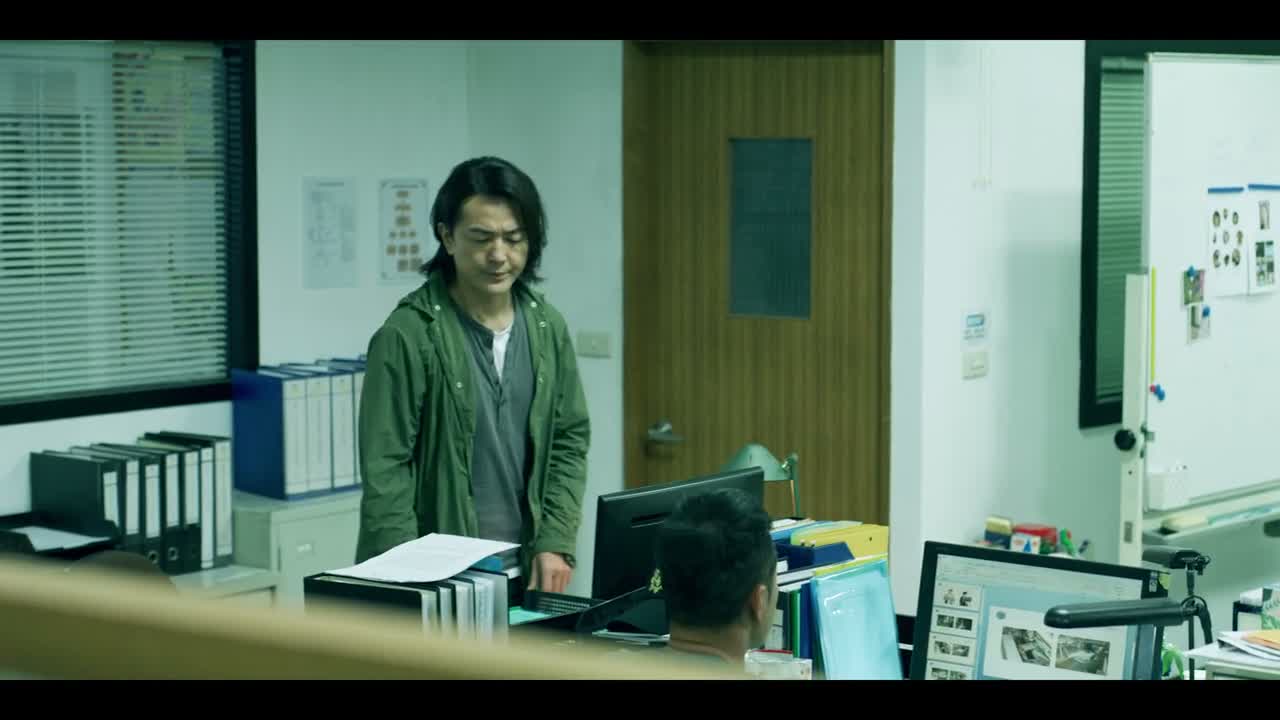
“- [officer] Couldn't find anything. - Thank you.”

“So they don't know how or when it went missing.”

“Would you notice if I went missing?”