怎么回事啊 不是让你们接住我吗
“What's going on? Weren't you supposed to catch me?”
THE DIALOGUE REEL
“It feels good. Give my shoulders a massage.”
怎么回事啊 不是 让你们接住我 吗
“What's going on? Weren't you supposed to catch me?”
你怎么在这啊
“What are you doing here?”
Direct spoken expression in this communicative setting.
Using rhetorical questions like 'didn't I tell you to' signals immediate blame and informal hierarchy.
LEARNING CHUNKS & PARTICLES
what's going on / what happened
A standard spoken phrase used to demand an immediate explanation when something goes wrong.
didn't I tell you to...?
A rhetorical question pattern used to reproach someone for failing to follow instructions.
Heightens urgency and exasperation in the initial question.
Marks the rhetorical question demanding accountability.
VOCABULARY & EXPRESSIONS
Parallel Spoken Cinema Scenes (语义近邻切片)

“So, you took it? I took it. How else would we survive?”

“have all been gently held by you.”
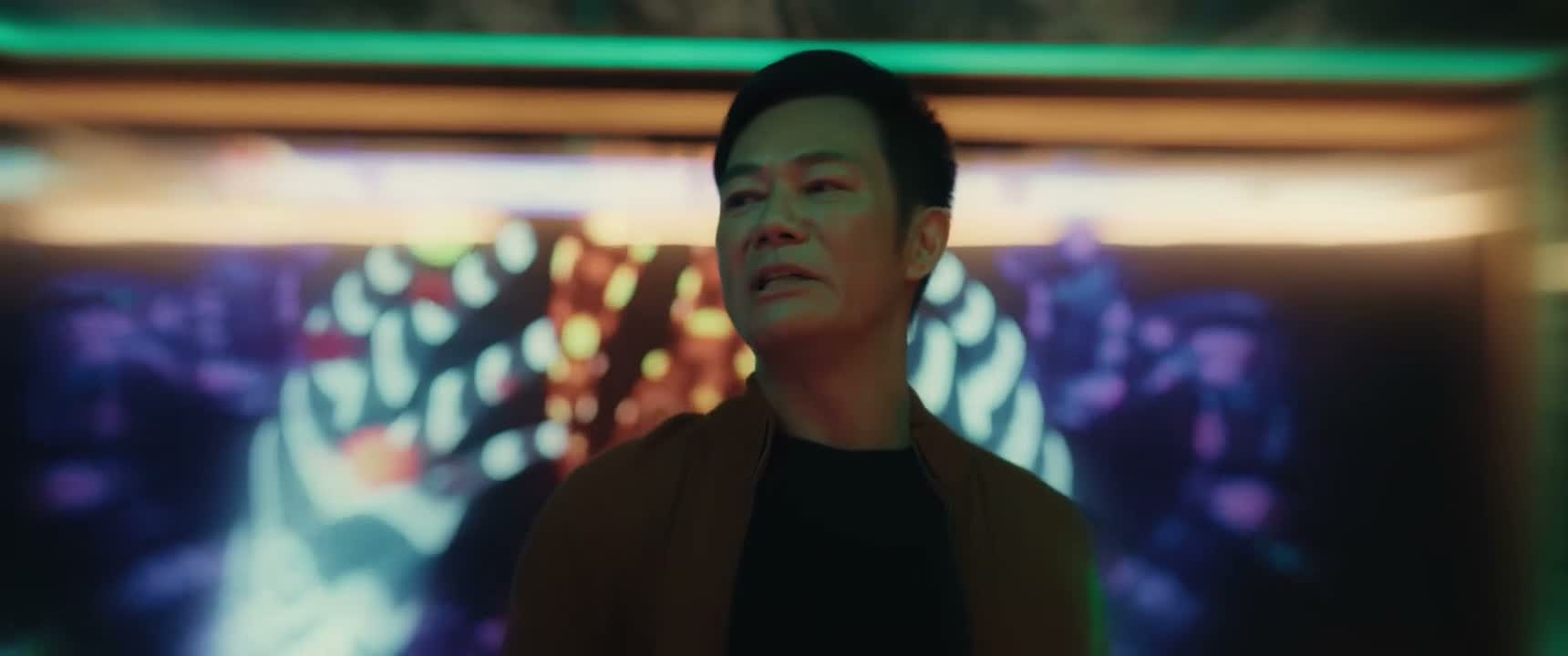
“Otherwise, how could he catch it?”

“Then what about picking me up?”

“Sorry I didn't come down to greet you.”
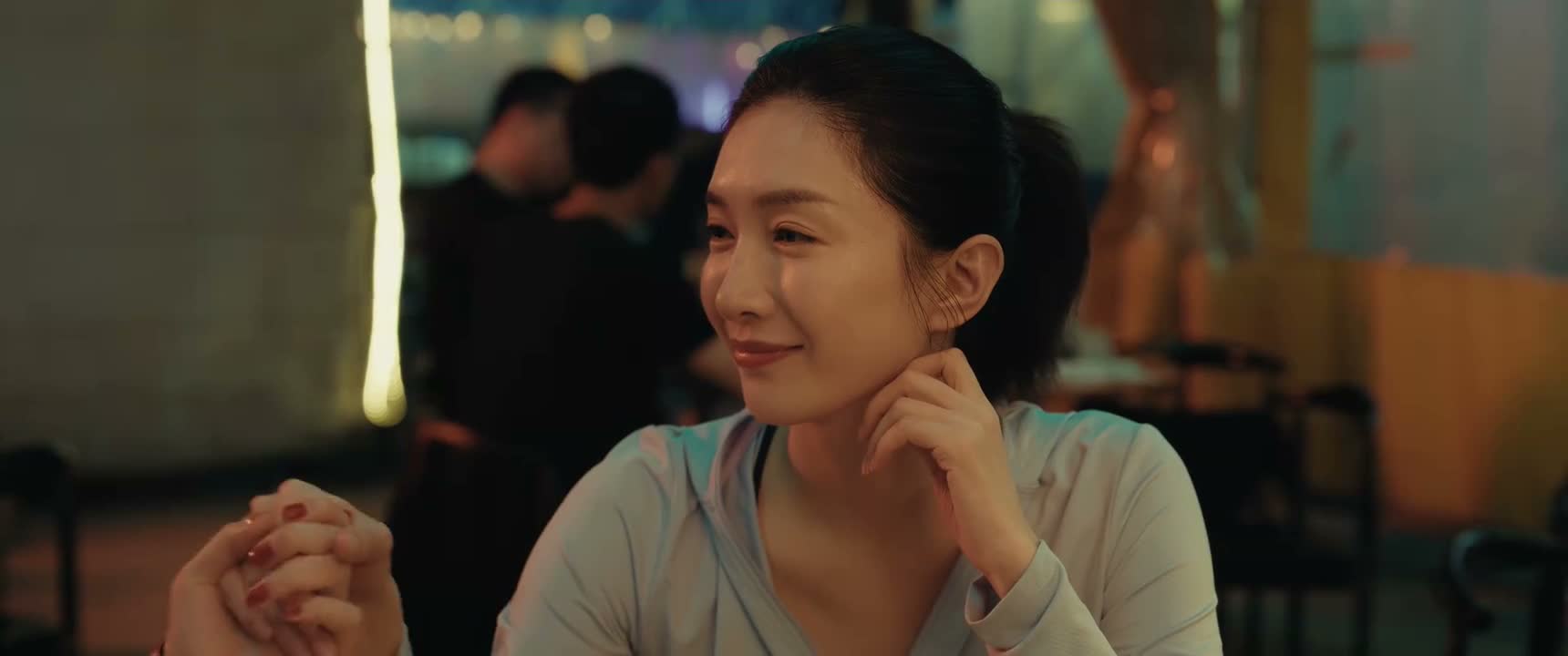
“and supported me with his hand.”