不然他怎么叫卫融呢
“Isn't that exactly why he's called Wei Rong?”
THE DIALOGUE REEL
“Your younger brother is something else.”
不然 他 怎么 叫卫融呢
“Isn't that exactly why he's called Wei Rong?”
卫融二字 取自我们卫家祖训融者贤达
“The character "Rong" in Wei Rong comes from our Wei family's ancestral teaching: "One who is Rong is virtuous and accomplished."”
“Of course he is extraordinary—his very name was chosen for greatness.”
In traditional Chinese culture, personal names carry ancestral expectations and moral ideals; fulfilling the meaning of one's name is viewed as a great virtue.
LEARNING CHUNKS & PARTICLES
Otherwise, why would he be called ...?
A rhetorical pattern used to argue that a person's name or reputation is completely justified.
Adds a rhetorical flair and pauses for listener affirmation at the end of the query.
VOCABULARY & EXPRESSIONS
Parallel Spoken Cinema Scenes (语义近邻切片)

“Wei Rong really got in.”

“I, Wei Rong, have caused you trouble. Not at all.”

“Perhaps we should just call you Mr. He.”

“I wouldn't deserve the surname Wei if I don't beat you up today!”
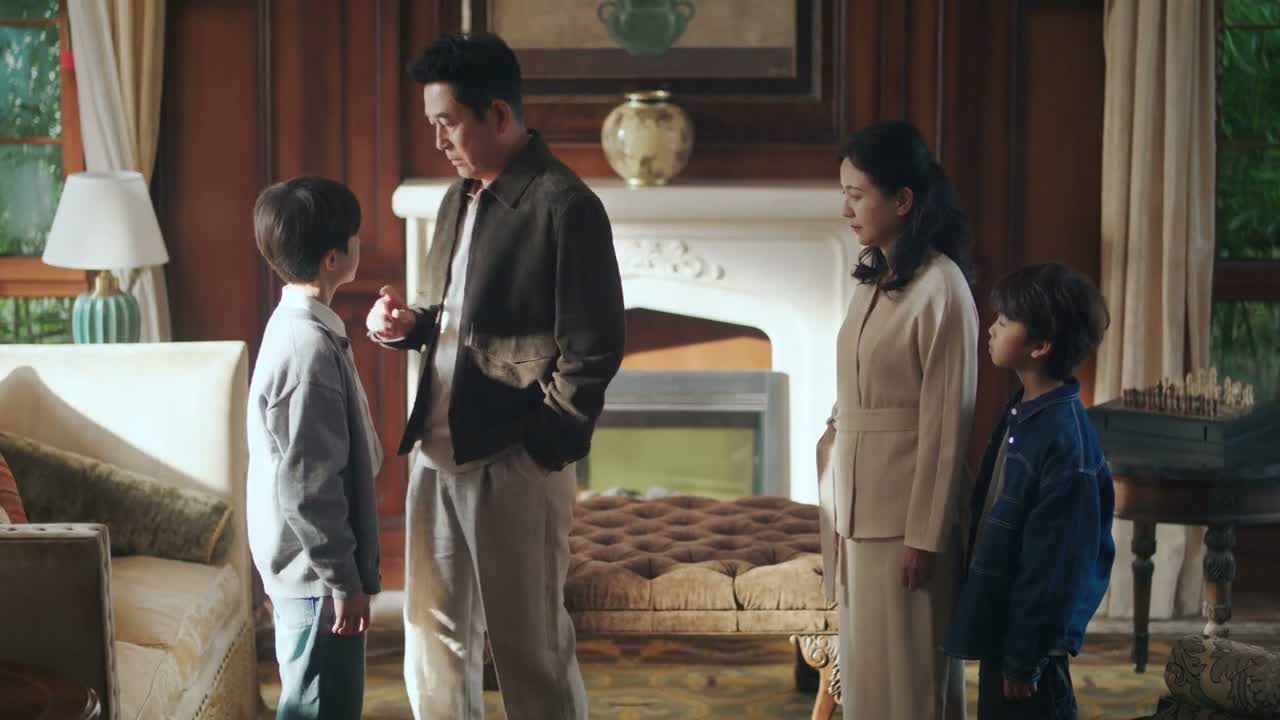
“Starting today, do not call him by his old name anymore”
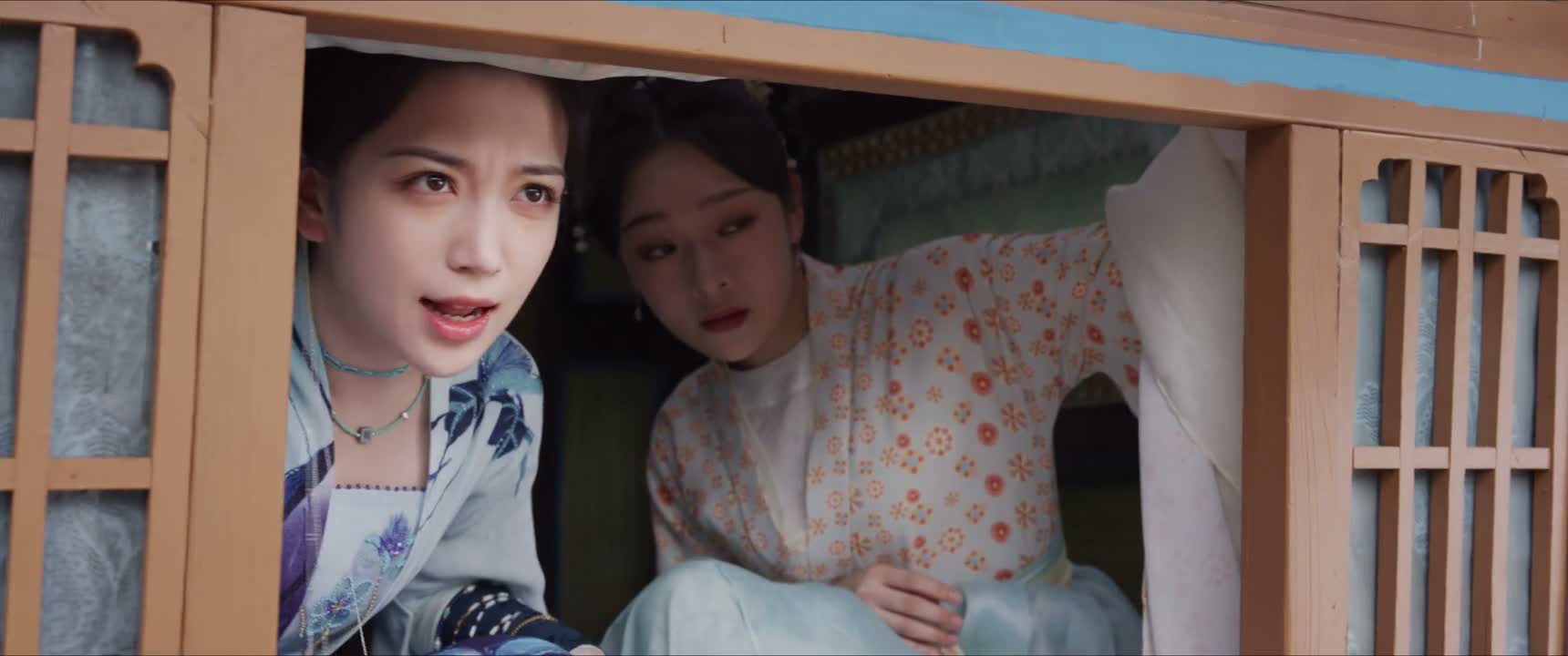
“Wei Rong, stop playing!”