你不好那不怪我呀
“If so, isn't it my fault?”
THE DIALOGUE REEL
要 要怪也该怪我 是我性格不好 我检讨
“I am the one that should be blamed. I have a bad temper. I should reflect on myself.”
你 不好 那 不怪我 呀
“If so, isn't it my fault?”
你妈走得早
“Your mom passed away early.”
Direct spoken expression in this communicative setting.
In close Chinese family dynamics, self-reflection by one member can sometimes trigger defensive denials from elders or peers attempting to avoid emotional liability.
LEARNING CHUNKS & PARTICLES
not my fault; don't blame me
A common colloquial phrase used to shirk blame or establish lack of responsibility.
Softens the assertion while adding an overtone of obviousness or mild exasperation.
VOCABULARY & EXPRESSIONS
Parallel Spoken Cinema Scenes (语义近邻切片)

“Instead of thanking me,”

“You... -I'm sorry. -It's OK.”
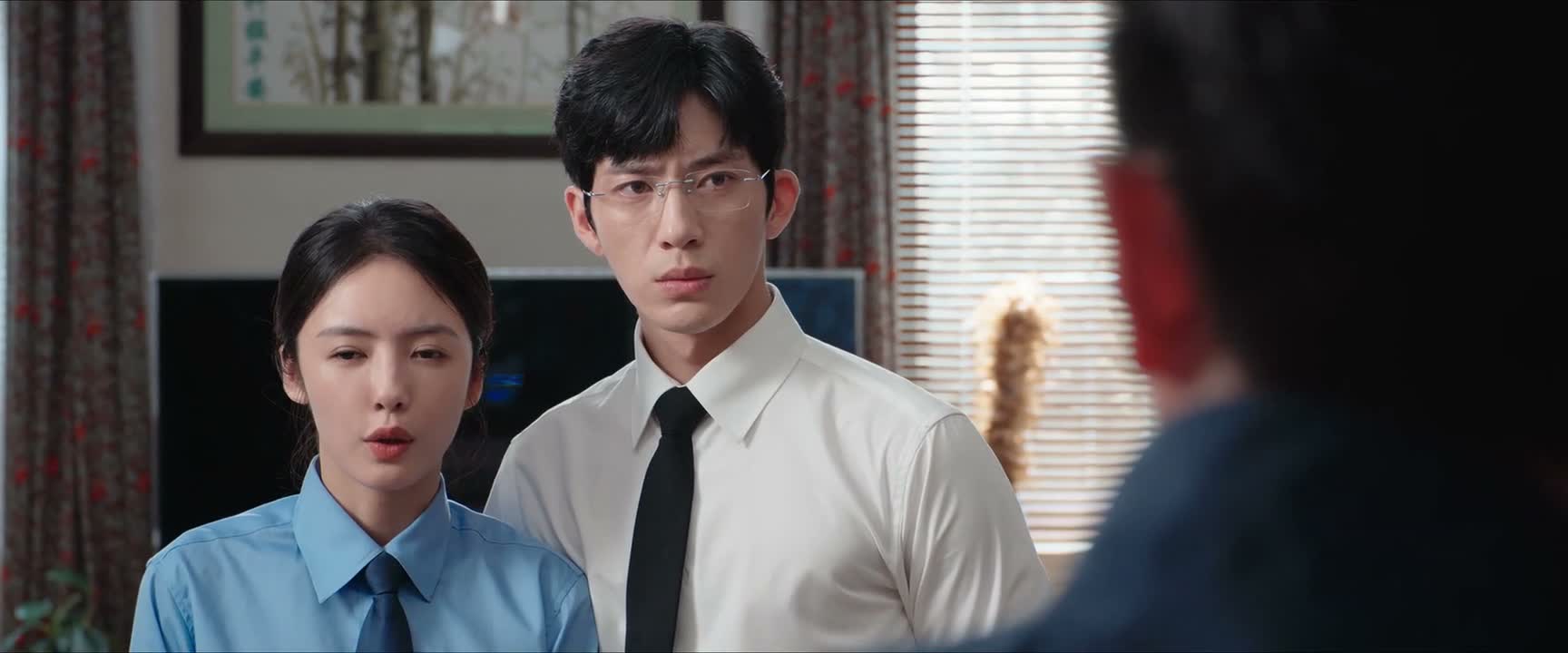
“It's my fault. My apologies.”

“It's all my fault. I'm sorry.”

“It's all my fault. It's all my fault.”

“I know I shouldn't blame you.”