再到外头 能开口说话不
“When you're out there, can you talk?”
THE DIALOGUE REEL
“Did you get what I said?”
再到外头 能 开口说话 不
“When you're out there, can you talk?”
“Come on, move. We're having meat today.”
“Don't embarrass me out there by staying silent like a mute; speak up!”
Chinese elders frequently coach younger kin before public encounters to ensure they appear well-mannered and outgoing, preserving family face.
LEARNING CHUNKS & PARTICLES
to open one's mouth and speak; to break silence
Commonly used when urging shy children or reticent people to talk or assert themselves.
go outside; when out in public
A colloquial northern expression referring to stepping out into society or outside the home.
Placed at the end of a question to form an abrupt or direct tag question confirming ability or willingness.
VOCABULARY & EXPRESSIONS
Parallel Spoken Cinema Scenes (语义近邻切片)

“She doesn't dare to talk now.”

“I wonder how things are outside.”
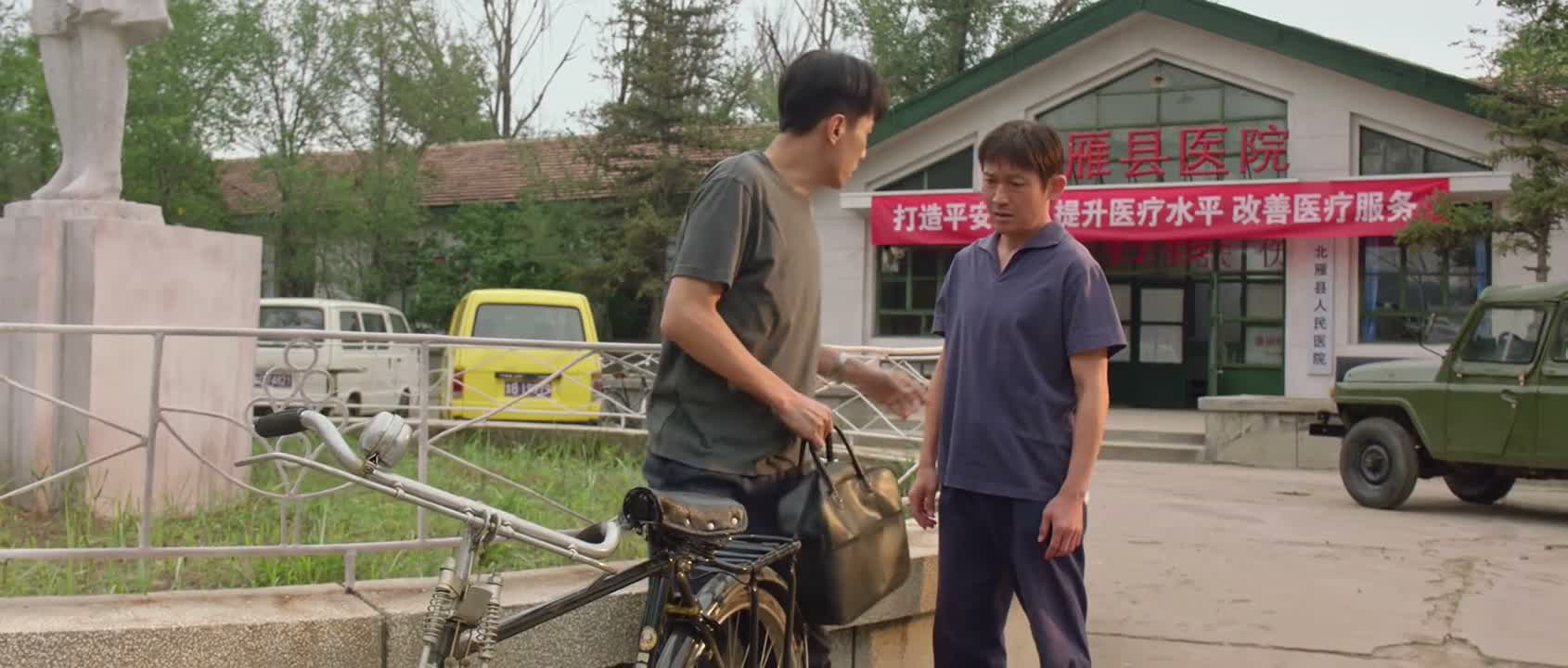
“Take good care of yourself out there.”

“possibly speak up?”

“If you want to talk about it, you'll tell me yourself.”

“Just outside. Where else could it be?”