刚刚吐槽这个设计的人是谁呀
“Who just criticized this design?”
THE DIALOGUE REEL
“I want to see the petals falling again.”
刚刚 吐槽 这个 设计 的人 是谁呀
“Who just criticized this design?”
这这这 这个
“Th-th-this one.”
“Who dared to criticize this design just now? Step forward.”
Even when asking about uncomfortable topics like negative critiques ('吐槽'), speakers often attach modal particles like '呀' to maintain surface politeness and avoid overt confrontation.
LEARNING CHUNKS & PARTICLES
to complain about; to roast; to poke fun at
A very popular modern slang term borrowed from anime culture, used universally in daily and professional settings for airing gripes.
who is it; who was that
A casual way to inquire about an identity, with '呀' softening the directness of the interrogation.
Softens the direct interrogative query, preventing it from sounding overly hostile or aggressive.
VOCABULARY & EXPRESSIONS
Parallel Spoken Cinema Scenes (语义近邻切片)

“Do you know there's a fatal flaw in your design?”

“You think my design isn't good enough?”
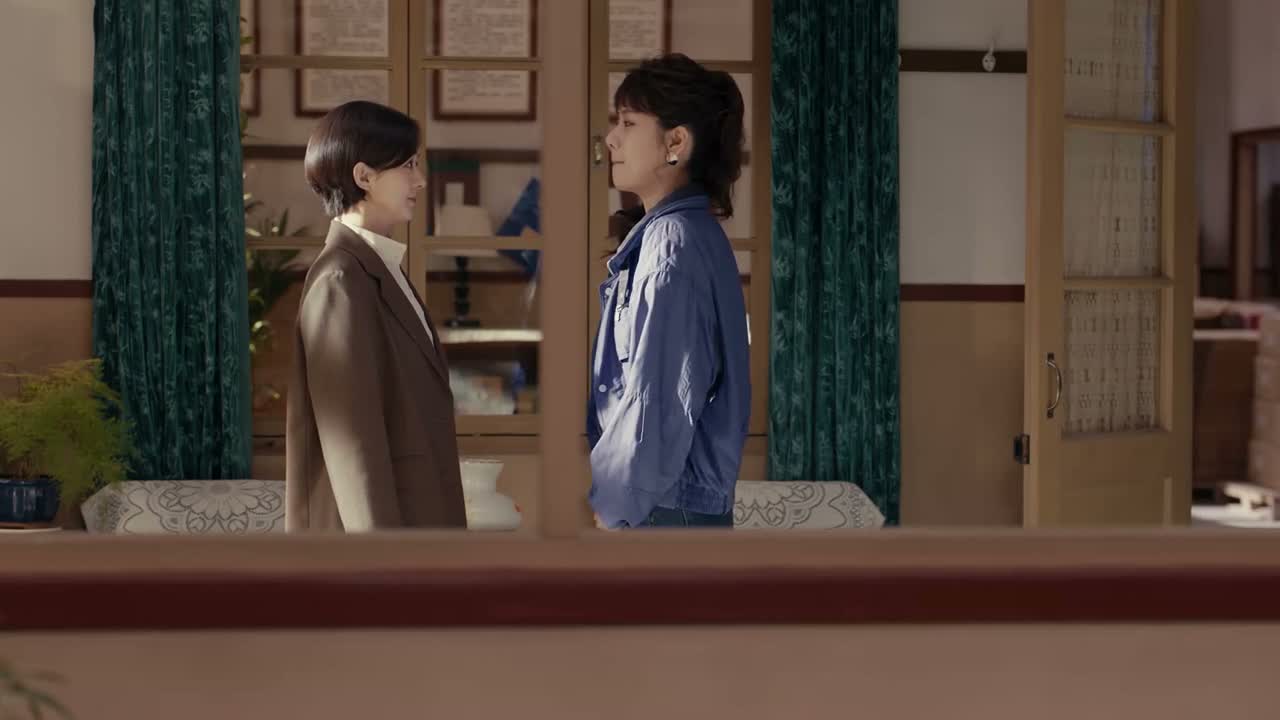
“You're the designer!”

“I've told you this design won't work. That's because of your lack of ability.”
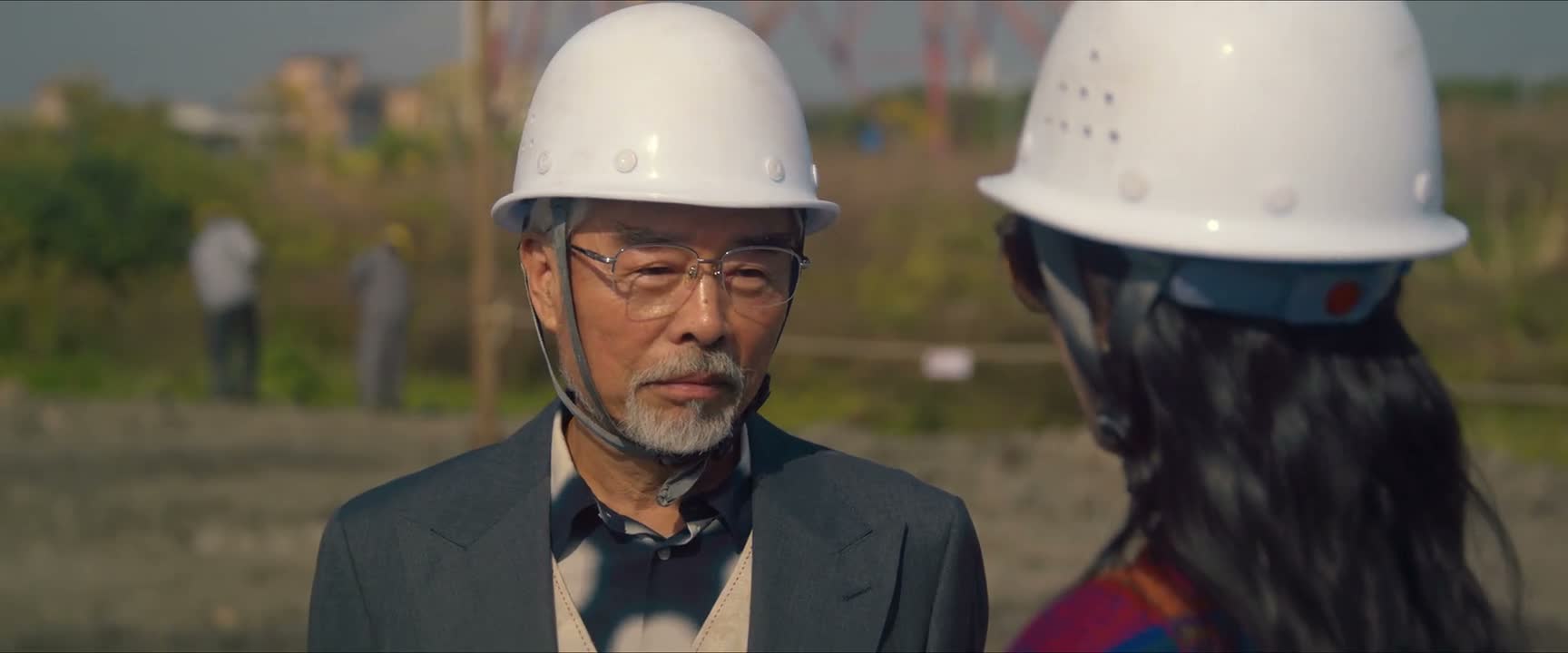
“for someone else to hire a rookie like me?”
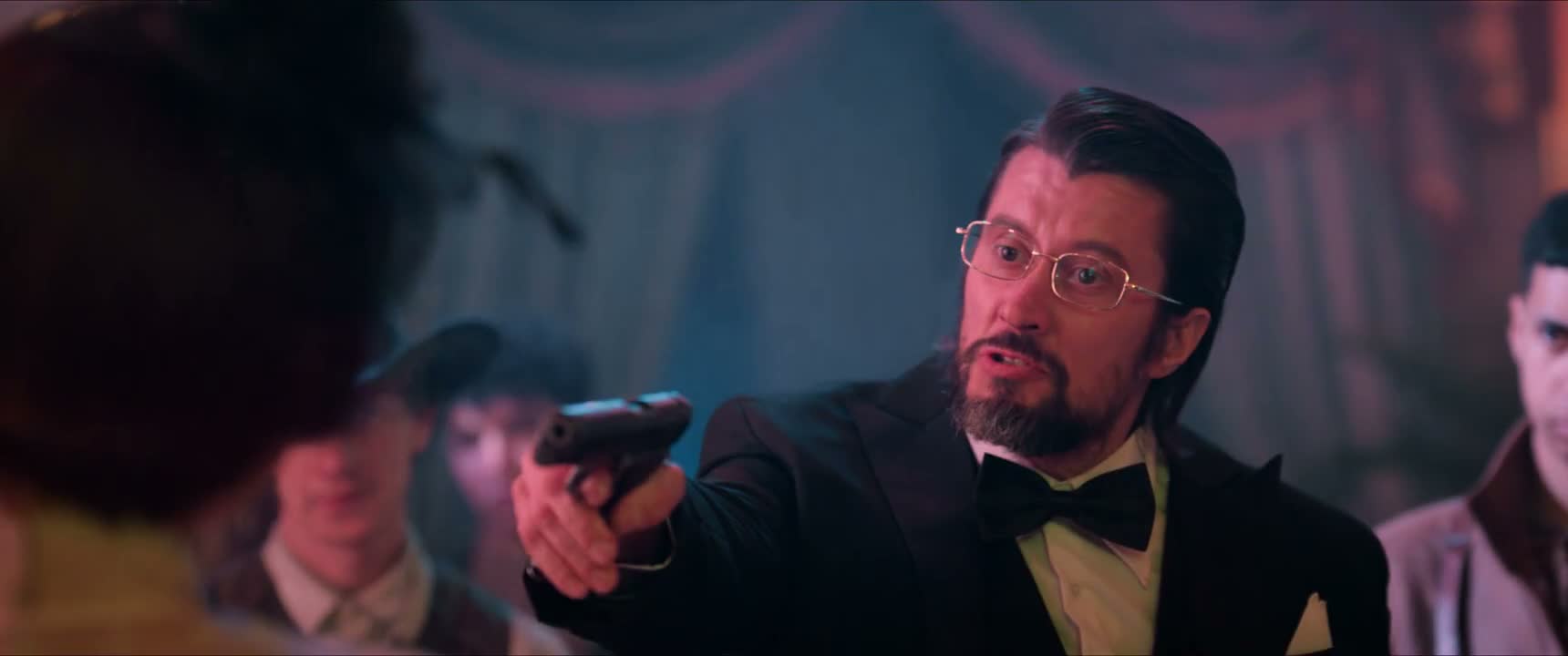
“You've tried to fool me.”