是谁说一个人可以的
“Who said she could do it alone?”
THE DIALOGUE REEL
当然
“Of course.”
是谁 说 一个人 可以 的
“Who said she could do it alone?”
“You claimed you did not need anyone, but look at you now needing me.”
In Chinese interpersonal interactions, close friends or romantic interests frequently use rhetorical questions and gentle mocking rather than direct compliments to express care and closeness.
LEARNING CHUNKS & PARTICLES
who said / who claimed that
A rhetorical phrase used to playfully or critically call out someone for contradicting their previous statements.
being fine on one's own / managing alone
Commonly used to describe handling a task, situation, or life without someone else's assistance.
Affirms certainty and completes the nominalized predicate, reinforcing the listener's stated claim.
VOCABULARY & EXPRESSIONS
Parallel Spoken Cinema Scenes (语义近邻切片)

“Someone else? Who?”

“Anyone else can say that about me,”
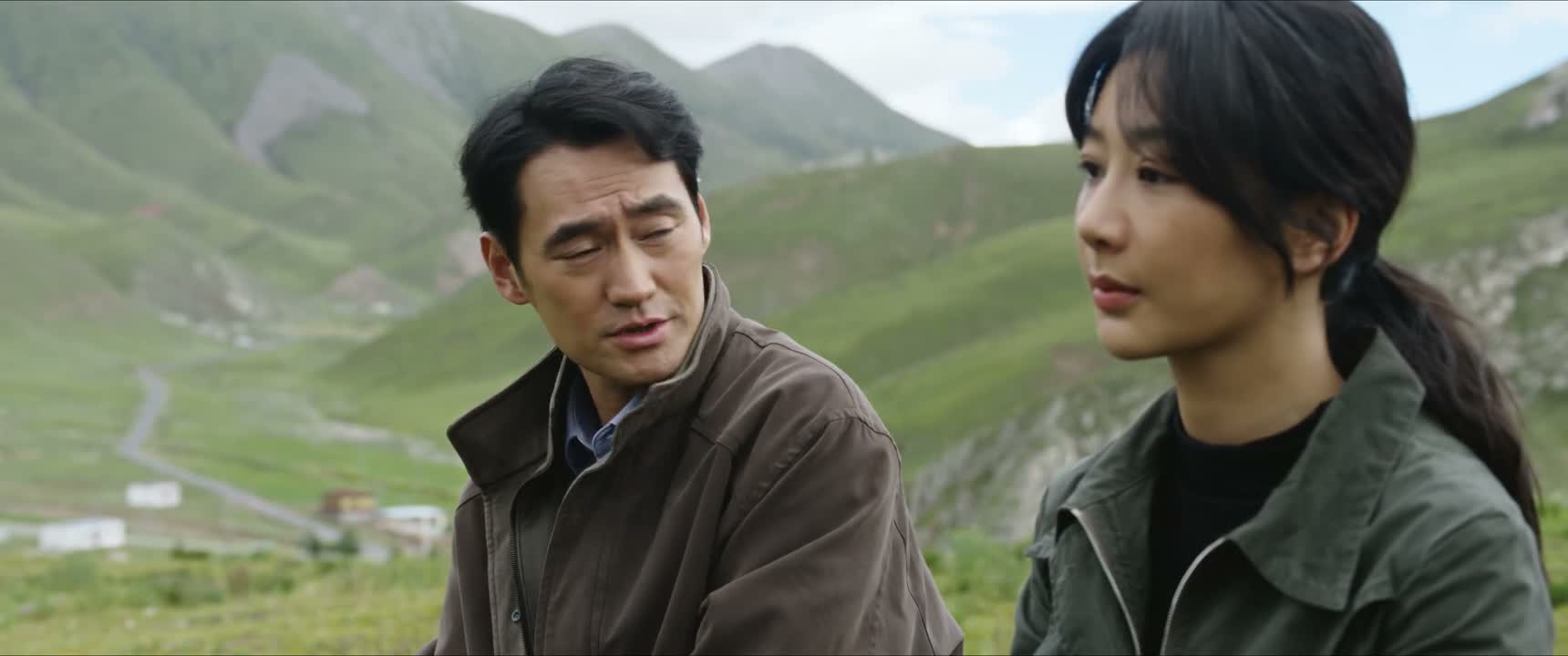
“This isn't something one person can decide.”
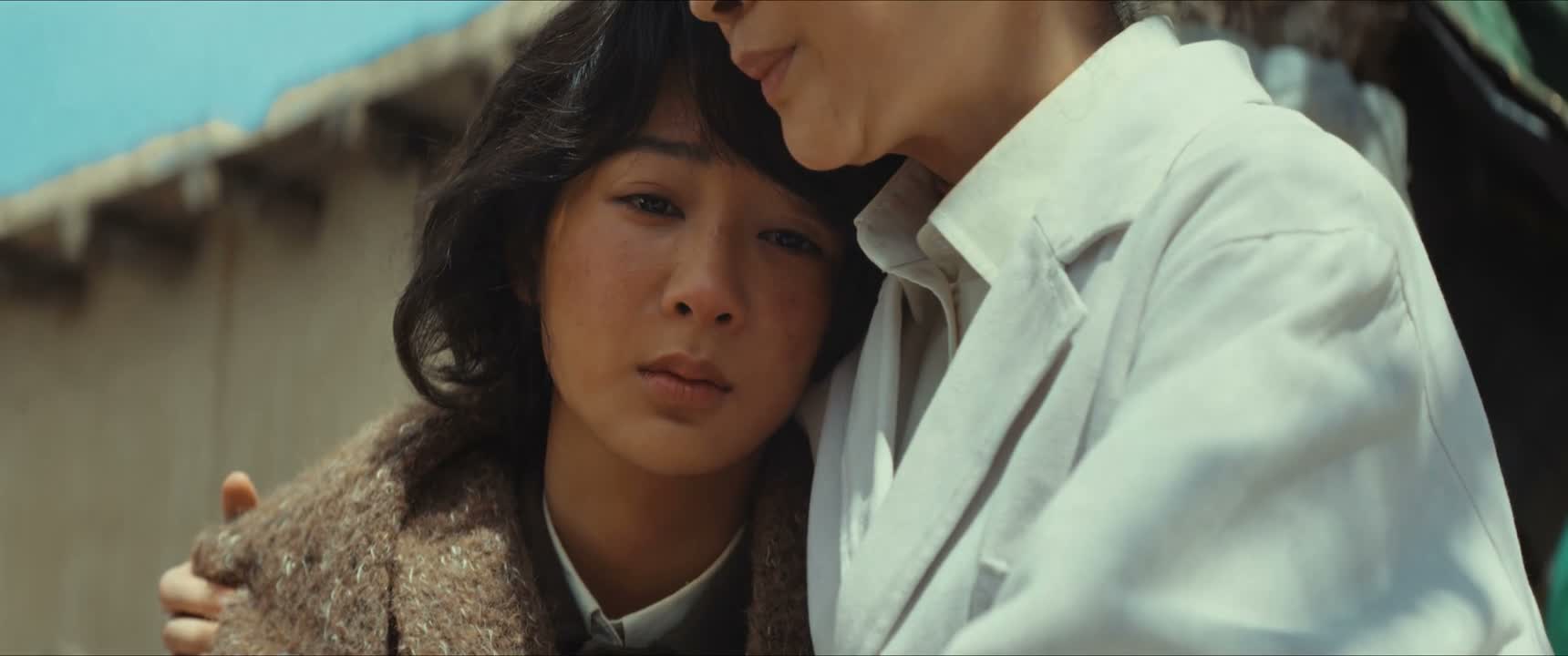
“No one else has a say.”

“Can he really say that in front of so many people?”

“Who told you that? It's all over the internet.”