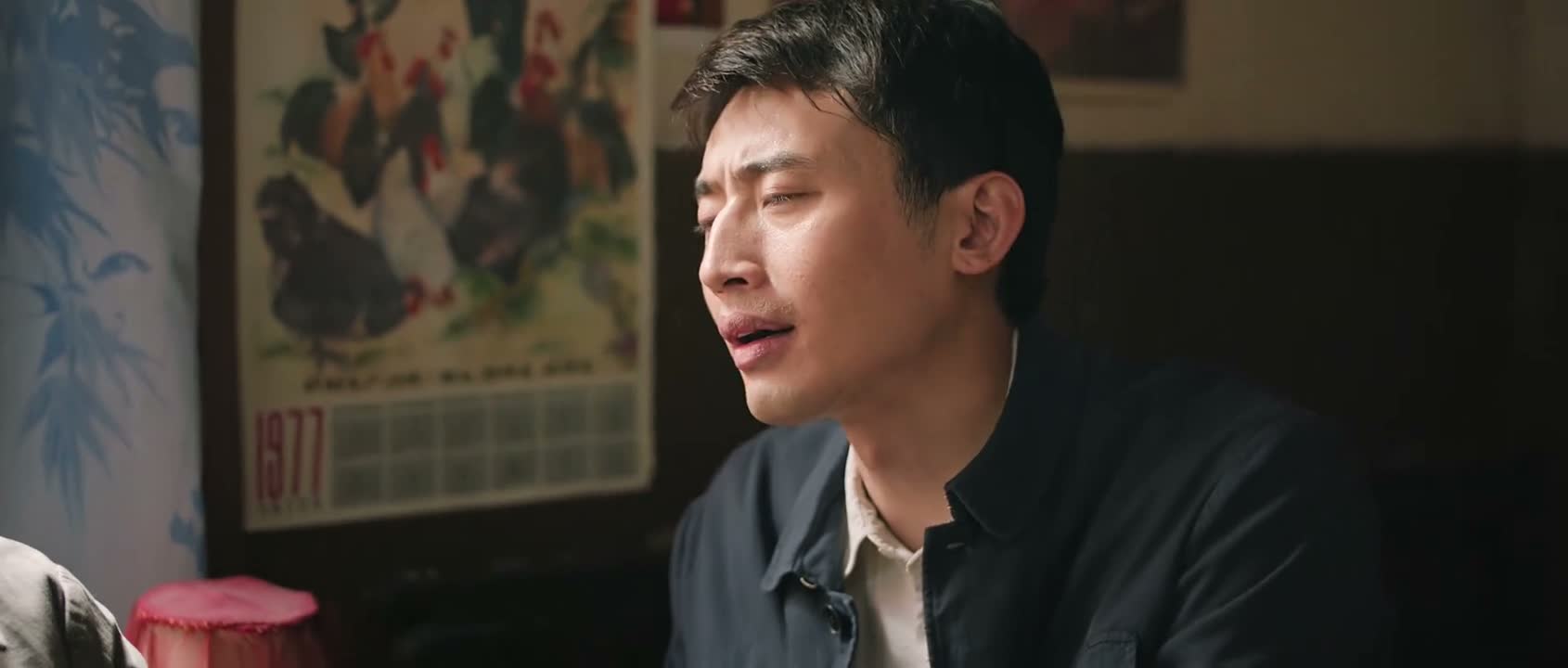
为了你们的亲儿子 舍不得掏钱是吧
“So you won't pay for your own son?”
THE DIALOGUE REEL
你妈是真没钱
“I don't have money.”
为了你 们的 亲儿子 舍不得掏钱 是吧
“So you won't pay for your own son?”
舍不得掏钱 为什么当初不把林梅 嫁给王腾达呀
“If you weren't going to pay, why didn't you marry Lin Mei off to Wang Tengda?”
“Stop pretending you don't have money; you just refuse to spend it on me.”
Chinese culture holds strong expectations that parents should exhaust their financial resources to support their children's life milestones, making withholding money a source of bitter reproach.
LEARNING CHUNKS & PARTICLES
unwilling to part with money; reluctant to pay
A vivid colloquial phrase depicting someone begrudging spending money.
biological son
Emphasizes biological kinship, often used rhetorically to question lack of paternal or maternal care.
Turns the statement into an aggressive rhetorical question expecting concession.
VOCABULARY & EXPRESSIONS
Parallel Spoken Cinema Scenes (语义近邻切片)

“Am I not your biological son?”

“That's my boy.”

“You invested in this project too. It's our baby.”

“Haven't you told your dad that your real dad came to see you?”

“but he's your own flesh and blood.”
“it's not that I'm eyeing your money. It's a rare opportunity.”