为什么每次都让你当英雄
“Why do you always play the hero?”
THE DIALOGUE REEL
我才是师姐
“I'm your senior.”
为什么每次都让你当英雄
“Why do you always play the hero?”
“Stop treating me like someone who needs saving—I want to protect you this time.”
In martial arts sects, an elder disciple (shijie) carries the moral responsibility to protect younger peers, leading to pride-driven conflicts over sacrifice.
LEARNING CHUNKS & PARTICLES
to play the hero / be a hero
Commonly used in spoken Chinese to criticize someone who takes all the glory or insists on acting self-sacrificingly.
every single time
An emphatic temporal phrase used to express frustration at a recurring pattern.
VOCABULARY & EXPRESSIONS
Parallel Spoken Cinema Scenes (语义近邻切片)

“How come it's always you, making a fuss over nothing?”
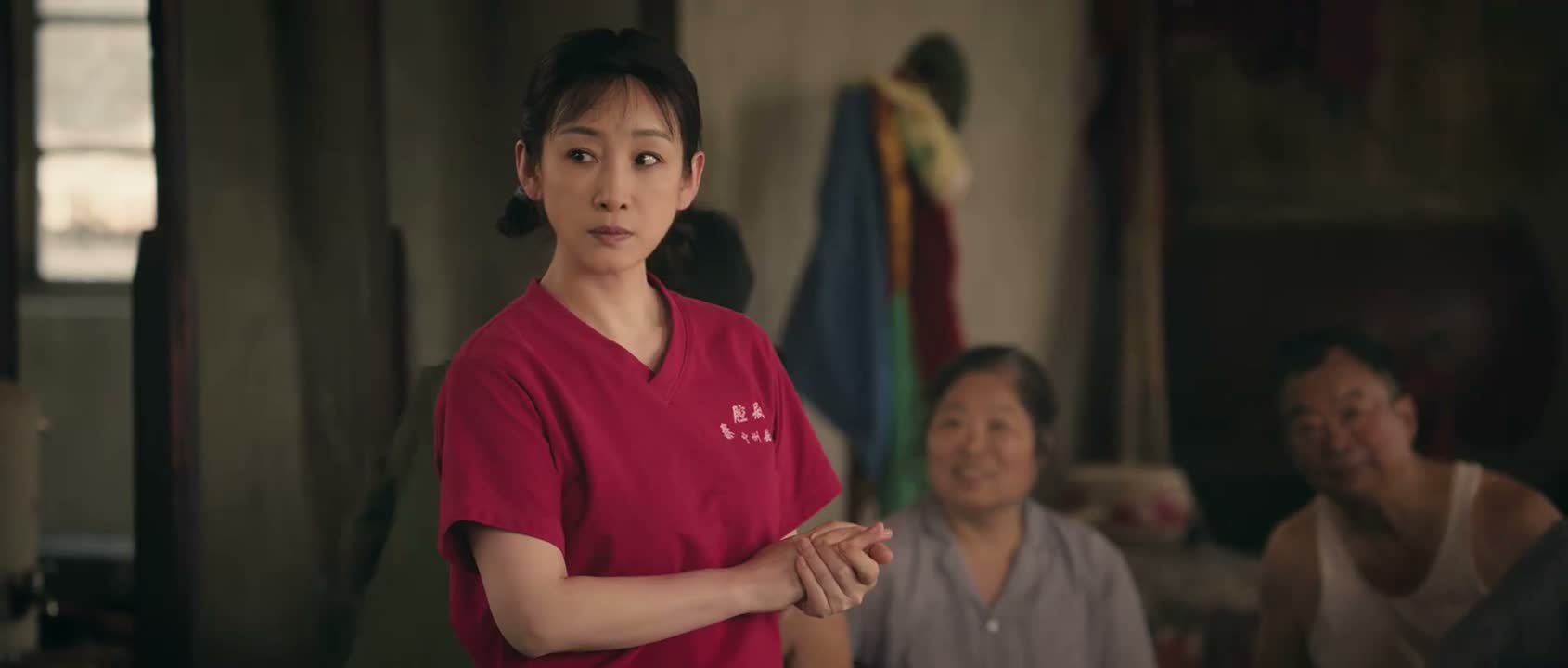
“Why? You've done this so many times.”

“How is my Praise of Heroes detached?”
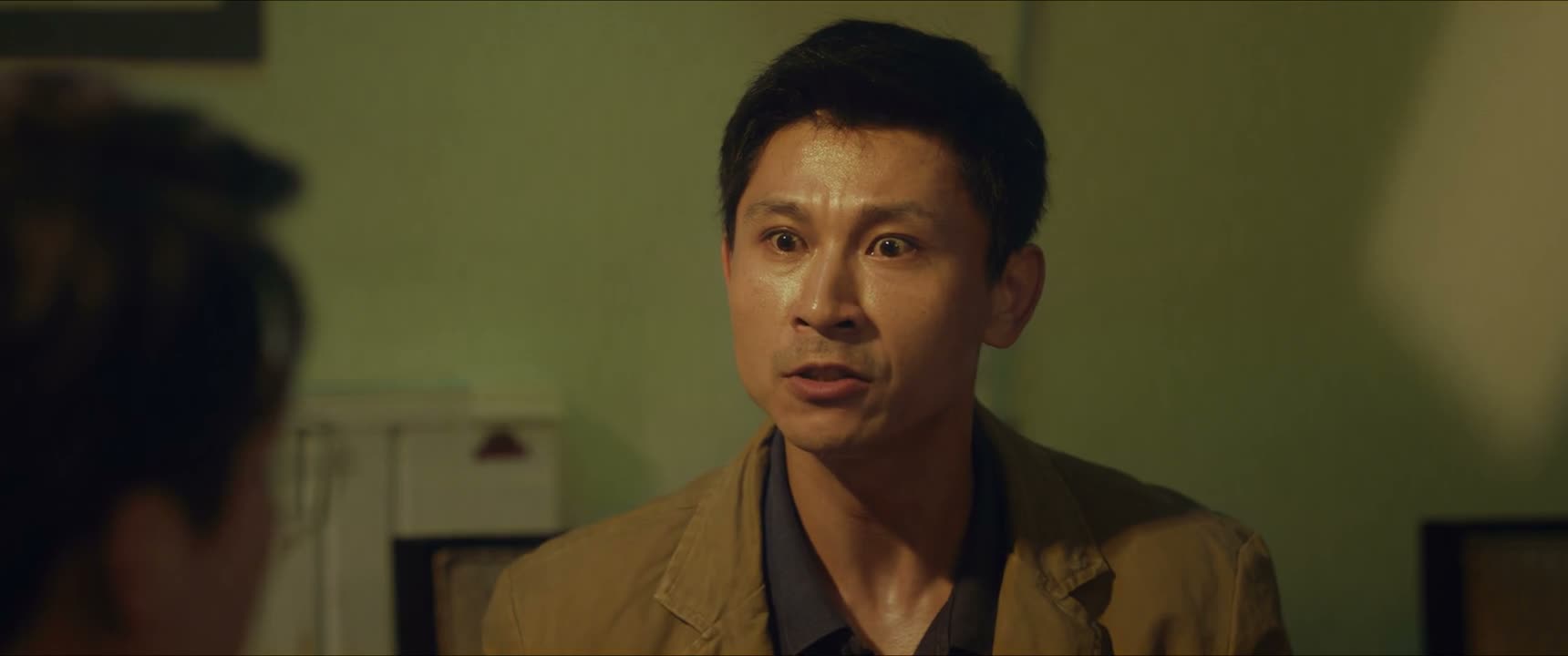
“so why am I the one getting this "honor" first?”