说实话 昨天晚上就不该听你的
“To be honest, I shouldn't have listened to you last night.”
THE DIALOGUE REEL
说实话 昨天晚上 就不该 听你的
“To be honest, I shouldn't have listened to you last night.”
“I went to the city in a hurry to report. But they told me”
“You gave me terrible advice, and now I'm paying the price for trusting your judgment.”
Using '说实话' softens the bluntness slightly, but openly stating 'I shouldn't have listened to you' indicates sufficient familiarity to dispense with excessive face-saving.
LEARNING CHUNKS & PARTICLES
to tell the truth / honestly
A discourse marker used to introduce a candid, blunt, or potentially uncomfortable opinion.
should not have listened to you
Expresses clear retrospective regret over following someone's advice or suggestion.
Used at the end of the clause to reinforce the speaker's firm conviction and retrospective judgment.
VOCABULARY & EXPRESSIONS
Parallel Spoken Cinema Scenes (语义近邻切片)

“From now on, don't listen to what you shouldn't hear,”
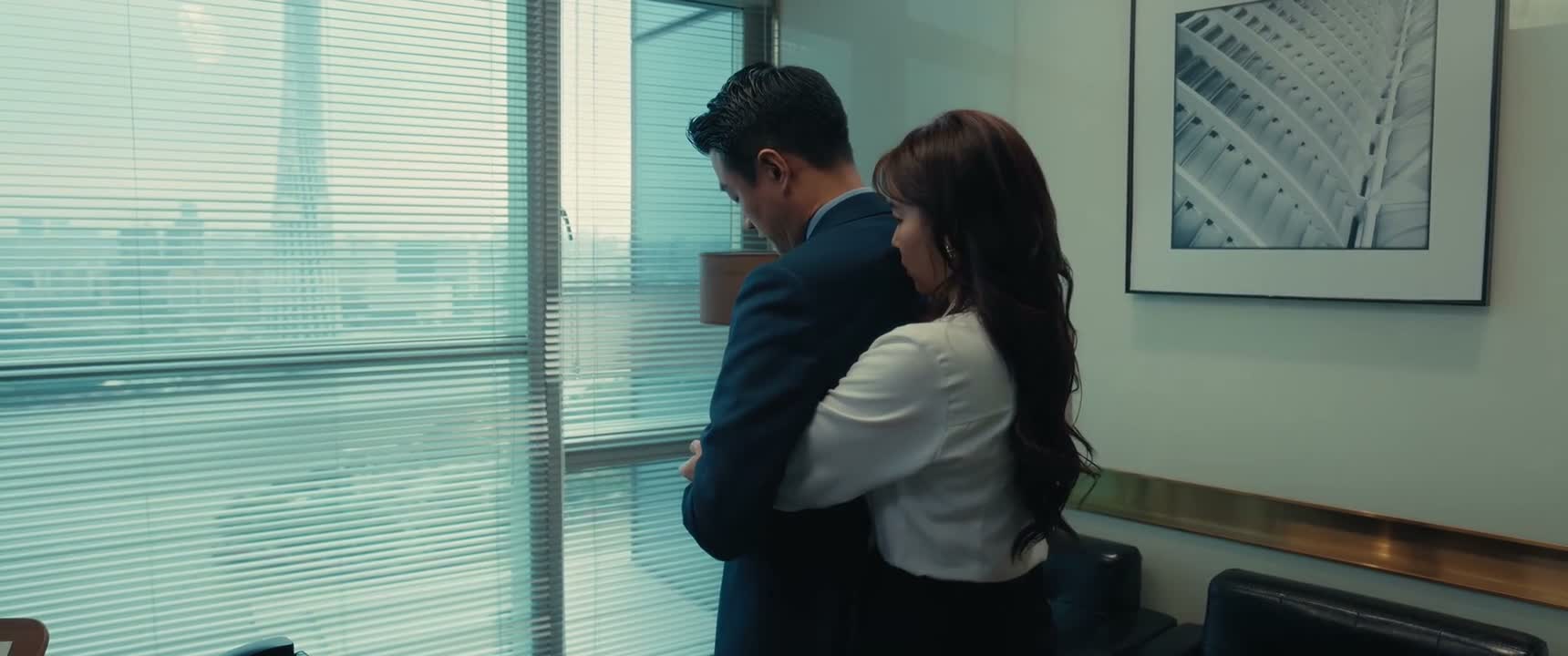
“I shouldn't have acted on my own.”

“there is nothing you are not allowed to hear.”
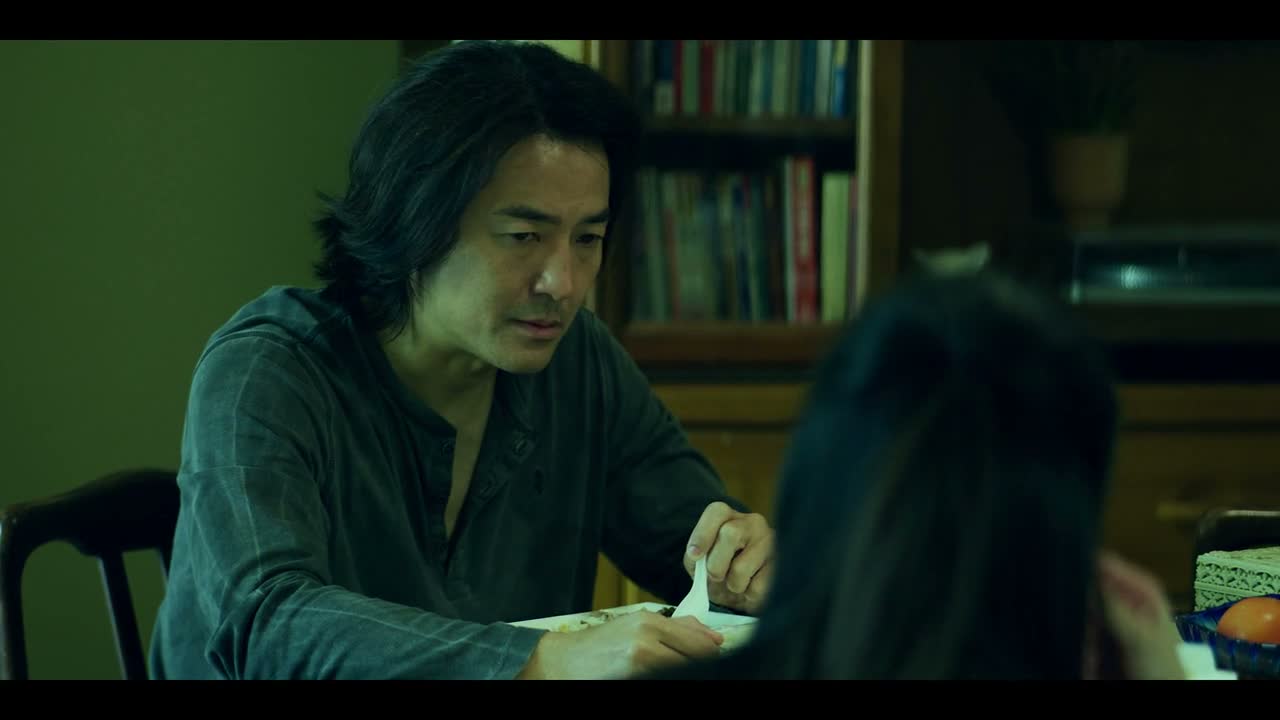
“Do you have to listen to it while we're eating?”

“I really should have listened to you yesterday and gone straight to Yuanlongli.”
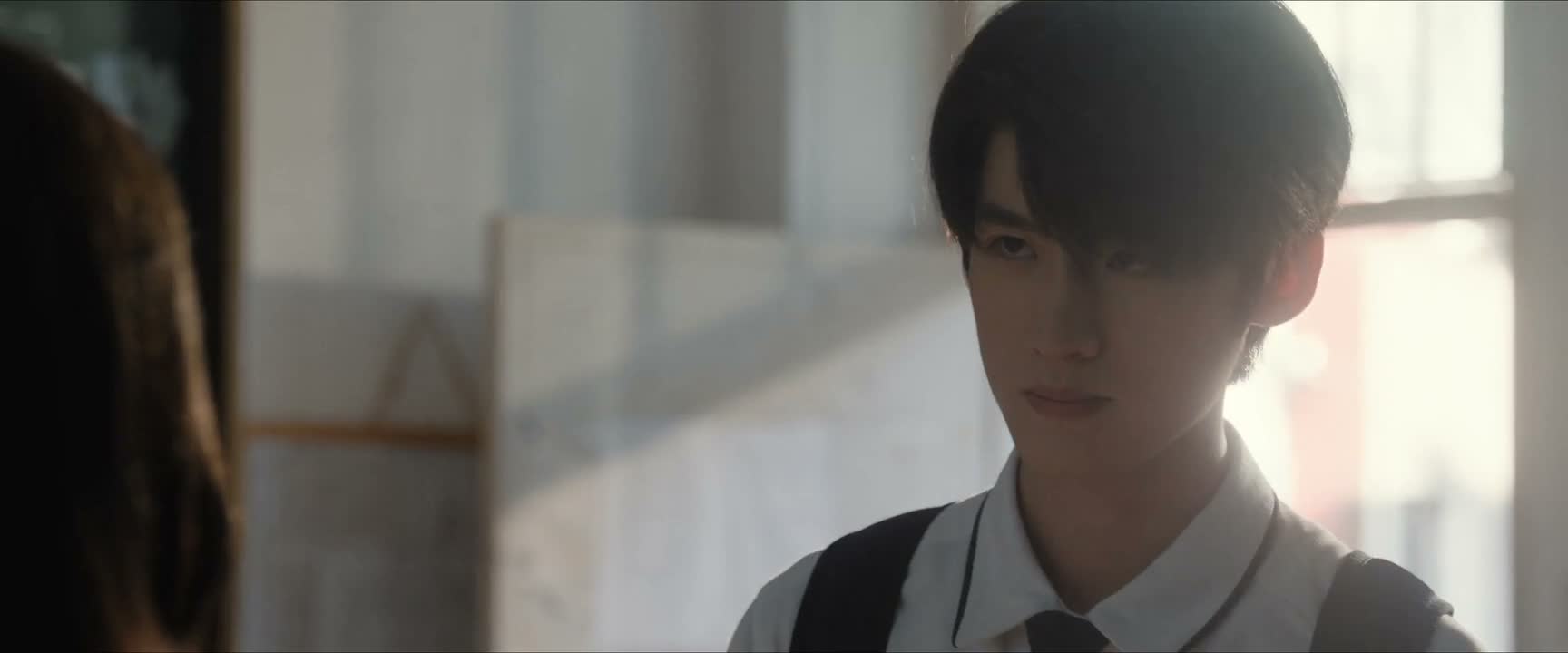
“Why should I listen to you?”