羞于启齿 和解为上呢
“"too shameful to speak of" and "settle it"?”
THE DIALOGUE REEL
它就变成了家事私事
“it becomes "private business",”
羞于启齿 和解 为上 呢
“"too shameful to speak of" and "settle it"?”
她们只是想争取
“They're only fighting for”
“Why should victims be forced to stay silent and swallow injustice just to preserve superficial peace?”
Traditional culture values 'family harmony' and resolving disputes privately to prevent shame, but modern discourse increasingly challenges this when it silences legitimate grievances.
LEARNING CHUNKS & PARTICLES
too embarrassed to mention / feeling ashamed to talk about
A formal idiom (chengyu) describing taboo or painfully awkward subjects that people hesitate to speak aloud.
prioritizing reconciliation / harmony above all else
A classical four-character structure commonly used in formal or legal discourse regarding conflict mediation.
Softens the rhetorical question while challenging the underlying assumption and prompting reflection.
VOCABULARY & EXPRESSIONS
Parallel Spoken Cinema Scenes (语义近邻切片)

“something you're ashamed to even speak of?”

“can never speak honestly to each other.”

“Being shy about money isn't actually a good habit.”
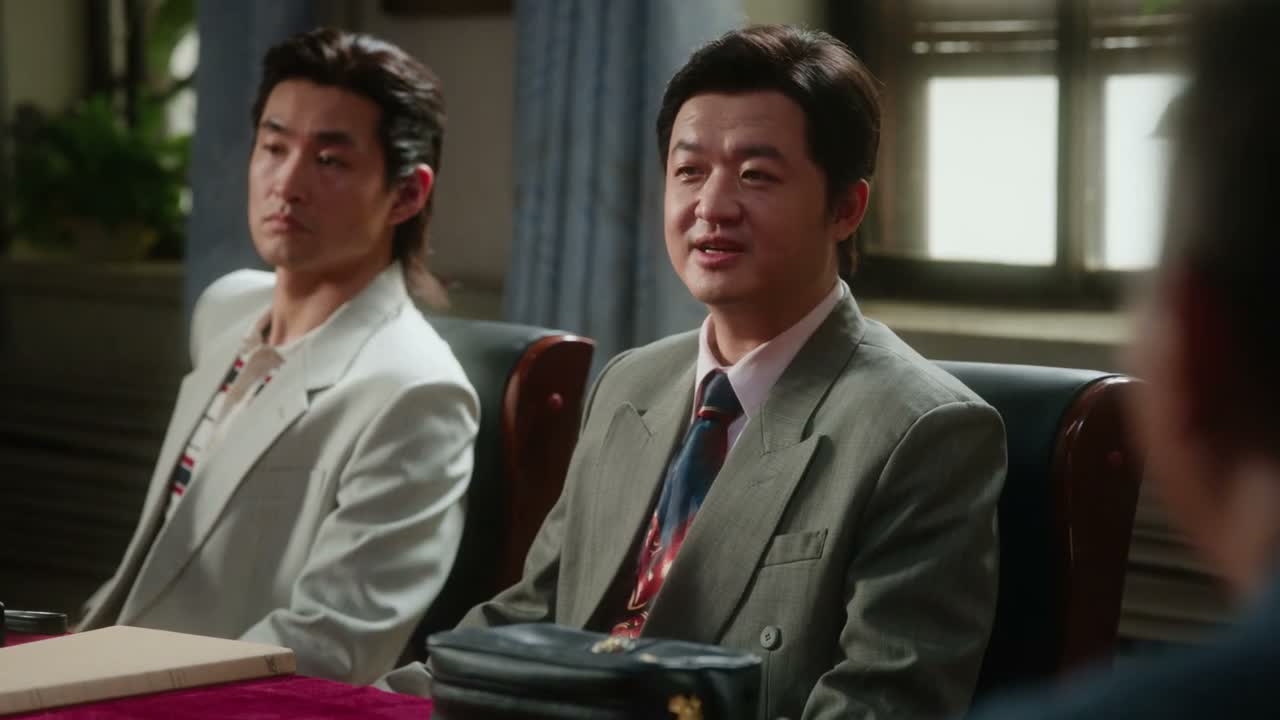
“Everyone is encouraged”

“Too embarrassed to bring it up? It's easy.”

“to be honest with each other?”